VICE Special Report: Fixing the System
2015
No user ratings available yet
Diversity score: 6.1 out of 10
2014
RDirector
Marc Levin
Runtime
103 minutes
Average Rating
No ratings yetSynopsis
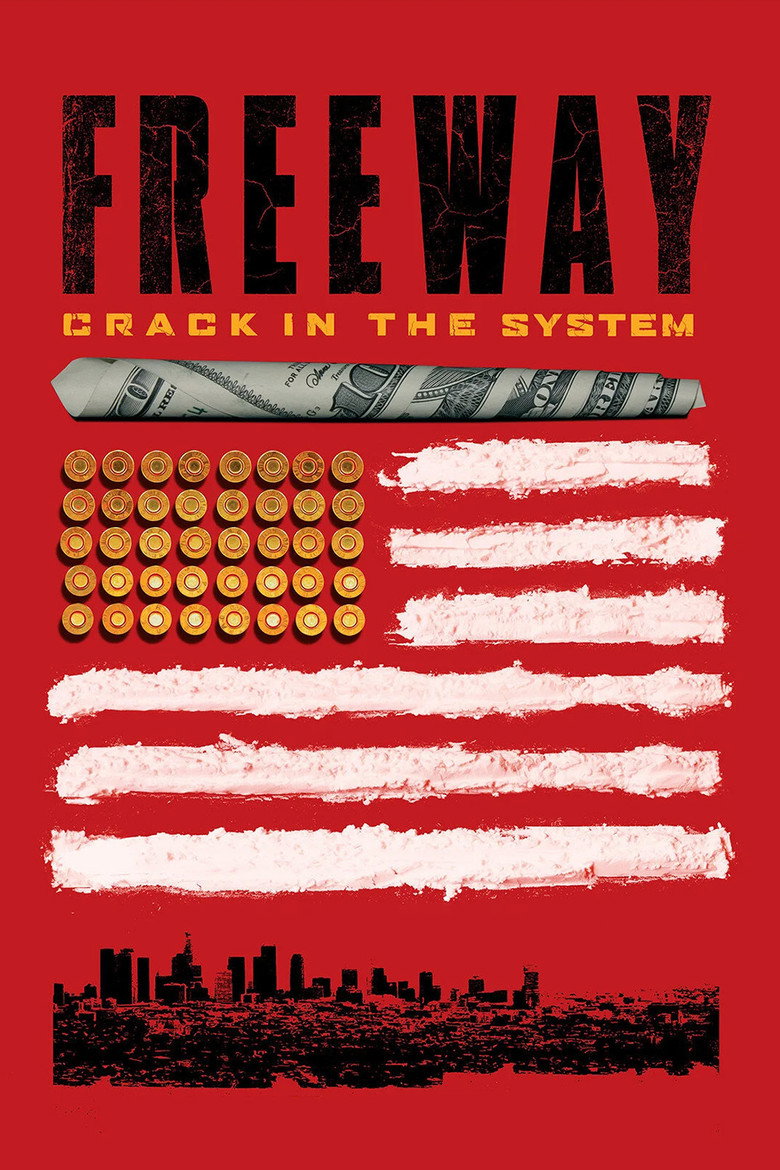
FREEWAY: CRACK IN THE SYSTEM tells the story of broken dreams, drug dealers, dirty cops, and government complicity—more compelling than fiction, it’s the real story behind America’s longest war. This documentary by award-winning filmmaker Marc Levin (SLAM, Mr. Untouchable, Brick City) exposes how the infiltration of crack cocaine destroyed inner-city neighborhoods across the country. At the center of it all is the rise, fall and redemption of Freeway Rick Ross, a street hustler who became the King of Crack, and journalist Gary Webb, who broke the story of the CIA’s complicity in the drug war. Featuring exclusive interviews with Freeway Rick Ross, not to be confused with the rapper who took his name Pulitzer Prize winning journalist Gary Webb, his source Coral Baca, and wife Susan Webb former Los Angeles Deputy Sheriff Roberto Juarez drug trafficker Julio Zavala and many more.
Overall Score
Good
Category Breakdown
LGBTQ+ Representation
The documentary does not center on LGBTQ+ identities or narratives. The focus remains strictly on the socioeconomic and racial implications of the drug epidemic.
Gender Representation
The narrative is heavily driven by male figures like Rick Ross and Gary Webb. However, the inclusion of Coral Baca and Susan Webb provides essential perspectives that disrupt a purely patriarchal view.
Racial & Ethnic Diversity
The narrative is built upon the lived experiences of Black and Latino communities. It centers the agency of individuals from these communities as both victims and primary actors.
Religious & Cultural Diversity
The film functions as a profound critique of Western institutions and the American legal system. It highlights alleged state complicity in the destabilization of inner-city neighborhoods.
Disability Representation
The film touches upon psychological and social trauma resulting from the crack epidemic. It does not explicitly center on neurodivergence or physical disabilities as primary narrative drivers.
Strengths
Areas for Improvement
AI Analysis
Marc Levin delivers a sophisticated documentary that disrupts conventional criminal justice narratives. By centering racialized experiences and critiquing institutional power, the film moves beyond simple moral crusades to examine systemic phenomena. The work excels in its portrayal of Black and Latino communities, framing the War on Drugs through the lens of those disproportionately targeted. This approach effectively challenges the legitimacy of state authority and capitalist structures. While the film provides a nuanced examination of institutional complicity, it lacks specific focus on LGBTQ+ identities or individual physical disabilities. The narrative remains primarily focused on socioeconomic and systemic impacts.
2015
2012
2017
2014

2017
2018
2012

2010
2021

2016
2011
2012
No reviews yet. Be the first to share your thoughts on this movie!
Use the rating form above to leave a star rating and optional review.