
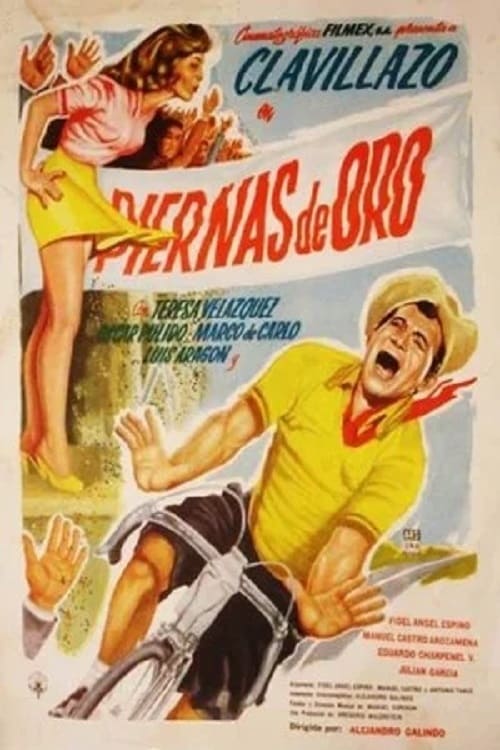
Las golfas del talón
1979
No user ratings available yet
Representation score: 0.8 out of 10
Representation Score
Good
1957
Director
Alejandro Galindo
Runtime
92 minutes
Average Rating
No ratings yetNew Showbiz Analysis
Alejandro Galindo’s work offers a meaningful alternative to Hollywood’s social structures by focusing on Mexican class dynamics and social mobility. The film critiques the performative nature of status and the tension between tradition and modernity. However, the film is heavily influenced by the social norms of 1957. It lacks explicit markers of diversity, especially concerning LGBTQ+ identities and disability representation, which remain largely absent or stereotypical. Ultimately, while the film provides a specific cultural perspective on social stratification, it adheres to the conventional gender and ethnic hierarchies of its time.
Category Breakdown
The film does not include explicit representations of LGBTQ+ identities or stories involving non-straight relationships. In the context of 1957 cinema, there are no clear depictions of diverse sexual orientations or gender identities.
The film likely follows traditional gender roles of the time. Female characters might highlight tensions around domestic life and social aspirations, but they do not challenge these roles in a modern way.
The film focuses on a non-Anglo-Saxon cast and perspective, providing a localized look at social dynamics. However, the representation reflects the social hierarchies of the era rather than a blend of modern diversity.
The narrative shifts away from Western-centric morality by focusing on Mexican social realities. It uses social realism to criticize the corrupting influence of wealth and the instability of class structures.
There is no evidence of characters with disabilities having significant roles in the story. Their representation seems limited to typical period stereotypes.
Present on Screen
Limited or Absent
1979
1957
1981
1974
1977
1962
1978
1963
No reviews yet. Be the first to share your thoughts on this movie!
Use the rating form above to leave a star rating and optional review.