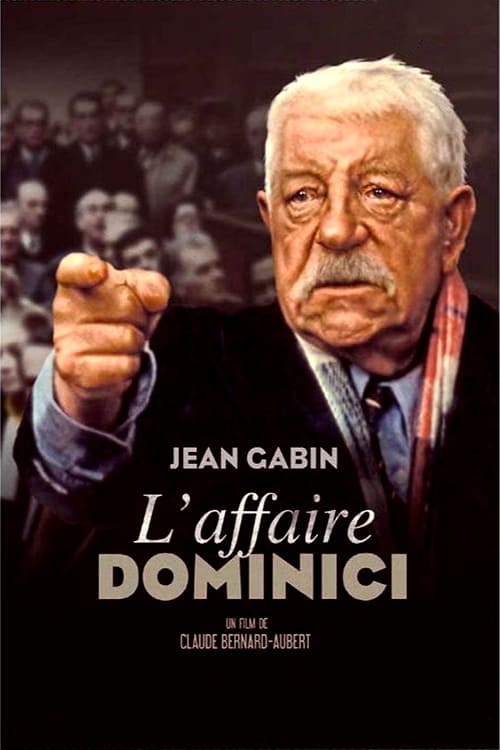
The Dominici Affair
1973
No user ratings available yet
Representation score: 1.5 out of 10
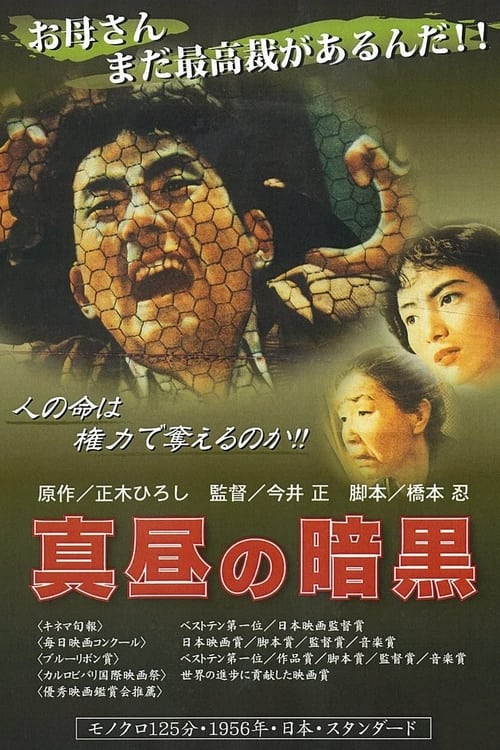
Representation Score
Limited
1956
Director
Tadashi Imai
Runtime
122 minutes
Average Rating
No ratings yetNew Showbiz Analysis
Darkness at Noon is a stark, male-dominated study of systemic oppression. It uses unconventional casting to challenge historical realism, providing a unique perspective on a Soviet political narrative through a Japanese lens. However, the film lacks diversity in terms of gender and sexual identity. The narrative is almost exclusively concerned with the friction between the individual and the state, leaving little room for broader social representation. Ultimately, the film's strength lies in its cultural critique of totalitarianism, even as it remains narrow in its character demographics.
Category Breakdown
The film does not include any queer identities or subtext. It focuses solely on masculine political dynamics and state authority.
Women are largely absent from the central political conflict. The story is driven by a male-centric hierarchy of protagonists and antagonists.
A Japanese cast portrays characters in a Soviet setting, challenging traditional notions of racial authenticity. This disrupts expectations of ethnic homogeneity.
The film critiques state-run institutions and centralized power, framing the struggle as a conflict between personal morality and systemic oppression.
Psychological anguish is used as a thematic element of interrogation rather than a representation of disability. No characters with disabilities are given real roles.
Present on Screen
Limited or Absent
Official Synopsis
Police beat a murder confession out of four innocent men who are then sentenced to death. Based on a true story.
1973
1979
1966

1958
1955
1948

1962
1947
No reviews yet. Be the first to share your thoughts on this movie!
Use the rating form above to leave a star rating and optional review.