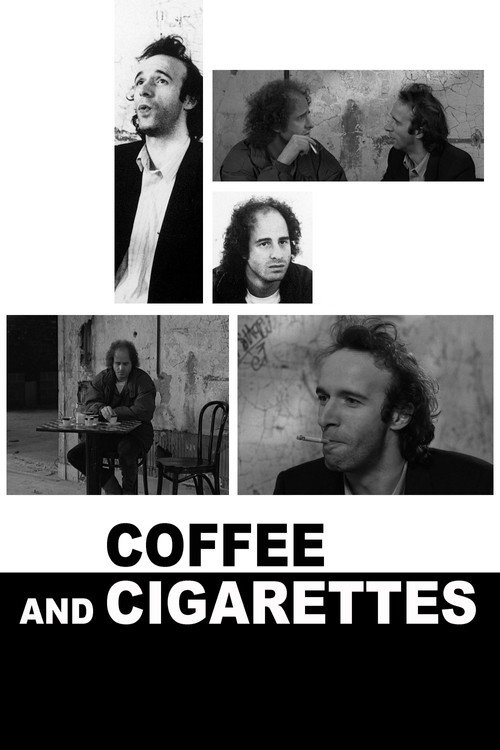
Coffee and Cigarettes
1987
No user ratings available yet
Representation score: 7.8 out of 10
Representation Score
Good
1989
Director
Jim Jarmusch
Runtime
8 minutes
Average Rating
No ratings yetNew Showbiz Analysis
Jim Jarmusch’s work examines human interactions using a fragmented structure that challenges traditional cinematic norms. The film excels in its visual style and casting, featuring a diverse, international cast that avoids the homogeneity typical of its time. However, the film doesn’t explicitly advocate for identity-based issues. While it disrupts traditional gender roles through vulnerability and conflict, it lacks deeper engagement with LGBTQ identities or meaningful disability representation. Characters’ quirks contribute to the film’s surreal texture without specific explorations of lived experiences.
Category Breakdown
The film focuses on everyday social interactions and conversations. It doesn't include explicit LGBTQ narratives or stories that challenge the assumption that everyone is straight or cisgender.
Gender roles are shown through social awkwardness and conflict between characters. However, female characters don't have storylines where they take charge, which limits the exploration of gender.
The film features a diverse, international cast that reflects a global, urban setting. It avoids including characters just to meet diversity quotas by focusing on a mix of ethnic backgrounds.
The story emphasizes personal experiences and ironic situations rather than broad moral lessons. It celebrates a bohemian lifestyle and the rituals of social gatherings.
The film explores themes of social oddity and communication breakdowns. However, it doesn’t show characters with visible or invisible disabilities who take control of their lives.
Present on Screen
Limited or Absent
Official Synopsis
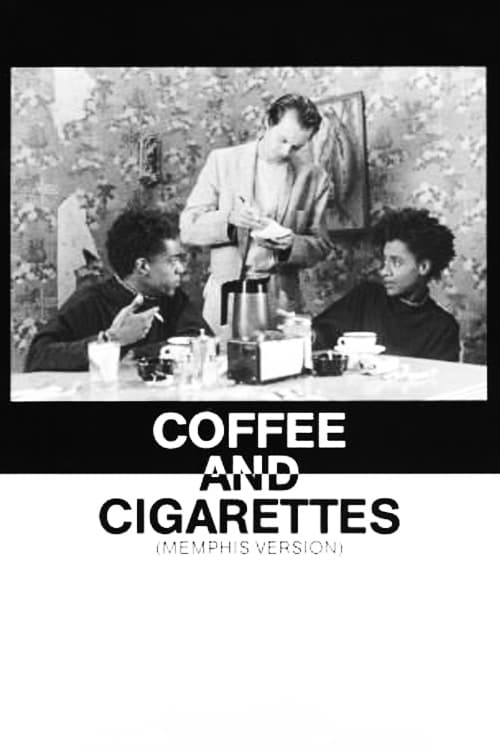
A brother and sister, sitting in a coffee bar, bicker mildly about whose idea it was to come to Memphis and which kind of cigarette is fresher. Danny, their waiter, comes by offering refills; after determining they are twins, he guesses which is the evil one. Without a pause, he sits down and offers his theory about Elvis's twin. He drones on. The good twin finally speaks up, giving her own opinion. The waiter is unfazed. After his boss finally calls him back to work, the twins are free to resume their bickering amidst the coffee and cigarettes.
1987
1997
1997

1966

2014
1998

2004
1989
No reviews yet. Be the first to share your thoughts on this movie!
Use the rating form above to leave a star rating and optional review.