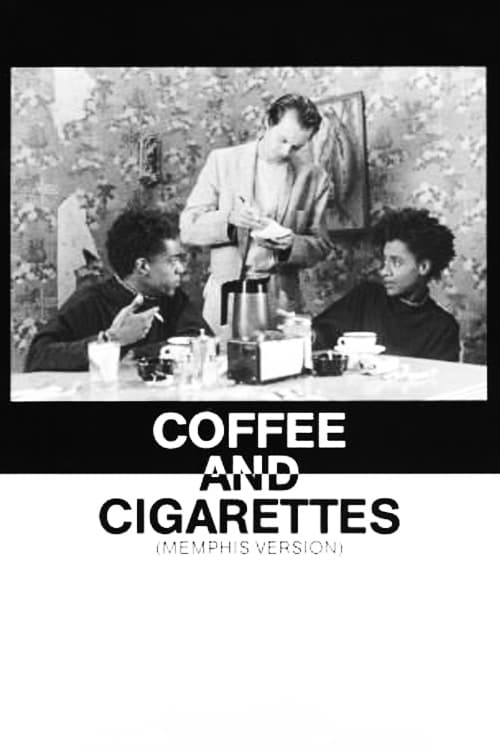
Coffee and Cigarettes II
1989
No user ratings available yet
Diversity score: 5.1 out of 10
1997
Director
Jim Jarmusch
Runtime
12 minutes
Average Rating
No ratings yetSynopsis
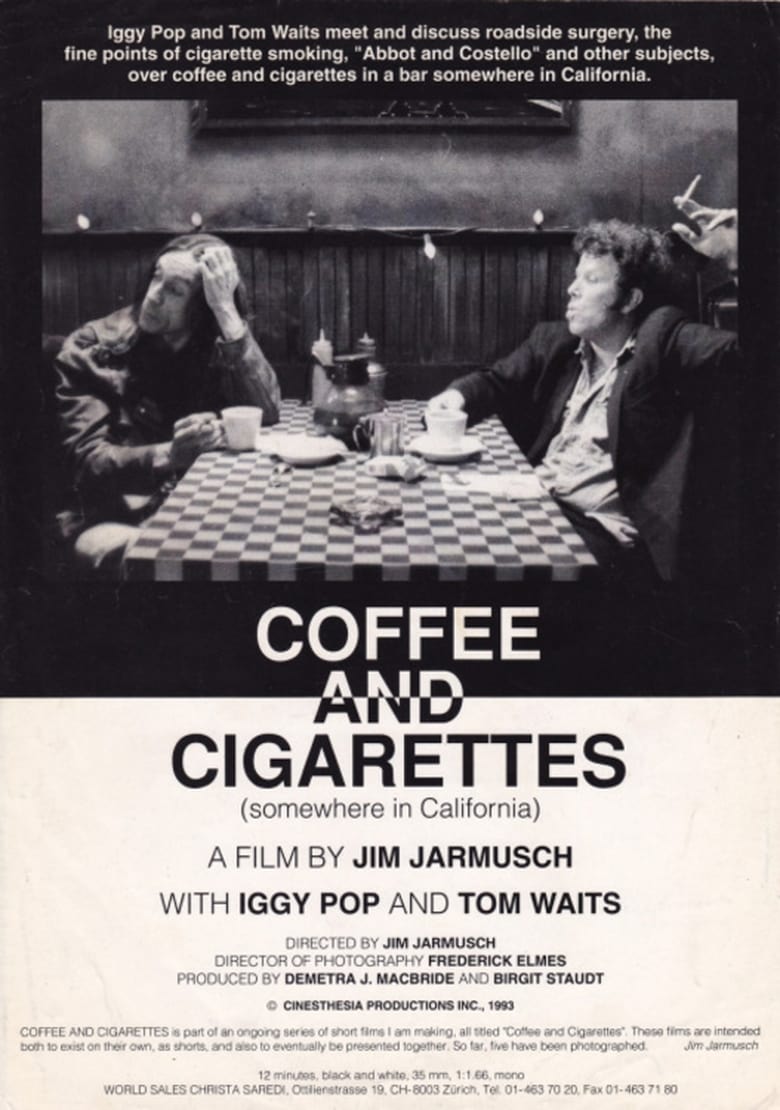
This shortcut repeats the structure of Coffee and Cigarettes. This time, Iggy Pop and Tom Waits meet in a bar. But, again, we don't know why they agreed to do that in the first place, because they don't seem to know each other very well and they don't have much to talk about, so the conversation wanders idly and hilariously as they sip their coffee and smoke cigarettes.
Overall Score
Fair
Category Breakdown
LGBTQ+ Representation
The film focuses on interpersonal friction and social awkwardness rather than identity-driven stories. It lacks explicit LGBTQ+ characters or narratives that actively critique cisnormativity.
Gender Representation
The narrative avoids traditional romantic or domestic arcs by focusing on dialogue-driven interactions. It does not centrally feature the subversion of gender hierarchies as a primary theme.
Racial & Ethnic Diversity
The anthology format features a diverse array of urban archetypes, including actors of color. However, race is not used as a central engine for agency or systemic critique.
Religious & Cultural Diversity
The film embraces postmodernism and moral relativism, challenging traditional Western teleological narratives. It emphasizes secularism and existentialism over grand religious or patriotic structures.
Disability Representation
There is no significant or intentional focus on visible or invisible disabilities. The film focuses on neurotypical social awkwardness rather than providing a platform for disability agency.
Strengths
Areas for Improvement
AI Analysis
Jim Jarmusch’s work functions as a postmodern study of existential ennui and social dysfunction. By prioritizing fragmented, minimalist vignettes, the film successfully disrupts traditional cinematic hierarchies and conventional Western moral structures. It avoids many standard tropes by focusing on the absurdity of the human condition. However, the film lacks explicit, intersectional character-driven agency. While it avoids harmful stereotypes, it does not actively center marginalized identities or use race and gender as tools for systemic critique. The representation remains largely incidental to the broader study of social awkwardness.
1989
1987
2007
2002

2016

2019

2006
1990
1982
2011
2016
2000
No reviews yet. Be the first to share your thoughts on this movie!
Use the rating form above to leave a star rating and optional review.