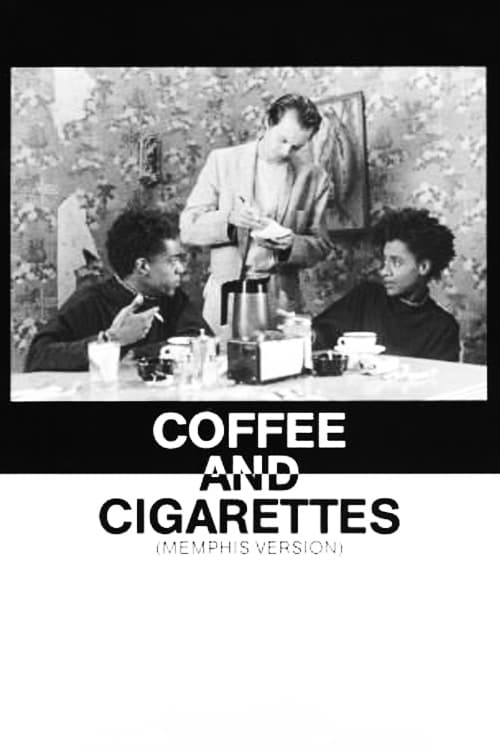
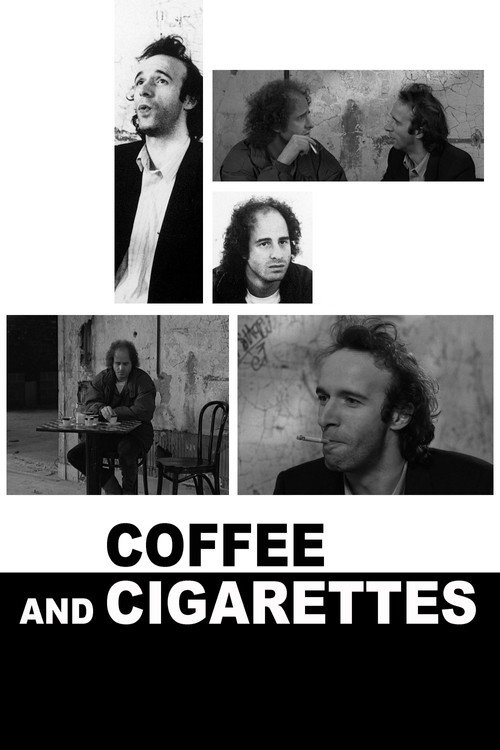
Coffee and Cigarettes II
1989
No user ratings available yet
Representation score: 7.2 out of 10
Representation Score
Good
1987
Director
Jim Jarmusch
Runtime
6 minutes
Average Rating
No ratings yetNew Showbiz Analysis
Jim Jarmusch’s anthology structure emphasizes atmospheric existentialism over conventional plots. This fragmented approach allows for a diverse, multi-ethnic social landscape that avoids the homogeneity of mainstream 1980s cinema. The film excels at deconstructing social norms and traditional hierarchies through everyday, awkward interactions. It favors a postmodern critique of productivity and social conformity over established moral structures. However, the work lacks explicit character arcs that explore multiple aspects of identity. Representation of identity, disability, and sexual orientation remains mostly incidental rather than being central to the plot.
Category Breakdown
The film doesn't focus much on non-straight identities. Queer stories aren't central to the plot, and representation is mostly incidental to the awkward situations shown.
Characters break away from traditional gender roles by appearing socially awkward or lost. While the film avoids reinforcing strict gender norms, it doesn't give characters much proactive influence.
An international cast creates a diverse, multi-ethnic setting. This avoids a uniform social norm and challenges the Anglo-centric focus common in 1980s movies.
The film embraces moral relativism and questions traditional institutions. It focuses on personal experiences and situational ethics over fixed moral rules or Western stability.
There is no significant or intentional focus on visible or invisible disabilities. Characters are defined by internal struggles rather than disability-driven narratives.
Present on Screen
Limited or Absent
Official Synopsis
In a vignette called "Strange to meet you," Roberto sits at a small table in a coffee bar. Five cups of coffee and two ashtrays are in front of him; he drinks and smokes. Steven joins him. They start a conversation about cigarettes and coffee. Steven likes to drink coffee before he sleeps, so he can dream faster. The conversation jumps around. "You know my mother?" asks Roberto. Steven describes coffee Popsicles. They switch seats; then switch back. Steven has to leave for a dental appointment he's not looking forward to. Roberto makes a startling offer, inspired no doubt by the coffee and cigarettes.
1989

1972
1997
1997

2004
1989

2014
1998
No reviews yet. Be the first to share your thoughts on this movie!
Use the rating form above to leave a star rating and optional review.