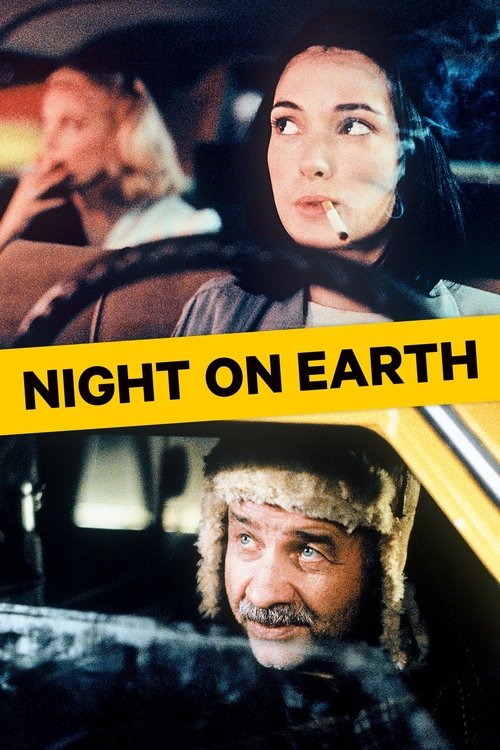
Night on Earth
1991
No user ratings available yet
Representation score: 7.9 out of 10

Representation Score
Good
2004
RDirector
Jim Jarmusch
Runtime
97 minutes
Average Rating
No ratings yetNew Showbiz Analysis
Jim Jarmusch’s anthology avoids traditional narrative coherence, opting for a fragmented, relativistic view of human interaction. The film's strength lies in its refusal to adhere to standard hierarchies of morality or gender, favoring idiosyncratic character studies over identity politics. While the film successfully showcases a multicultural, cosmopolitan world, it lacks explicit representation for LGBTQ+ and disabled communities. The focus on the mundane and the absurd provides a sense of social fluidity but misses opportunities for direct identity engagement. Ultimately, the work is a study in postmodernism. It deconstructs social norms and traditional storytelling values, offering a sophisticated look at situational ethics and the absurdity of human ritual.
Category Breakdown
The film focuses on social interactions rather than identity-driven storylines. Though it doesn't include explicit queer relationships or non-cisgender identities, the lack of traditional romantic structures creates a flexible social environment.
Characters are portrayed through individual quirks rather than traditional roles. Both men and women exhibit similar levels of social awkwardness and intellectual pursuits, avoiding typical gender stereotypes.
The cast includes a mix of ethnicities and nationalities. By treating diverse characters as unique individuals within a globalized urban setting, the film avoids including someone from a minority group without giving them real depth.
The narrative emphasizes postmodern moral relativism and secularism. It presents rituals and traditions as performative and superficial, focusing on the absurdity of social customs.
The vignettes focus on neurotypical social friction and conversational non-sequiturs. While it lacks explicit representation of disability, it engages subtly with atypical communication styles.
Present on Screen
Limited or Absent
Official Synopsis
An anthology of eleven vignettes featuring star-studded casts of extremely unique individuals who all share the common activities of conversing while drinking coffee and smoking cigarettes.
1991

1981
1997
1997
1987
1989
1989
2007
No reviews yet. Be the first to share your thoughts on this movie!
Use the rating form above to leave a star rating and optional review.