
Big Top Bunny
1951
No user ratings available yet
Representation score: 1.6 out of 10
Representation Score
Minimal
1950
ApprovedDirector
Robert McKimson
Runtime
7 minutes
Average Rating
No ratings yetNew Showbiz Analysis
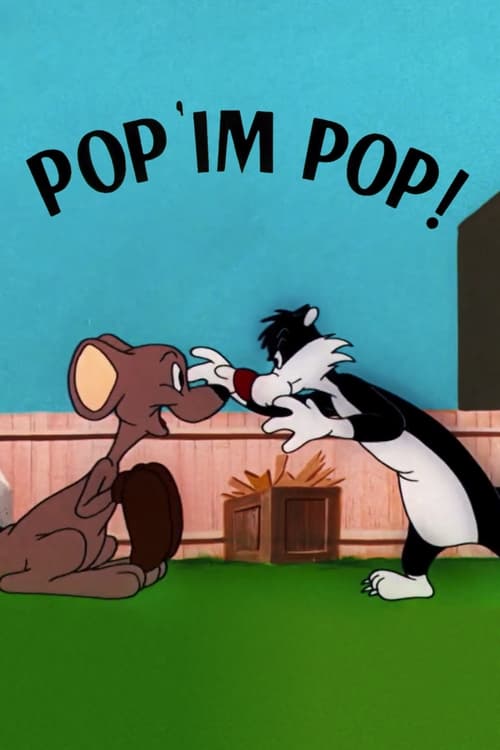
Pop 'im Pop! is a classic mid-century Looney Tunes short that prioritizes physical comedy over social commentary. Since the characters are anthropomorphic animals in a stylized circus setting, the film operates outside the context of human social structures. The narrative structure centers on physical comedy and slapstick humor, which precludes exploring complex social identities or disrupting traditional hierarchies. Ultimately, the film reflects the era's standard for animated shorts, providing a homogeneous experience that does not intentionally address diverse social identities.
Category Breakdown
The film does not depict any LGBTQ+ identities or non-cisgender gender expressions. The story revolves around slapstick interactions between animal characters.
Gender dynamics in the film focus on maternal and paternal roles without delving into complex social hierarchies. The film avoids explicit sexism but does not challenge traditional gender roles.
The cast is made up entirely of anthropomorphic animals. While it avoids racial stereotypes, the film lacks intentional racial or ethnic diversity among its characters.
The story follows mid-century entertainment values, emphasizing physical humor over systemic critiques. It does not engage with complex ethical frameworks or anti-Western narratives.
No visible or invisible disabilities are shown with significant influence. Physical injuries are used solely as comedic devices consistent with the slapstick genre.
Present on Screen
Limited or Absent
Official Synopsis
A circus comes to town featuring Gracie the Fighting Kangaroo and her youngster, Hippety Hopper.
1951
1956

1950
1963
1964
1964
1951
1935
No reviews yet. Be the first to share your thoughts on this movie!
Use the rating form above to leave a star rating and optional review.