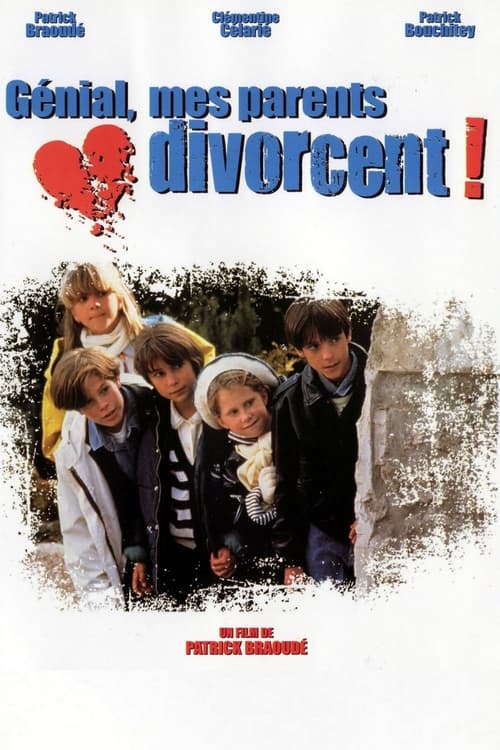
Great, My Parents Divorce!
1991
No user ratings available yet
Diversity score: 4.1 out of 10
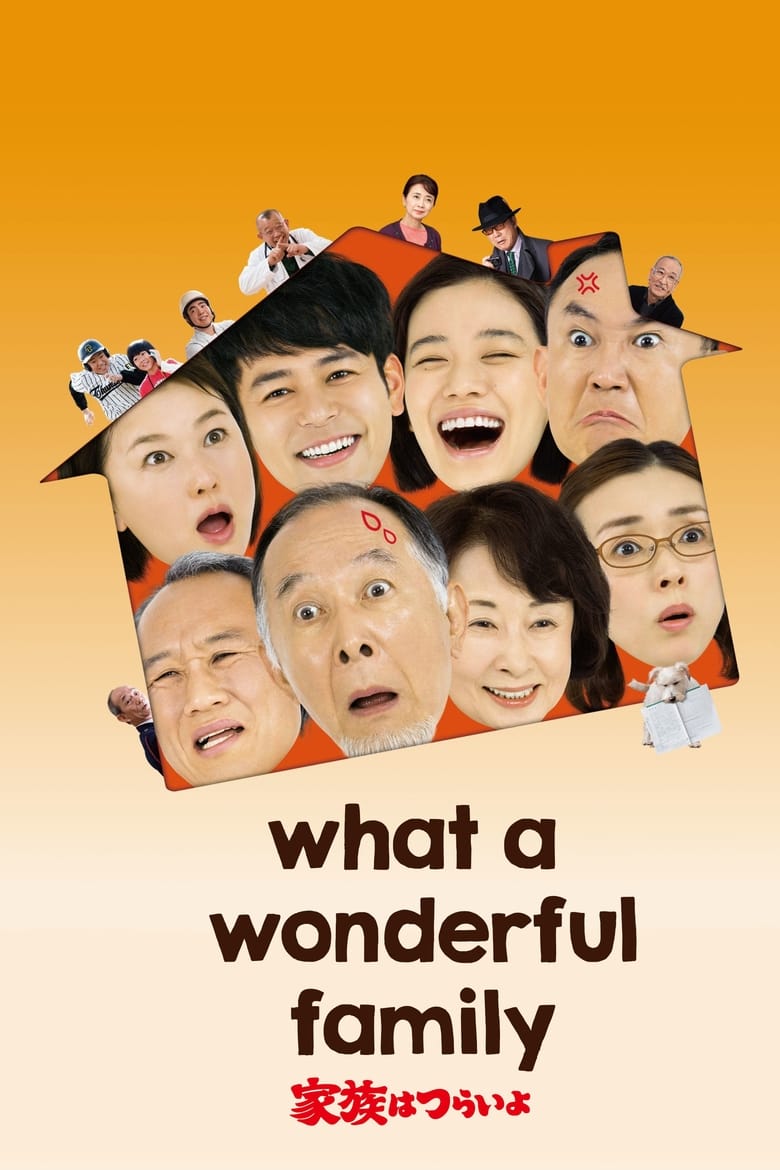
2016
Director
Yoji Yamada
Runtime
108 minutes
Average Rating
No ratings yetSynopsis
A husband and wife have been married for 50 years. For her birthday, the husband asks the wife what she wants for her birthday present. She replies that she wants a divorce. The wife's divorce announcement sends the entire family into chaos.
Overall Score
Fair
Category Breakdown
LGBTQ+ Representation
The film focuses on heteronormative marital structures. There is no significant evidence of non-cisnormative or non-heteronormative identities driving the plot.
Gender Representation
The narrative centers female agency by making the wife's divorce request the central conflict. This subverts the trope of the submissive matriarch and disrupts traditional domestic hierarchies.
Racial & Ethnic Diversity
As a domestic Japanese comedy, the cast and setting are largely homogeneous. The film reflects its specific social context without pursuing intersectional racial blending.
Religious & Cultural Diversity
The film deconstructs the sanctity of the permanent family unit. It treats traditional marriage as a source of tension and potential dysfunction rather than an unassailable good.
Disability Representation
There is no prominent evidence of characters with visible or invisible disabilities driving the narrative or serving as central agents of the plot.
Strengths
Areas for Improvement
AI Analysis
Yoji Yamada’s film finds its progressive edge by challenging the stability of the traditional family unit. Rather than focusing on demographic breadth, the story derives its impact from subverting domestic expectations and the sanctity of lifelong marriage. The film's primary strength is the empowerment of its female protagonist. By placing her autonomy at the heart of the chaos, the narrative critiques the rigid expectations of the domestic unit and traditional social hierarchies. However, the film remains limited by its homogeneity. It lacks significant LGBTQ+ representation and racial intersectionality, remaining firmly within a traditional, culturally specific framework.
1991

2010

2021

2012
1999

2019
1959

2018
2017
2018

2013
No reviews yet. Be the first to share your thoughts on this movie!
Use the rating form above to leave a star rating and optional review.