
Those Happy Days
2006
No user ratings available yet
Representation score: 6.2 out of 10
Representation Score
Limited
2012
Not RatedDirector
Philippe Lellouche
Runtime
94 minutes
Average Rating
No ratings yetNew Showbiz Analysis
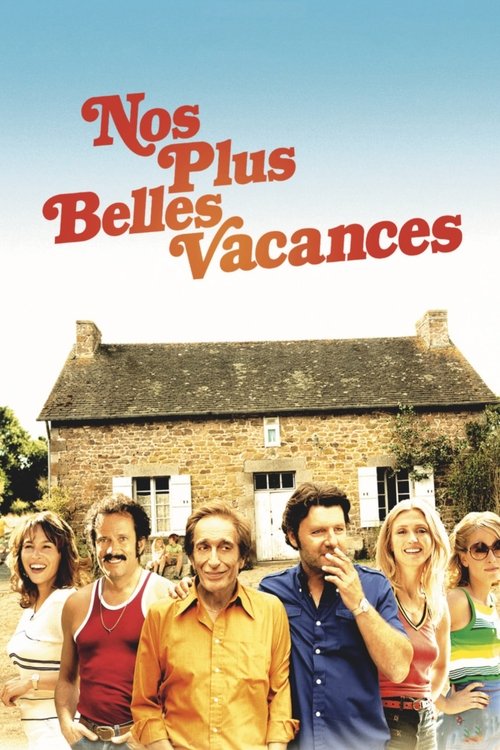
My Best Holidays is a conventional domestic comedy that prioritizes restoring traditional social bonds. The narrative focuses on marriage and the coming-of-age experiences of children within a standard family structure. The film adheres to established genre clichés, favoring nostalgic views of domestic life over the deconstruction of systemic hierarchies. It lacks the complexity needed for a more diverse profile. Ultimately, the production reflects a homogeneous social milieu, offering limited representation outside of traditional and Eurocentric frameworks.
Category Breakdown
The film focuses on the romantic relationship between a married couple and traditional family dynamics, operating within a framework that assumes everyone is straight or cisgender.
The story centers on the domestic struggles of a marriage, emphasizing traditional gender roles and hierarchies without challenging established expectations.
The production features a homogeneous cast, with no evidence of multi-ethnic representation or diverse cultural backgrounds.
The film explores the stability of the nuclear family through a summer holiday lens, celebrating domestic life without critiquing Western social institutions.
There is no discernible evidence of characters with visible or invisible disabilities in this production.
Present on Screen
Limited or Absent
Official Synopsis
Over this long hot summer, Claude and Isabelle get their marriage back on track, while Bibou and Simon, spend a memorable summer discovering the world of grown-ups.
2006
2014
2012
2023
2015
2012
2014
2010
No reviews yet. Be the first to share your thoughts on this movie!
Use the rating form above to leave a star rating and optional review.