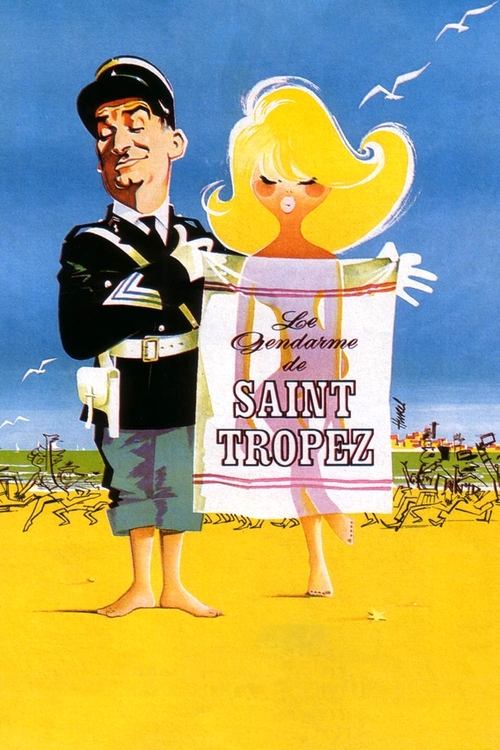
Le Gendarme de Saint-Tropez
1964
No user ratings available yet
Representation score: 0.9 out of 10

Representation Score
Limited
1950
Director
André Berthomieu
Runtime
95 minutes
Average Rating
No ratings yetNew Showbiz Analysis
The film opens on the frantic energy of Paris, a city that immediately swallows the rigid, rural order represented by Bourvil’s gendarme, Léon Ménard. This 1950 comedy by André Berthomieu sells a specific social argument: that bureaucratic authority is a hollow shell, easily pierced by the charm and sophistication of the urban elite. Léon is the joke; his literal-mindedness and physical clumsiness are the engine of the farce, while Queen Marika (Casadesus) and Angèle (Dubost) move through the plot with a grace that makes his rigidity look absurd. The sold meaning is clear: social hierarchy is natural, but it is determined by wit rather than rank. Léon holds the title of gendarme, yet he is powerless against the "royal" deception. The camera loves Casadesus’s poise and Dubost’s warmth, treating them as the competent centers of a world where Léon is merely a prop for their amusement. When the crooks strip Léon of his inheritance, the film does not mourn his loss; it laughs at his inability to navigate a world that values social capital over institutional power. The ending settles the moral verdict: the sophisticated outsiders win. Léon is left stranded, bewildered, and humiliated, while the women depart with their dignity intact. The film affirms that the "lower" class of bureaucrats exists to serve the "higher" class of socialites, a traditional hierarchy dressed in a light, farcical coat. It is a period piece that reinforces the status quo, using comedy to make the displacement of authority feel like a natural, even delightful, outcome.
Category Breakdown
Absent. The narrative relies on a strictly heterosexual framework where Bourvil’s character pursues two women, Queen Marika and Angèle. No same-sex intimacy or non-heteronormative identities appear on screen.
Present. Mathilde Casadesus commands the plot as the sophisticated "Queen" who manipulates the situation, while Bourvil serves as the bumbling, incompetent straight man. The camera treats male authority as a source of comedy, rewarding female social grace over rigid bureaucratic masculinity.
Absent. The cast is entirely white, reflecting the 1950s French production norm. No non-white characters appear, and the film offers no commentary on race or colonialism.
Contested. The film contrasts the rigid, rural gendarme with the fluid, urban sophistication of Paris. While it mocks the state’s bureaucratic authority, it ultimately affirms social hierarchy by rewarding charm and class over institutional duty.
Absent. No characters display physical or mental impairments. The bodies on screen are idealized or comedic, with no narrative focus on disability.
Present on Screen
Limited or Absent
Official Synopsis
A policeman receives a fabulous inheritance. Thanks to this, he conquers the heart of Queen Marika. But crooks deprive him of his financial means
1964
1968
1961
1940
1962
1966
1963
1941
No reviews yet. Be the first to share your thoughts on this movie!
Use the rating form above to leave a star rating and optional review.