The White Match
1968
No user ratings available yet
Diversity score: 6.9 out of 10
2008
NRDirector
Matt Norman
Runtime
120 minutes
Average Rating
No ratings yetSynopsis
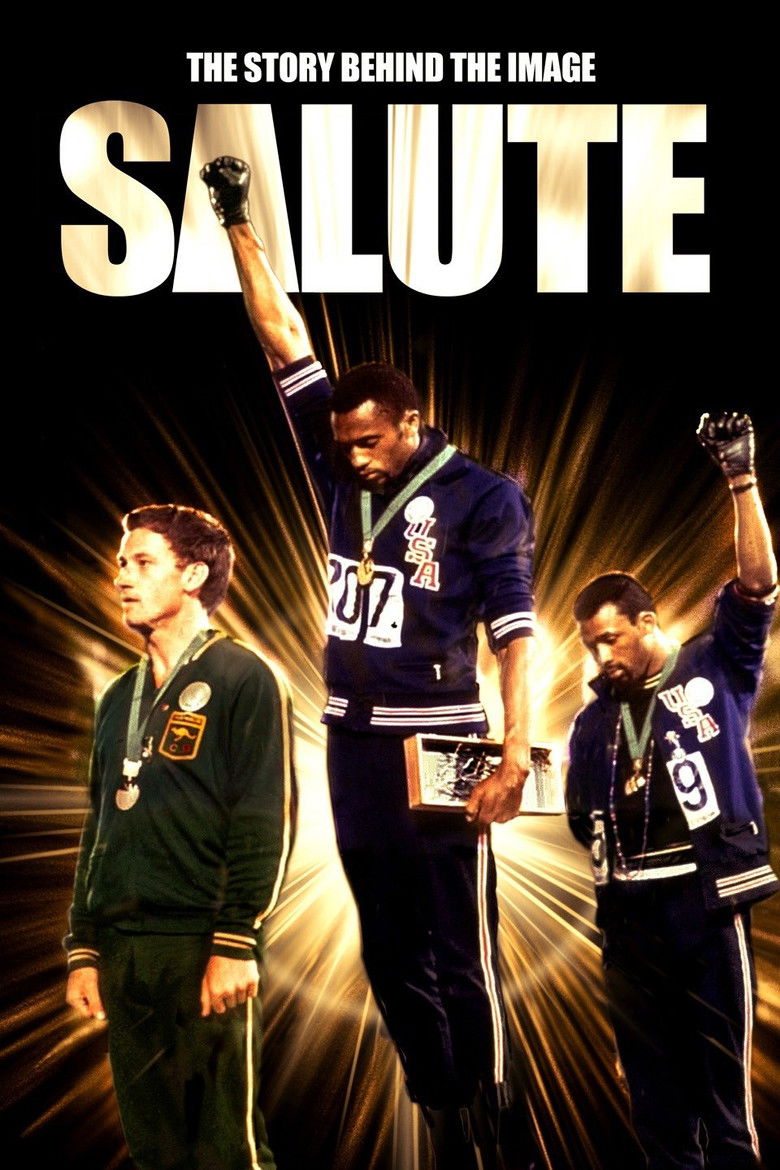
The black power salute by Tommie Smith and John Carlos at the 1968 Mexico Olympics was an iconic moment in the US civil rights struggle. Far less known is the part in that episode in history played by Peter Norman, the white Australian on the podium who had run second — and the price paid afterward by all three athletes.
Overall Score
Good
Category Breakdown
LGBTQ+ Representation
The film focuses primarily on the racial and political dimensions of the 1968 Olympics. There is no explicit evidence of LGBTQ+ narratives or non-cisnormative identities within the historical focus.
Gender Representation
The narrative architecture centers on the male athletes involved in the Black Power salute. It does not detail the inclusion of female perspectives or the subversion of gender hierarchies.
Racial & Ethnic Diversity
The documentary centers the agency of Tommie Smith and John Carlos, elevating Black athletes as drivers of political change. The inclusion of Peter Norman adds a layer of racial solidarity.
Religious & Cultural Diversity
The film challenges Western institutional narratives by framing the Olympic Committee as an entity that imposed costs on those challenging the status quo. It explores the friction between morality and decorum.
Disability Representation
The provided context contains no information regarding the portrayal of physical or neurodivergent disabilities.
Strengths
Areas for Improvement
AI Analysis
Salute serves as a corrective narrative that shifts the lens from athletic achievement to an interrogation of systemic injustice. It successfully deconstructs official Olympic history by highlighting how marginalized identities use high-visibility platforms to disrupt dominant frameworks. The film excels in its racial and cultural analysis, providing a nuanced study of political agency and the personal costs of resisting social hierarchies. It moves beyond a simple sporting recap to explore complex intersectional struggles. However, the documentary remains limited by its narrow focus on a male-dominated historical event. The absence of gendered or LGBTQ+ perspectives results in a more traditional, singular narrative structure.
1968
2020
2018
2014
2018
2023

2019

2018
2004
2017

1970
2000
No reviews yet. Be the first to share your thoughts on this movie!
Use the rating form above to leave a star rating and optional review.