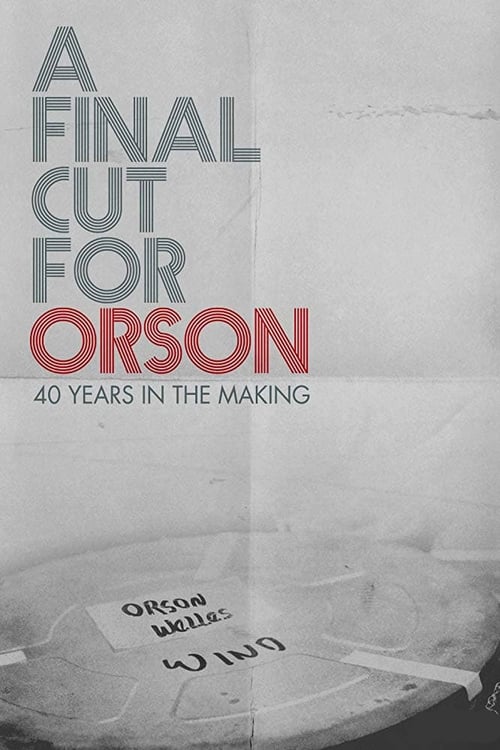
A Final Cut for Orson: 40 Years in the Making
2018
No user ratings available yet
Representation score: 3.8 out of 10
Representation Score
Fair
2002
Director
Orson Welles
Runtime
82 minutes
Average Rating
No ratings yetNew Showbiz Analysis
Orson Welles's unfinished documentary project is a highly stylized, Eurocentric exploration of systemic corruption. It prioritizes a singular, existential nightmare over a diverse social tapestry, resulting in limited demographic representation across most categories. While the film lacks breadth in terms of race, gender, and LGBTQ+ identities, it achieves significant depth in its cultural critique. It functions as a postmodernist dismantling of absolute authority and Western institutional legitimacy. Ultimately, the work is a specialized study of individual ability to act versus systemic control, sacrificing demographic variety to maintain its focused, surrealist atmosphere.
Category Breakdown
The film does not prominently feature LGBTQ+ characters or stories centered around non-cisgender identities. Instead, it focuses on the protagonist's existential journey within a surreal framework.
The story revolves around a male protagonist's psychological journey. Female characters appear as mysterious elements of the bureaucratic environment rather than independent agents.
The cast is primarily white, fitting the European setting. The film emphasizes a Eurocentric portrayal of a bureaucratic nightmare without diverse casting.
The film excels in critiquing institutional power and Western legal structures. It portrays these systems as opaque, dehumanizing, and inherently corrupt.
There are no prominent depictions of physical or neurodivergent disabilities. Any sense of impairment is purely symbolic, reflecting the protagonist's mental fragmentation.
Present on Screen
Limited or Absent
Official Synopsis
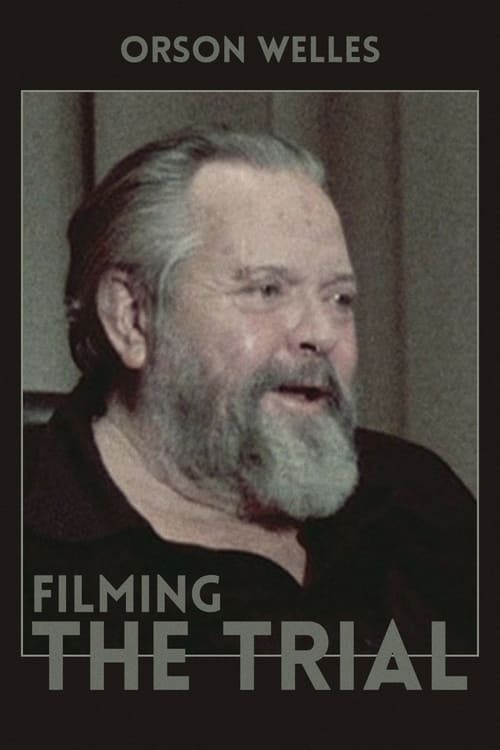
An unfinished 1981 essay-documentary project by Orson Welles, based on a filmed Q&A session at USC following a screening of The Trial, intended as a reflective companion piece to the film but never edited or completed during his lifetime. The film was edited and screened in the 2000s by the Munich Filmmuseum.
2018
2018
1983
2018
2009

2002
1993
1968
No reviews yet. Be the first to share your thoughts on this movie!
Use the rating form above to leave a star rating and optional review.