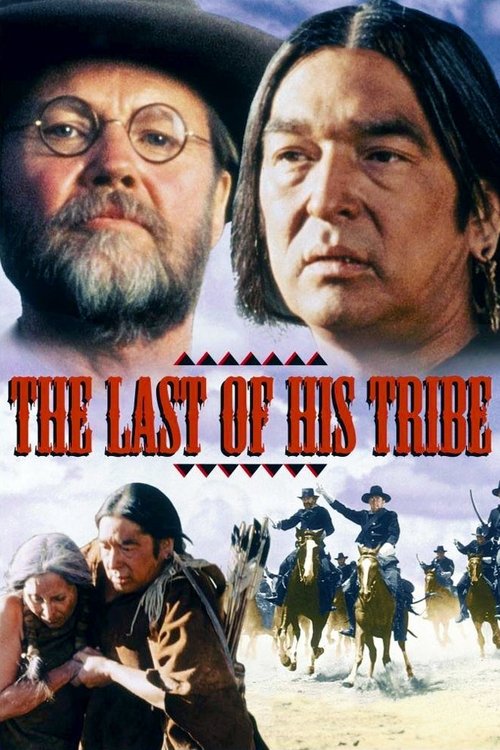
The Last of His Tribe
1992
No user ratings available yet
Representation score: 3.1 out of 10
Representation Score
Limited
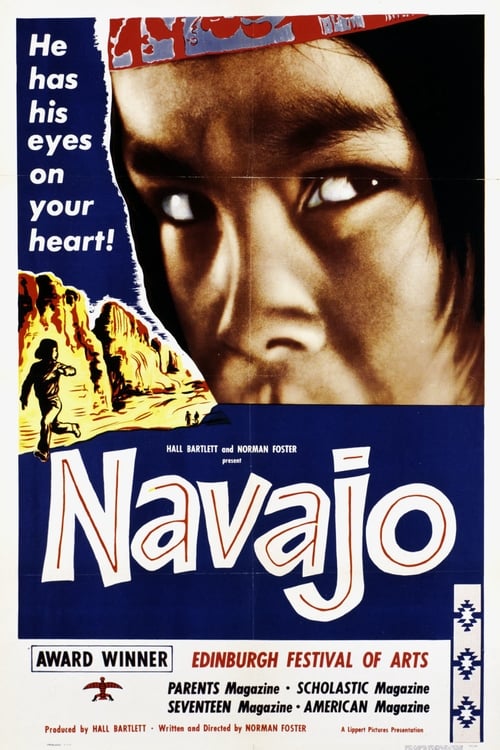
1952
ApprovedDirector
Norman Foster
Runtime
70 minutes
Average Rating
No ratings yetNew Showbiz Analysis
Navajo stands out for its commitment to racial authenticity and Indigenous ability to act. By using a semi-documentary style and casting Navajo actors in central roles, the film avoids the caricatures common in mid-century Westerns. However, the film's diversity is limited by traditional gender dynamics and an absence of LGBTQ+ representation. The narrative centers on patriarchal structures and the friction between tribal and federal male-dominated institutions. Ultimately, the film provides a sophisticated critique of cultural encroachment while reflecting the social constraints and narrow representation of its time.
Category Breakdown
This 1952 production does not include any LGBTQ+ characters or narratives. It lacks queer themes and challenges to the idea that everyone is straight.
The film focuses on male-dominated federal institutions and patriarchal structures. It avoids showing women in degrading ways but does not give women prominent intellectual roles.
The film features authentic casting with Chief Dan Lodge in a central role, avoiding whitewashing and allowing an Indigenous worldview to drive the narrative.
The story criticizes Western expansionism and the imposition of external educational systems. It highlights the tension between tribal autonomy and the influence of the US government.
The film does not focus on visible or invisible disabilities in its narrative.
Present on Screen
Limited or Absent
Official Synopsis
A young Navajo Indian boy is caught up in the conflict of cultures when he rejects the white man's school. Told in semi-documentary style. Preserved by the Academy Film Archive in 2012.
1992

1950
1934
1960

1955
2017
1973

1971
No reviews yet. Be the first to share your thoughts on this movie!
Use the rating form above to leave a star rating and optional review.