Navajo
1952
No user ratings available yet
Representation score: 3.8 out of 10
Representation Score
Fair
1973
Director
Charles Burnett
Runtime
14 minutes
Average Rating
No ratings yetNew Showbiz Analysis
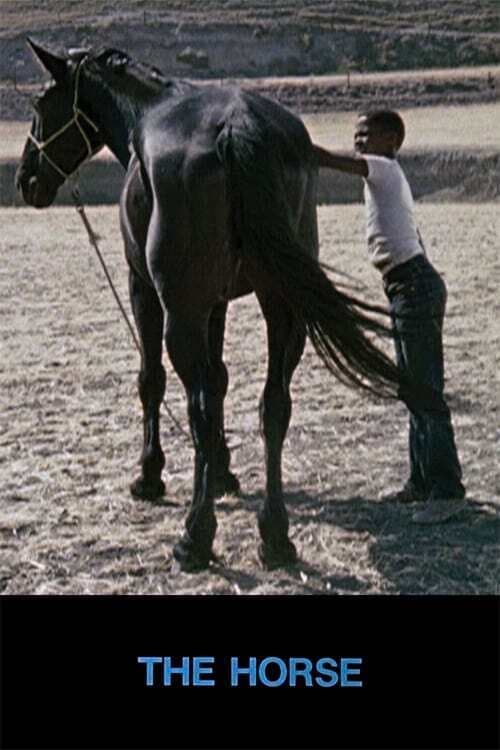
Charles Burnett’s *The Horse* is a landmark of the L.A. Rebellion movement, using poetic realism to challenge mainstream Hollywood conventions. By replacing melodrama with an observational study of working-class life, the film prioritizes the dignity of the ordinary over traditional Western clichés. The film's greatest strength lies in its authentic racial representation. By centering a Black community in Watts, Burnett reclaims identity and space, presenting Black lives as the central subjects rather than peripheral figures. While the film lacks LGBTQ+ or disability representation, it succeeds in its systemic critique. It uses a realist lens to highlight how capitalist structures and urban poverty affect underrepresented families, offering a nuanced view of resilience.
Category Breakdown
The film does not include any LGBTQ+ characters or narratives. It focuses solely on the socioeconomic and familial aspects of the protagonist's life.
The film portrays traditional working-class family dynamics. It avoids reinforcing patriarchal dominance by emphasizing quiet, everyday experiences rather than stylized power struggles.
Burnett successfully centers an all-Black cast in Watts. This approach rejects the white perspective, giving high ability to act to Black protagonists as the main subjects.
The narrative offers a sophisticated critique of systemic socioeconomic constraints. It finds dignity in work and resilience amid the pressures of urban poverty.
There is no significant evidence of visible or invisible disabilities within the primary narrative arc.
Present on Screen
Limited or Absent
Official Synopsis
This critically acclaimed 1973 short is about an aristocratic white farming family who has a horse that is being put away, by the father of a young black boy named William. William cares for said horse in its last moments, as the male family members eagerly wait for his dad to arrive.
1952

1978
2017
1972
1967
1946
1967
1945
No reviews yet. Be the first to share your thoughts on this movie!
Use the rating form above to leave a star rating and optional review.