
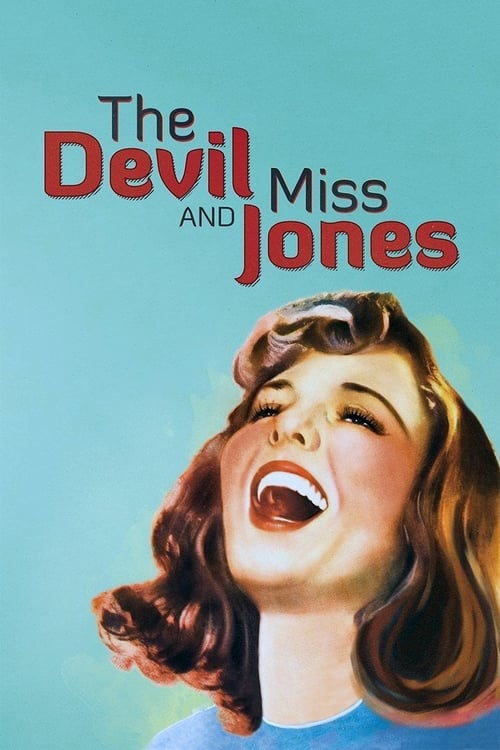
Department Store
1939
No user ratings available yet
Representation score: 1.4 out of 10
Representation Score
Minimal
1941
NRDirector
Sam Wood
Runtime
92 minutes
Average Rating
No ratings yetNew Showbiz Analysis
The film is a classic example of the Golden Age of Hollywood, emphasizing traditional moral structures and conventional character types. It upholds the era's standard social and cultural norms without challenging them. Although the premise explores the interaction between the wealthy elite and the working class, the narrative does not delve into systemic issues. Instead, it focuses on individual moral journeys. Overall, the production lacks depth in representing various identities, presenting a homogeneous world that aligns with the typical narrative structure of the 1940s.
Category Breakdown
The film follows the heterosexual and cisgender norms of the 1940s. There is no indication of non-binary or LGBTQ+ identities or relationships.
The narrative roles adhere to traditional period norms. While the female lead shows strength, she primarily serves as a romantic interest within a male-dominated power structure.
The cast is predominantly white, reflecting the urban environment of the time. There is no significant effort to include diverse racial backgrounds.
The film uses supernatural elements to explore morality. While it touches on class issues through undercover work, it focuses on moral lessons rather than systemic problems.
There is no representation of physical, sensory, or neurodivergent disabilities. Characters are shown within the context of able-bodied norms.
Present on Screen
Limited or Absent
Official Synopsis
The wealthiest man in the world, John P. Merrick, is a private person who likes to stay anonymous. One of his many assets is Neeley's Department Store. There is labor unrest at the store, and the employees' anger is directed at him, who they hang in effigy outside the store despite not knowing what he looks like. Merrick, not happy at what he sees going on, decides to mete out the rabble-rousers. So he goes undercover as a sales clerk in the shoe department.
1939
1948
1939
1940
1926

1936
1938
1932
No reviews yet. Be the first to share your thoughts on this movie!
Use the rating form above to leave a star rating and optional review.