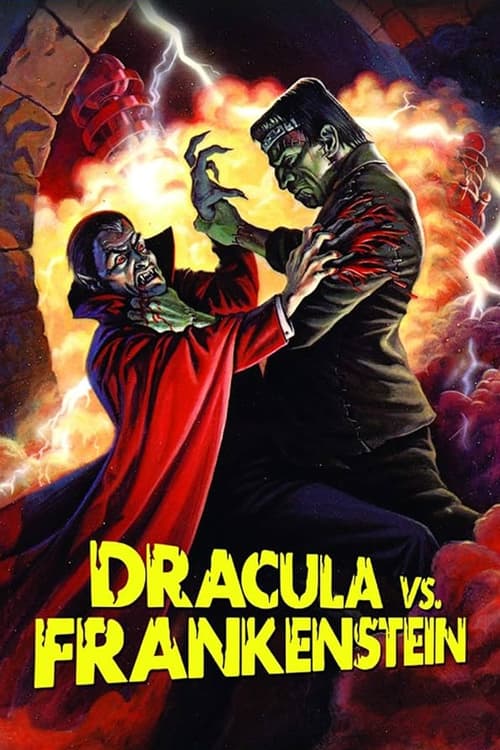
Dracula vs. Frankenstein
1971
No user ratings available yet
Representation score: 2.1 out of 10
Representation Score
Limited
1970
Not RatedDirector
Tulio Demicheli, Hugo Fregonese
Runtime
87 minutes
Average Rating
No ratings yetNew Showbiz Analysis
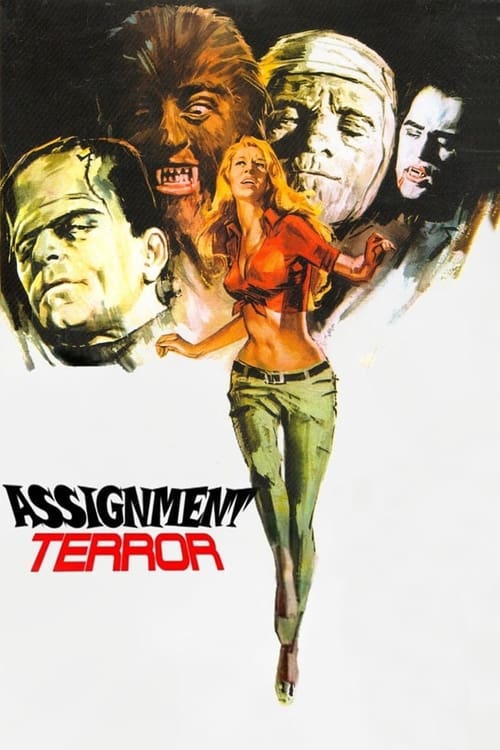
Assignment Terror is a classic 1970s horror film that focuses on traditional horror elements rather than addressing social complexities. The film uses archetypal monsters to drive its plot, reinforcing existing social and cultural hierarchies rather than challenging them. By relying on established cinematic patterns of the era, the film uses externalized conflicts and 'othering' of non-Western motifs, missing opportunities for deeper social critique.
Category Breakdown
The film doesn't include any LGBTQ+ identities or same-sex relationships. It uses traditional horror elements that emphasize straight relationships.
Women in the film seem to follow traditional gender roles where they have little control over their own lives, fitting the era's science fiction.
The film includes non-Western characters like the mummy Tao-Tet, but these characters are used to represent 'others' and are not given meaningful depth.
The story follows a conventional Western perspective of good versus evil. It uses science to counter external threats, reinforcing traditional stability.
Re-animated creatures are used as metaphors for physical differences and serve mainly as sources of fear or plot devices.
Present on Screen
Limited or Absent
Official Synopsis
Aliens from a dying world plot to conquer earth by preying on man's superstitions. Bringing two dead scientists back to life, they use their knowledge to re-animate various earth monsters, including the werewolf, Frankenstein's monster, the mummy Tao-Tet, and the vampire Count de Meirhoff.
1971
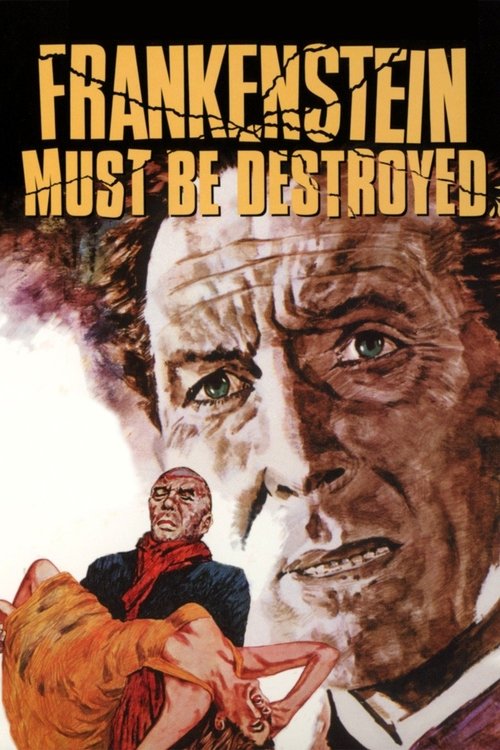
1969
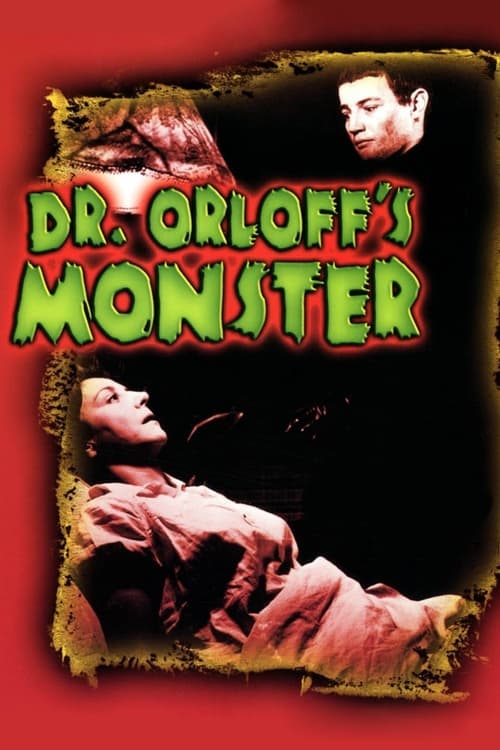
1965
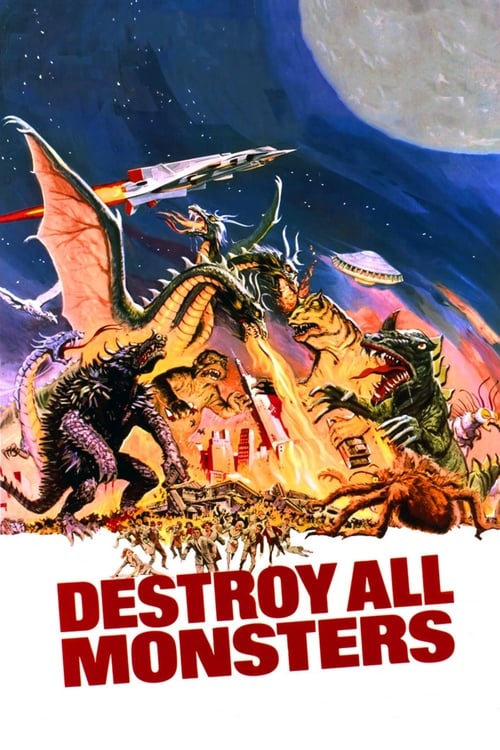
1968
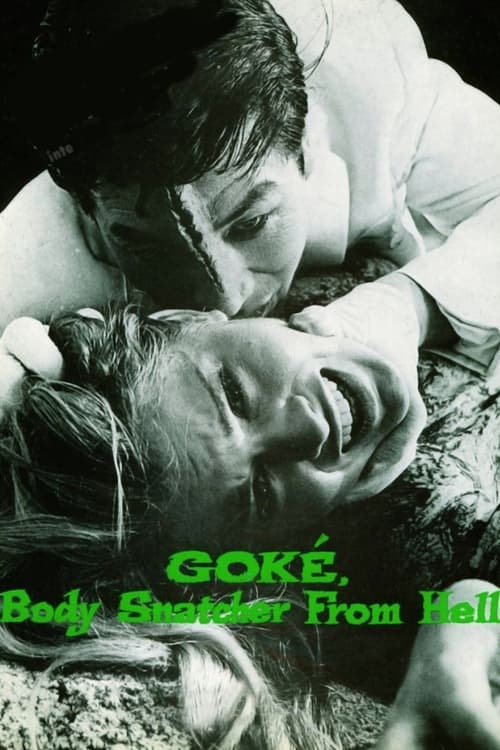
1968

1958
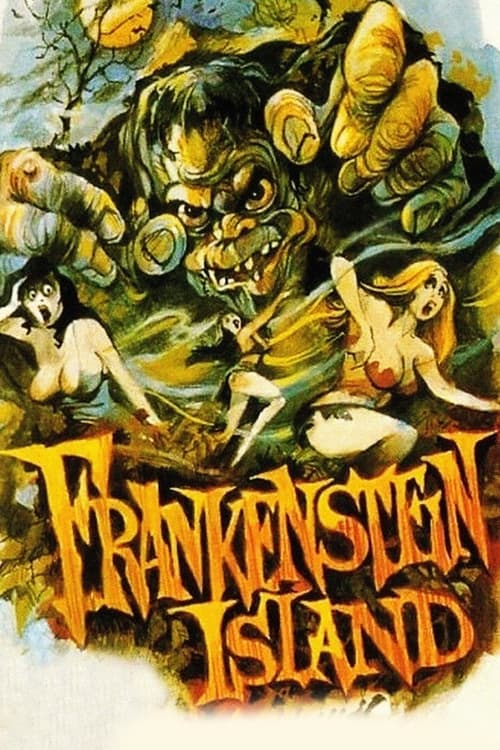
1981
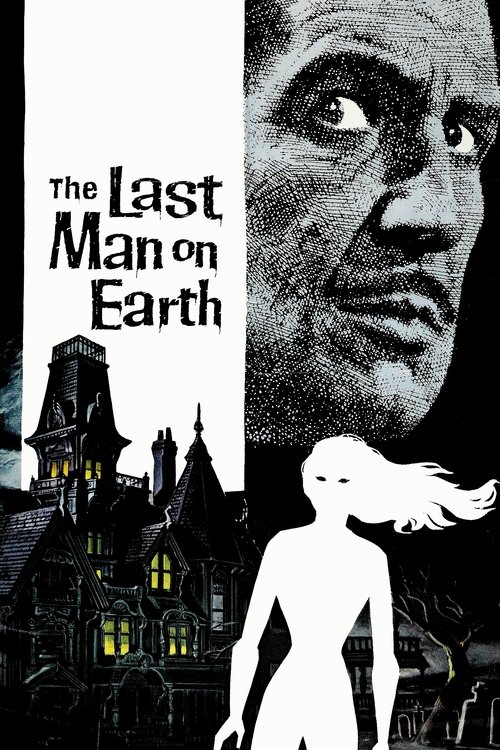
1964
No reviews yet. Be the first to share your thoughts on this movie!
Use the rating form above to leave a star rating and optional review.