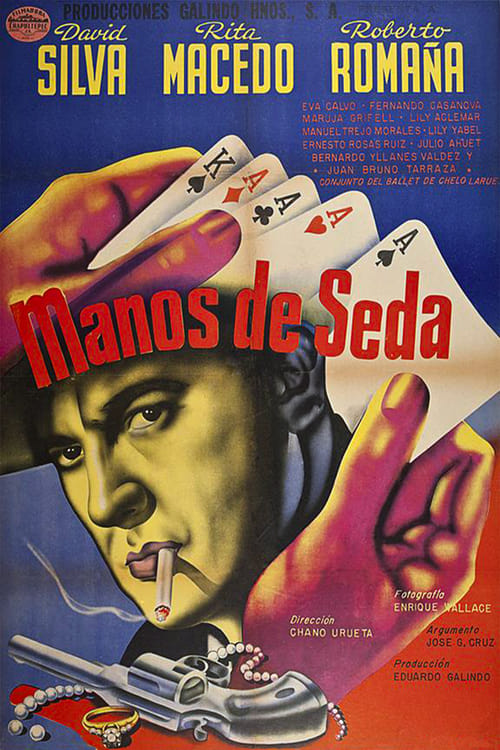
Manos de seda
1951
No user ratings available yet
Representation score: 1.5 out of 10

Representation Score
Minimal
1951
Director
Fernando de Fuentes
Runtime
104 minutes
Average Rating
No ratings yetNew Showbiz Analysis
Fernando de Fuentes' adaptation of Dostoevsky's classic is a traditional drama that prioritizes moral themes. The film explores individual guilt and religious redemption through a male-centric lens, reflecting the social norms of the early 1950s. The production focuses almost entirely on a centralized male perspective. While it captures the psychological depth of the source material, it reinforces established social and patriarchal norms rather than challenging them. Ultimately, the film validates moral and religious frameworks. It lacks representation for LGBTQ+ identities, diverse ethnic ensembles, or characters with disabilities, making it a product of its specific historical and cultural era.
Category Breakdown
The film does not include any LGBTQ+ characters or narratives that challenge heteronormativity. Instead, it focuses on the male protagonist's moral journey within the social structures of the 1950s.
The story centers on the male experience and intellectual struggles. Female characters play traditional roles, often serving as catalysts for the protagonist's moral dilemmas.
The cast is mostly made up of actors representing the demographics typical of the 1951 Mexican film industry. It functions as a standard period drama within its cultural context.
The story is deeply rooted in Western and Christian moral values. It emphasizes spiritual redemption and the importance of moral accountability through the protagonist's confession.
There are no characters with disabilities portrayed in the film. The protagonist's psychological distress is framed as an existential crisis rather than a depiction of neurodivergence.
Present on Screen
Limited or Absent
Official Synopsis
Adaptation of Dostoyevsky's novel about a student who plans a conceptual murder and then butts heads with a police detective.
1951
1949
1956

1958
1970

1951
1957
1959
No reviews yet. Be the first to share your thoughts on this movie!
Use the rating form above to leave a star rating and optional review.