
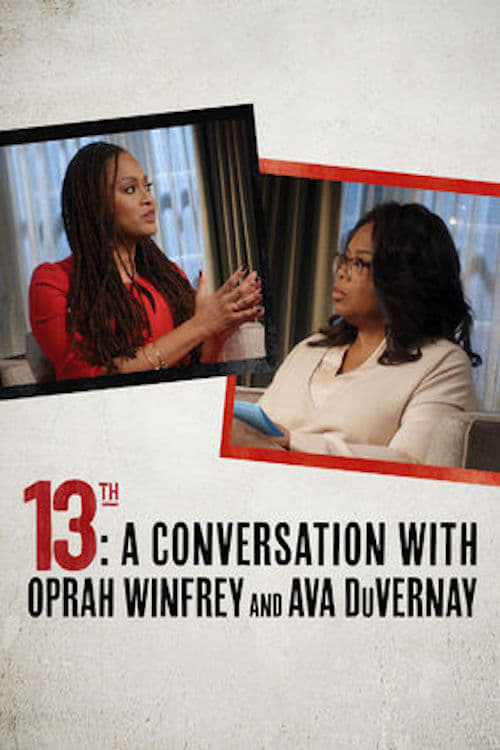
Oprah Winfrey Presents: When They See Us Now
2019
No user ratings available yet
Representation score: 7.6 out of 10
Representation Score
Excellent
2017
Runtime
36 minutes
Average Rating
No ratings yetNew Showbiz Analysis
This documentary conversation stands out by centering Black intellectual authority and challenging institutional hierarchies. By featuring influential Black women, it provides a sophisticated deconstruction of systemic oppression and the American legal system. The work is particularly effective in its racial and cultural critiques, treating racial identity as a fundamental component of the American narrative. It uses a framework to examine how economic incentives and historical legal structures contribute to mass incarceration. However, the brief nature of the dialogue leads to a lack of specific representation for LGBTQ+ identities and physical or neurodivergent disabilities. The focus remains strictly on the intersection of race and the carceral state.
Category Breakdown
The film focuses on the intersection of race and the carceral state, without explicitly addressing LGBTQ+ identities or non-conforming gender expressions.
The film highlights the intellectual ability to act of women by placing prominent figures like DuVernay and Winfrey at the center of the discussion. This challenges traditional hierarchies that often sideline women in political analysis.
The conversation centers the Black experience as the primary lens for understanding American history. It treats racial identity as a central driver of the socio-legal narrative.
The discussion offers a critical look at Western institutions and the prison-industrial complex. It frames the justice system as a tool of systemic oppression rather than a neutral entity.
There is no specific focus on neurodivergence or physical disabilities. While the discussion touches on systemic disenfranchisement, there are no narratives centered around specific disabilities.
Present on Screen
Limited or Absent
Official Synopsis
In this 30-minute interview, Oprah Winfrey sits down with director Ava DuVernay to discuss her Oscar-nominated film, historical cycles of oppression and the broken prison system.
2019
2012
2017
2020
2022

2020
2015
2016
No reviews yet. Be the first to share your thoughts on this movie!
Use the rating form above to leave a star rating and optional review.