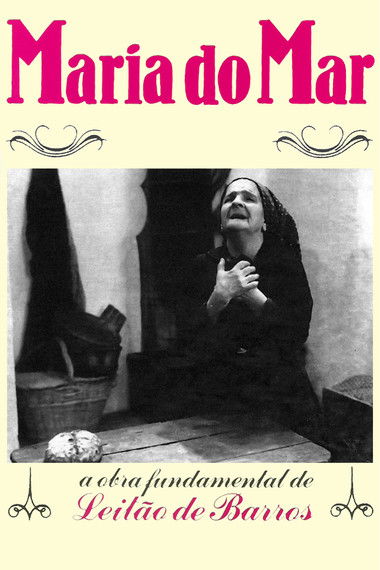
Maria of the Sea
1930
No user ratings available yet
Representation score: 0.8 out of 10
Representation Score
Limited
1942
Director
José Leitão de Barros
Runtime
88 minutes
Average Rating
No ratings yetNew Showbiz Analysis
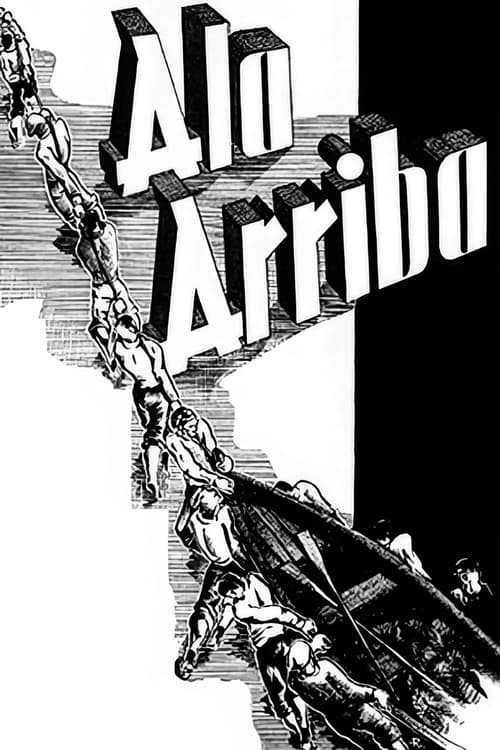
Ala-Arriba! is a period drama that examines localized social conflicts rather than broad systemic issues. The film's tension arises from the rigid hierarchies of a specific maritime community, focusing on the clash between personal romance and communal rules. While the film slightly disrupts traditional gendered double standards by holding both men and women to similar standards of reputation, it remains anchored to the romantic conventions of the 1940s. The central conflict revolves around social caste rather than multi-layered identity. Ultimately, the work serves as a study of class and social standing. It explores how individual ability to act navigates established communal morality without attempting a progressive deconstruction of systemic power.
Category Breakdown
The film centers on a heterosexual relationship between Julha and João Moço, with no indication of queer subtext or diverse gender identities.
It challenges traditional gender roles by showing how dating without parental consent disgraces both men and women. However, the female lead's role remains tied to conventional romantic structures.
The narrative focuses on social stratification among different fishing castes in a Portuguese community. It does not rely on racial or ethnic diversity as a primary plot element.
The film explores the tension between personal desires and strict communal morality. It portrays a society governed by rigid traditions and caste-based marriage restrictions.
There is no evidence of disability, neurodivergence, or chronic illness playing a central role in the characters' stories or the overall narrative.
Present on Screen
Limited or Absent
Official Synopsis
It focuses on maritime tragedy of the town and a forbidden love between Julha and João Moço, from different fisher castes, in a community where mixed-caste marriages were not allowed and dating without parent's assent was seen as a disgrace to the family, not only in respect to women, but also men.
1930

2002
1948

2009
1943

1998
1955
1951
No reviews yet. Be the first to share your thoughts on this movie!
Use the rating form above to leave a star rating and optional review.