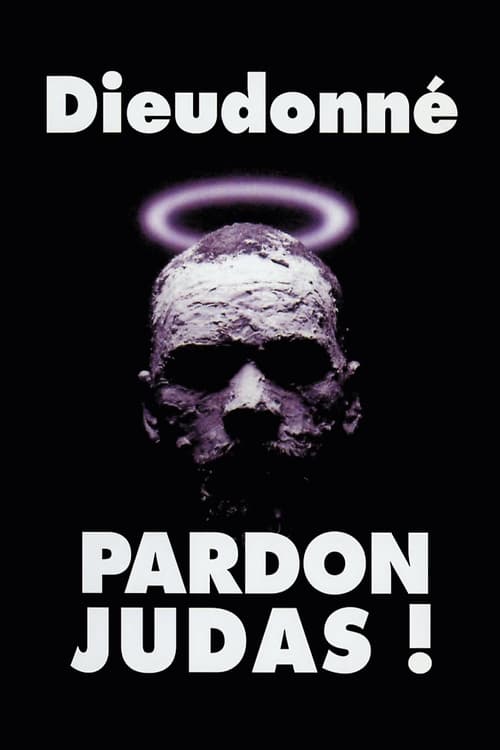
Dieudonné - Pardon Judas !
2000
No user ratings available yet
Diversity score: 5.1 out of 10

2006
Director
Hilaci Attia
Average Rating
No ratings yetSynopsis
Fimed at the Théâtre de la Main d'Or. Dieudonné celebrates the 100th anniversary of the Law on the Separation of Church and State, which was intended to dissolve sectarianism and lead the Republic toward universalism, only to observe its failure... while attempting to analyze the reasons why with humor.
Overall Score
Limited
Category Breakdown
LGBTQ+ Representation
The film focuses entirely on the sociopolitical relationship between the Republic and religious institutions. There are no visible LGBTQ+ characters or narratives addressing non-cisnormative identities.
Gender Representation
The narrative centers on institutional power and the evolution of the Republic. Without evidence of gendered hierarchy subversion, the representation remains neutral and lacks visible gender-based disruption.
Racial & Ethnic Diversity
The film's emphasis on universalism suggests a framework prioritizing civic identity over ethnic distinctions. There is no clear evidence of a diverse cast or non-majority representation.
Religious & Cultural Diversity
The work engages deeply with secularism and the critique of religious influence in public life. It uses comedy to examine the failure of the Law of 1905 to dissolve sectarianism.
Disability Representation
The context provides no mention of characters with visible or invisible disabilities. There is no indication of neurodivergent representation within the film.
Strengths
Areas for Improvement
AI Analysis
Dieudonné - 1905 is a specialized work of sociopolitical satire. It excels at deconstructing the relationship between the state and religious authority, offering a sharp cultural critique of secularism and institutional failure. However, the film lacks intersectional breadth. The narrative architecture is narrow, focusing on historical governance rather than the diverse lived experiences of various demographic groups. While the comedic lens provides a unique perspective on French history, the absence of representation for LGBTQ+ individuals, people with disabilities, and specific racial identities limits its overall inclusivity.
2000
2005
2010

2003
2008

2002
1986

1965
1998

2007
1974
1952
No reviews yet. Be the first to share your thoughts on this movie!
Use the rating form above to leave a star rating and optional review.