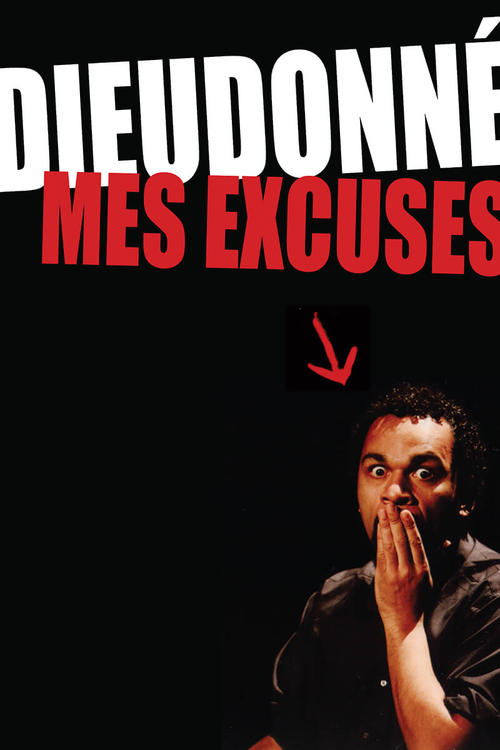
Dieudonné - Mes excuses
2005
No user ratings available yet
Representation score: 4.5 out of 10

Representation Score
Limited
2000
Director
Dieudonné
Runtime
98 minutes
Average Rating
No ratings yetNew Showbiz Analysis
Dieudonné’s comedy offers a speculative reimagining of Judas, shifting the focus from a moment of betrayal to a long-form study of displacement. The film's strength lies in its geographical and theological subversion, moving a Western religious icon into the Algerian desert to challenge traditional outcomes. However, the narrative remains limited by its focus on a single male protagonist. The film lacks diverse gender expressions and does not explore broader social complexities. It also fails to represent a wide range of identities across various categories.
Category Breakdown
The film does not provide any information about gender identity or sexual orientation. There are no characters that challenge traditional gender norms.
The story centers around a single male character. It lacks diverse gender expressions and does not challenge traditional masculine roles.
By relocating a Judeo-Christian figure to the Algerian desert, the film shifts away from Eurocentric settings. This move integrates religious iconography with North African contexts.
The narrative challenges traditional religious views by placing biblical myths in a post-colonial space. It redefines Judas as a wandering subject rather than a static symbol of sin.
The film does not provide any information about the portrayal of physical, neurodivergent, or mental health conditions.
Present on Screen
Limited or Absent
Official Synopsis
After his betrayal, Judas did not go hang himself, but instead embarked on a 2000-year wandering, carrying the weight of infamy (his betrayal of Jesus), before reappearing in the midst of the Algerian desert.
2005

2020
2015

2017

2018

2017

2012

2017
No reviews yet. Be the first to share your thoughts on this movie!
Use the rating form above to leave a star rating and optional review.