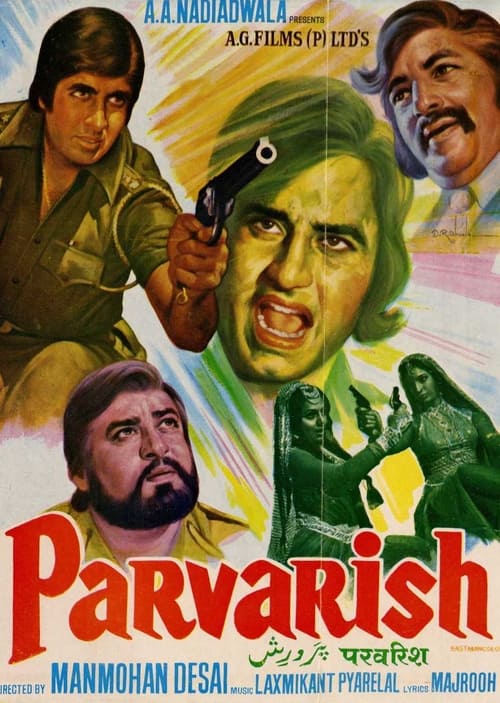
Parvarish
1977
No user ratings available yet
Representation score: 1.5 out of 10
Representation Score
Limited
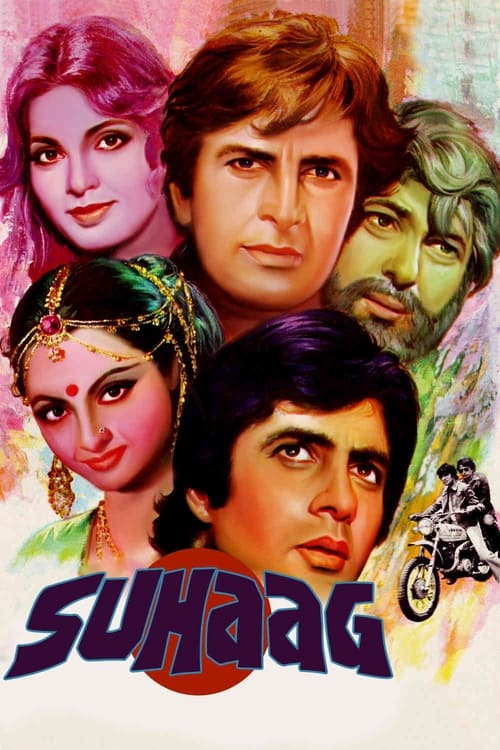
1979
Not RatedDirector
Manmohan Desai
Runtime
164 minutes
Average Rating
No ratings yetNew Showbiz Analysis
Suhaag is a quintessential masala melodrama that prioritizes the restoration of traditional social and familial structures. It functions as a celebration of conventional moral roles, focusing on the reconciliation of a fractured family unit. While the film provides deep representation of South Asian cultural identity, it lacks multi-layered complexity. The narrative architecture is designed to reinforce established hierarchies rather than disrupt them through progressive or subversive storytelling. Ultimately, the film's strength lies in its cultural resonance, but its adherence to patriarchal and straight-centered norms limits its diversity profile.
Category Breakdown
The film adheres to the assumption that everyone is straight or cisgender. There are no queer subtexts or representations of non-cisgender identities.
Gender roles follow traditional 1970s hierarchies. While Durga shows resilience through maternal sacrifice, the central plot drivers and authority figures are predominantly male-centric.
The cast is culturally homogeneous, providing high ability to act to South Asian characters. The narrative centers on indigenous social dynamics without attempting to deconstruct ethnic identity.
The story celebrates traditional values like filial piety and the sanctity of the family unit. It uses moral absolutism to distinguish righteous characters from criminals.
There is no prominent depiction of physical or neurodivergent disabilities. Amit's illiteracy and alcoholism serve as socioeconomic and moral markers rather than nuanced disability studies.
Present on Screen
Limited or Absent
Official Synopsis
Durga and Vikram Singh have been married for years. Vikram has taken to crime in a big way, and as a result has antagonized a rival gangster, Jaggi. Durga gives birth to twins, and Jaggi steals one of them, and sells him to a bootlegger, Pascal. Durga is upset when she finds her son missing, but is devastated when Vikram abandons her. With a lot of difficulty, Durga brings up her son, Kishan, and has given up on finding her other son. Kishan has grown up and is now a dedicated police officer. On the other hand, Pascal has exploited Amit, kept him illiterate, doing petty crime, and alcoholic. This gets him in confrontation with Kishan, but ironically the two settle their differences and become fast friends. Vikram is still alive, and is not aware of his two sons and wife being alive.
1977
1993
1981
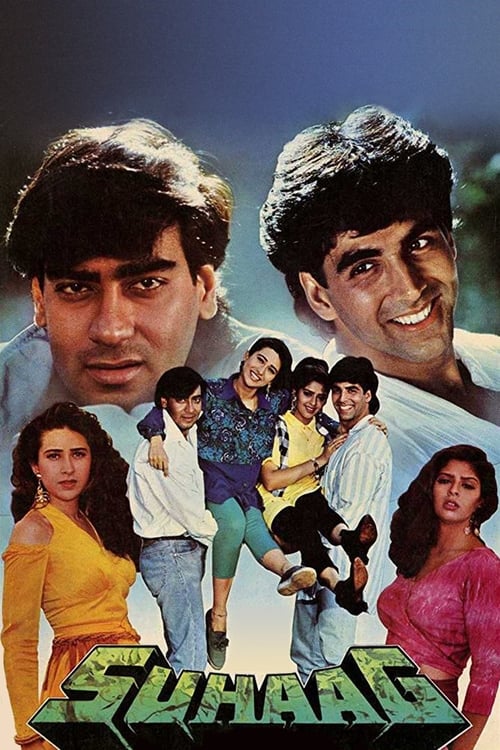
1994
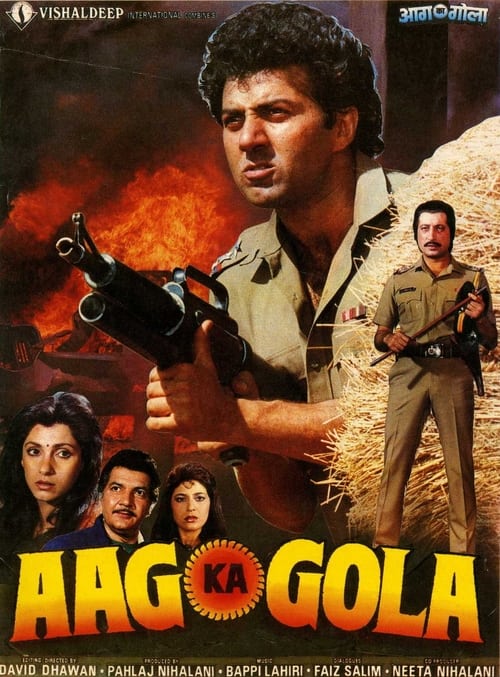
1989
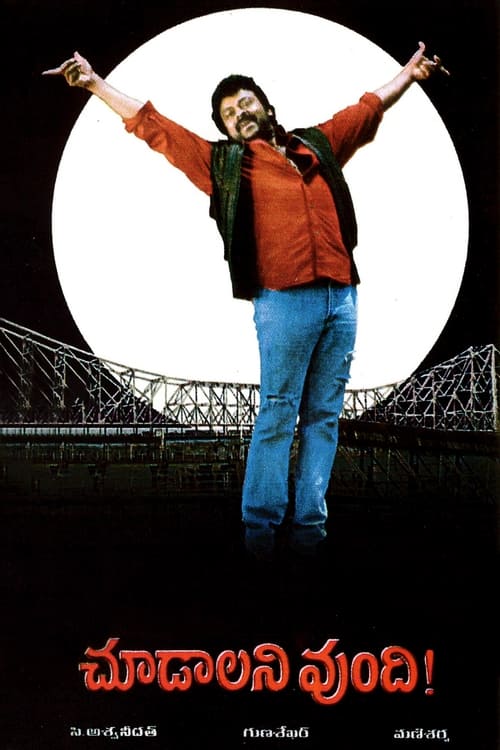
1998

1982
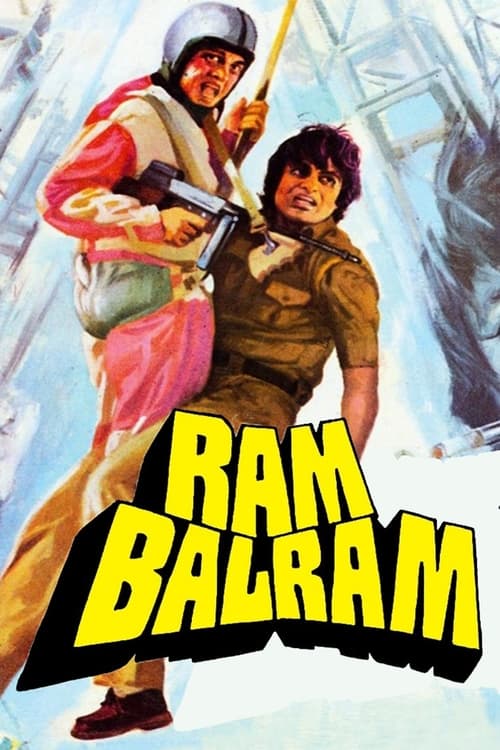
1980
No reviews yet. Be the first to share your thoughts on this movie!
Use the rating form above to leave a star rating and optional review.