Ram Balram
1980
No user ratings available yet
Representation score: 1.9 out of 10
Representation Score
Minimal
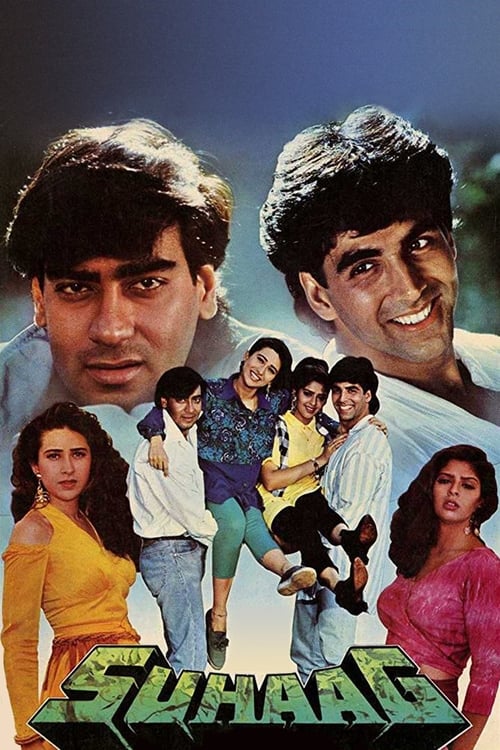
1994
Not RatedDirector
Sandesh Kohli
Runtime
160 minutes
Average Rating
No ratings yetNew Showbiz Analysis
Suhaag is a traditional mid-90s melodrama that follows the genre conventions of its time. The story revolves around restoring a fractured family and seeking personal vengeance against systemic corruption. While the plot addresses themes of institutional injustice, it does so through a lens of patriarchal honor. The narrative structure upholds conventional social hierarchies rather than challenging them. Ultimately, the film provides a typical viewing experience centered on heterosexual values and traditional social structures, offering limited space for diverse or progressive representation.
Category Breakdown
The film focuses on heterosexual relationships and traditional family structures. There are no characters with non-binary genders or same-sex relationships.
Female characters such as Asha play important roles but are mostly portrayed through maternal archetypes. The storyline emphasizes male-driven revenge and the restoration of patriarchal honor.
Set in Bombay, the film touches on migration to Canada. However, the cast and setting seem culturally uniform, without exploring multiple ethnic backgrounds.
The story reinforces existing social norms through a focus on familial honor and legal processes. It aims to restore a traditional family unit without critiquing institutions.
There is no mention of characters dealing with physical, sensory, or neurodivergent disabilities.
Present on Screen
Limited or Absent
Official Synopsis
Collegian Ajay Sharma was born on 2nd April 1968 and lives in Bombay with his widowed mom, Asha. He is friendly with fellow-collegian, the wealthy Raj Sinha, and both often end up getting beat-up by goons and Madhu (Raj's girlfriend) respectively. After they graduate from college, Raj's maternal uncle asks Ajay to bring his birth certificate so that he could make his passport and find work for him in a department store in Canada. Ajay goes home to look for his birth certificate, but is unable to locate. His mother makes a show of helping him, but instead tears a document and tosses it outside. Ajay puts the document together and finds out that his real name is Ajay Malhotra, his father, Dr. Ravi Malhotra, is still alive, serving a life sentence in prison for killing and stealing a patient's organs. Ajay questions his mother and finds out that his dad was framed by the hospital owner, Rai Bahadur. He and Asha meet Ravi in prison and swear to avenge his humiliation.
1980

2014

2013

1983
1994
1979
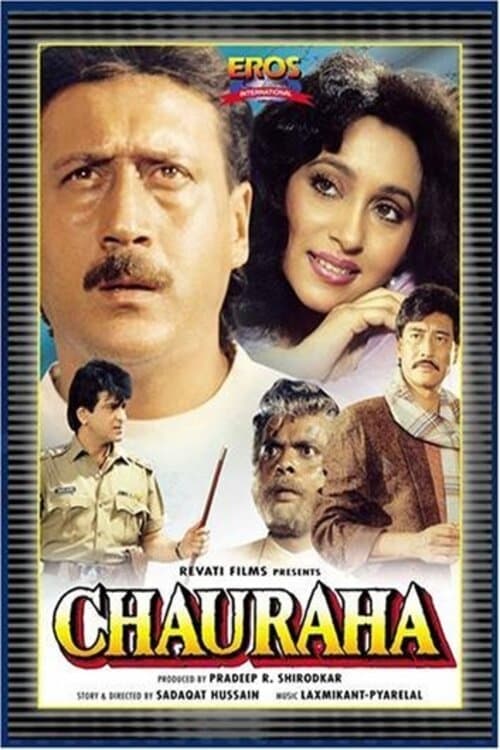
1994
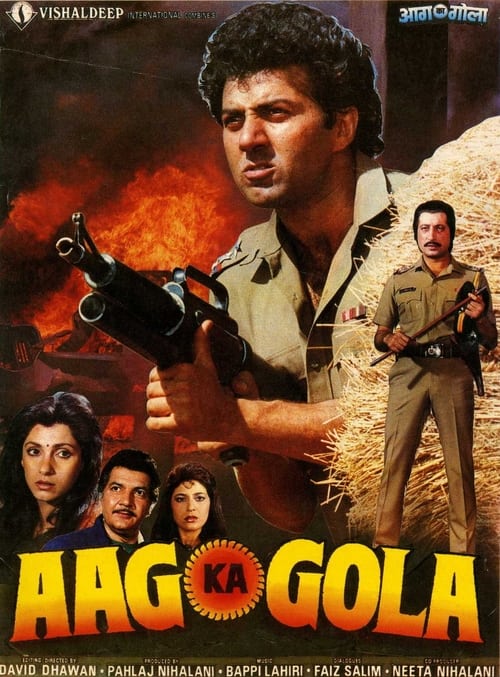
1989
No reviews yet. Be the first to share your thoughts on this movie!
Use the rating form above to leave a star rating and optional review.