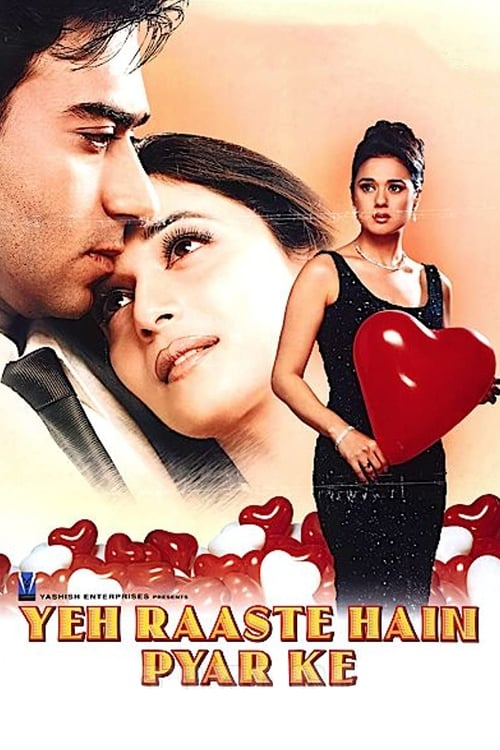
Yeh Raaste Hain Pyaar Ke
2001
No user ratings available yet
Representation score: 1.4 out of 10
Representation Score
Minimal
1993
Director
Satish Kaushik
Runtime
190 minutes
Average Rating
No ratings yetNew Showbiz Analysis
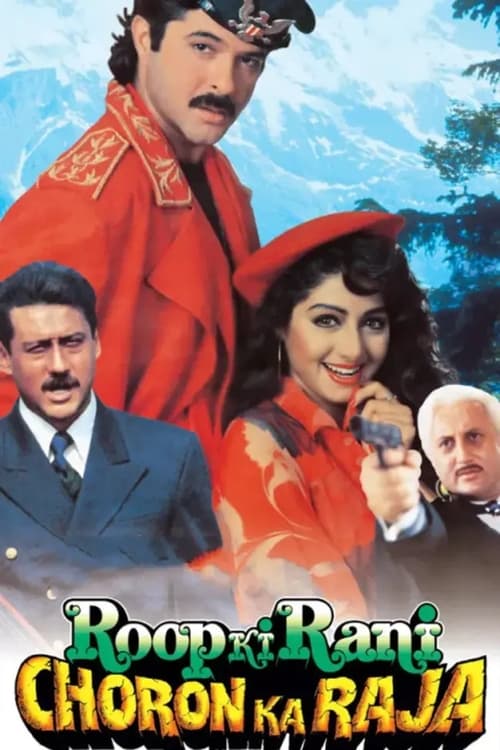
Roop Ki Rani Choron Ka Raja is a traditional 1990s action drama that emphasizes genre clichés over social representation. The narrative centers on cycles of crime and retribution, focusing on male-driven conflicts and traditional gender roles. The film adheres to the social hierarchies of its time, providing a culturally specific experience without delving into multi-layered or multi-ethnic perspectives. It relies on established archetypes of respectability and criminality without challenging systemic norms. Ultimately, the film serves as a traditional piece of mainstream Indian cinema, focusing on personal vengeance and family dynamics within a narrow, straight-centered framework.
Category Breakdown
The film does not include any LGBTQ+ characters or non-cisgender identities. It follows a traditional storyline focused on straight relationships.
The story revolves around a male-centric framework of revenge and theft. Although Seema is a key figure, the main conflicts revolve around male characters and traditional gender roles.
The cast and setting are ethnically uniform within the Indian film industry. It presents a culturally specific narrative without exploring diverse ethnic backgrounds.
The story operates as a traditional morality tale centered on personal justice. It relies on conventional social structures without critiquing authority or capitalism.
There is no mention of characters with visible or invisible disabilities. No elements of neurodivergence or chronic illness are part of the character arcs.
Present on Screen
Limited or Absent
Official Synopsis
Jagmohan Jugral kills his twin brother, Manmohan, in order to escape from Customs Officer Verma. In the chase that follows, Jagmohan also kills Verma, and a doctor, Ashok Soni. With their deaths their children, Ramesh and Seema, are orphaned and end up at an orphanage. Both get separated when Seema is adopted by a respected couple. Ramesh runs away from the orphange and is adopted by Girdharilal, a career thief. Ramesh learns all the skills of thievery from Girdharilal. Ramesh is now grown up a better career thief than Gidharilal, and Seema too has grown up. Both are on the look-out for Jugral, who is now known as a very respectable citizen.
2001
1993
2004

2015
2006
1985

1989
2003
No reviews yet. Be the first to share your thoughts on this movie!
Use the rating form above to leave a star rating and optional review.