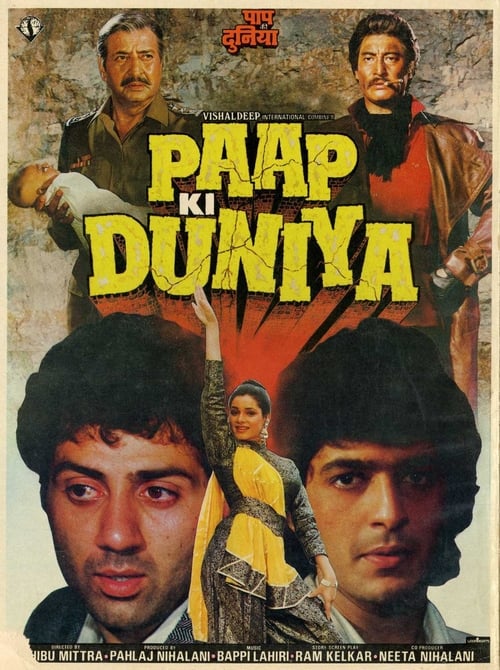
Paap Ki Duniya
1988
No user ratings available yet
Representation score: 1.8 out of 10
Representation Score
Minimal
1989
Director
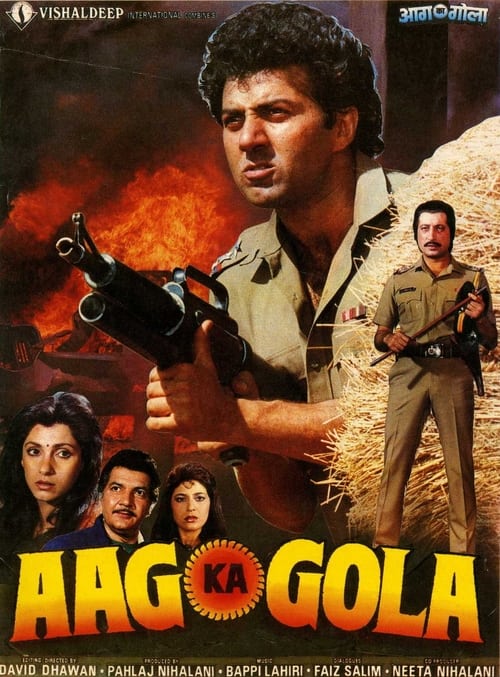
David Dhawan
Runtime
180 minutes
Average Rating
No ratings yetNew Showbiz Analysis
Aag Ka Gola is a traditional melodrama that emphasizes a male-centric journey of guilt and redemption. While it critiques institutional corruption through the protagonist's wrongful arrest, it does so within a framework that reinforces conventional social and family hierarchies. The film relies heavily on established archetypes, using female characters primarily to drive the male protagonist's emotional development rather than giving them independent roles. Consequently, the narrative stays within the boundaries of mainstream storytelling clichés and lacks the complexity needed to address diverse identities or non-traditional structures.
Category Breakdown
The film centers on a heterosexual relationship between Shankar and Aarti. There are no characters with queer identities or non-conforming gender narratives.
Female characters such as Aarti and the mother mainly serve to evoke emotions for the male lead. They do not have their own independent roles in the plot.
The story is set within an Indian social context. It does not explore multi-layered racial dynamics or ethnic hierarchies.
The narrative upholds traditional social and religious hierarchies, emphasizing maternal sanctity and restorative justice. It adheres to a model where service to the state is paramount.
The story does not include characters dealing with physical, sensory, or neurodivergent conditions.
Present on Screen
Limited or Absent
Official Synopsis
Young Shankar is framed for a theft he did not commit. He escapes from police and runs into his mother's arms. When Shankar's mother sees Shankar being arrested by police, she dies due to shock. Shankar escapes from the police and ends up working for criminal don Raja Babu. He is now known as 'Shaka'. One day Raja Babu ask Shaka to abduct a child. The child's mother dies due to shock. This reminds Shaka(Shankar) of his own mother dying due to shock. He repents, surrenders to police and is sent to jail for 5 years. His three years punishment is condoned when he saves the life of a visiting parliamentarian. After being released from jail, he decides to live the life of an ordinary civilian and works as a garage mechanic. He meets Aarti, falls in love and they marry. But Shankars past starts haunting him to such an extent that he sees no choice except joining the crime gang of Raja Babu.
1988

1994
1988
1994
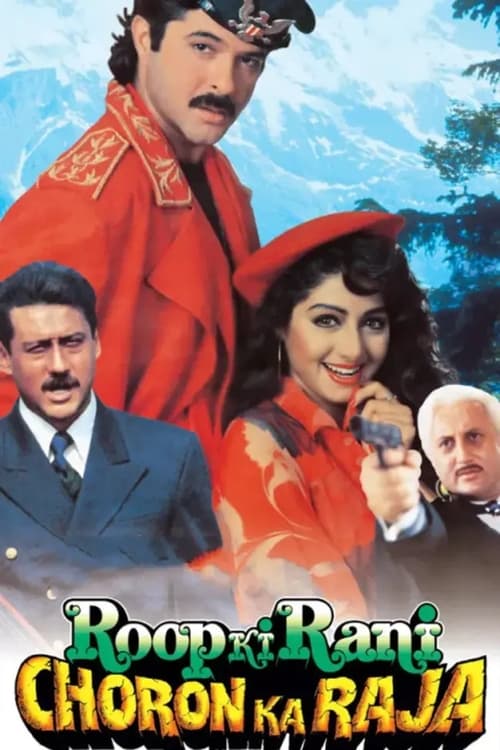
1993
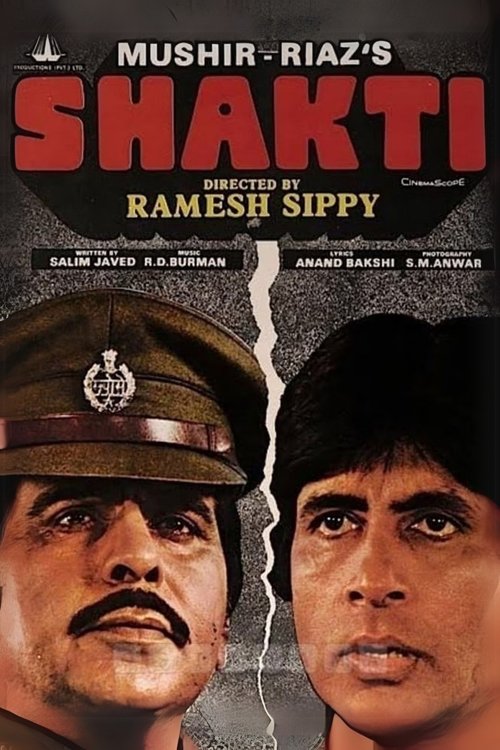
1982
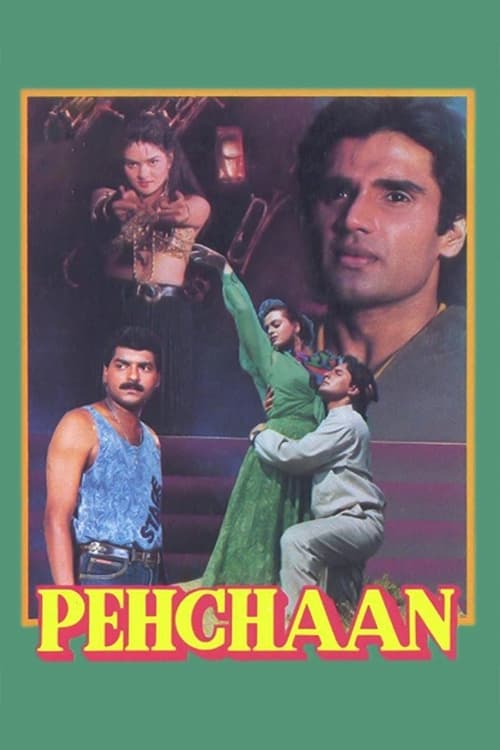
1993
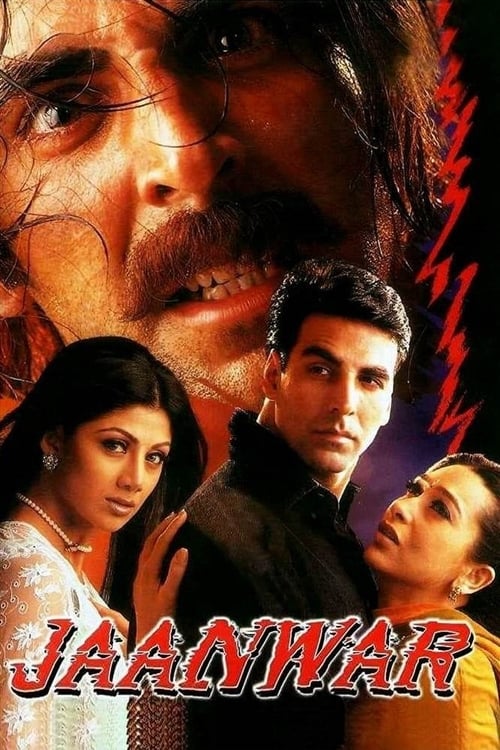
1999
No reviews yet. Be the first to share your thoughts on this movie!
Use the rating form above to leave a star rating and optional review.