Scream 3
2000
No user ratings available yet
Representation score: 7.0 out of 10
Representation Score
Good
2011
RDirector
Wes Craven
Runtime
111 minutes
Average Rating
No ratings yetNew Showbiz Analysis
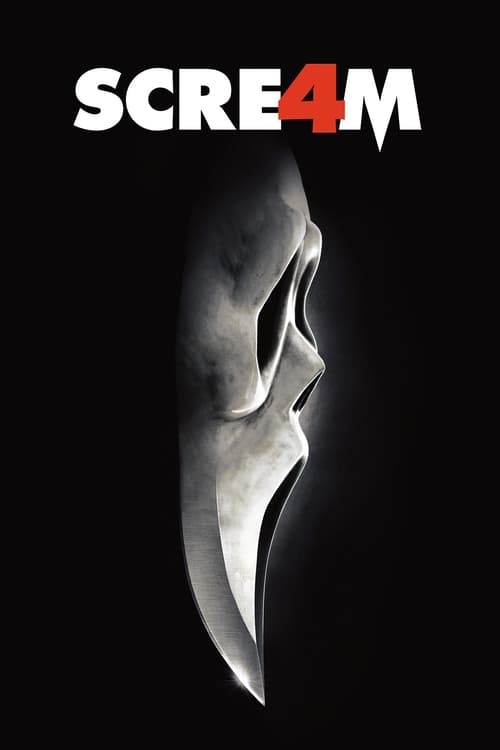
Scream 4 effectively critiques media consumption in the digital age, using its self-aware narrative to explore how fame and media reshape identity. It stands out by reimagining the motivations of its female characters beyond mere survival, thus subverting traditional horror clichés. However, the film falls short in representing LGBTQ+ individuals, people with disabilities, and those with multi-layered identities. These absences limit its overall diversity score. The film's strength lies in its insightful commentary on fame and the erosion of traditional authority, even though it misses opportunities to broaden its social inclusivity.
Category Breakdown
The film focuses on straight relationships and does not include any queer perspectives or non-traditional gender identities.
The film challenges the 'Final Girl' cliché by giving Jill Roberts a prominent role driven by fame rather than victimhood. It also passes the Bechdel test with conversations between women that aren't centered around men.
The casting includes a mix of actors representing different ethnicities, but the story doesn't delve deeply into multi-layered identities or use race to challenge societal hierarchies.
The film critiques the modern digital economy and celebrity culture, showing how the pursuit of online fame disrupts traditional moral and authority structures.
There is no significant portrayal of physical or cognitive disabilities. Characters are defined by their social status rather than any disability-related experiences.
Present on Screen
Limited or Absent
Official Synopsis
Fifteen years after the original Woodsboro murders, Sidney Prescott returns home to promote her new book about surviving trauma, only for a new Ghostface killer to emerge, targeting a new group of teens.
2000
2010
1997

1974

1996
1986
2021
2011
No reviews yet. Be the first to share your thoughts on this movie!
Use the rating form above to leave a star rating and optional review.