
The Lost Alibi
1960
No user ratings available yet
Representation score: 3.5 out of 10
Representation Score
Limited
1965
Director
Antoine d'Ormesson
Runtime
80 minutes
Average Rating
No ratings yetNew Showbiz Analysis
The film functions as a psychological exploration of individual instability rather than a vehicle for broader societal representation. It successfully challenges traditional gender roles by presenting a female lead who acts outside conventional domestic or moral boundaries. However, the narrative remains anchored in a mid-century European thriller framework. It does not engage significantly with issues related to race, LGBTQ+ identities, or disabilities.
Category Breakdown
The film centers on a heterosexual relationship between Elisa and Philippe. It does not include any characters with non-cisgender identities or challenge the assumption that everyone is straight.
Elisa breaks away from traditional feminine roles by actively causing chaos and manipulating the male protagonist through psychological tactics. This challenges typical gender hierarchies.
Set near Marseille, the film seems to focus on a homogeneous European cast. The story does not prioritize exploring multiple aspects of identity.
The story examines moral relativism by questioning traditional social stability. Elisa's actions critique traditional altruism and the reliability of social institutions.
The film includes psychological states such as paranoia and fantasy but does not explore these through the lens of neurodivergence. Characters with disabilities do not play a significant role in the plot.
Present on Screen
Limited or Absent
Official Synopsis
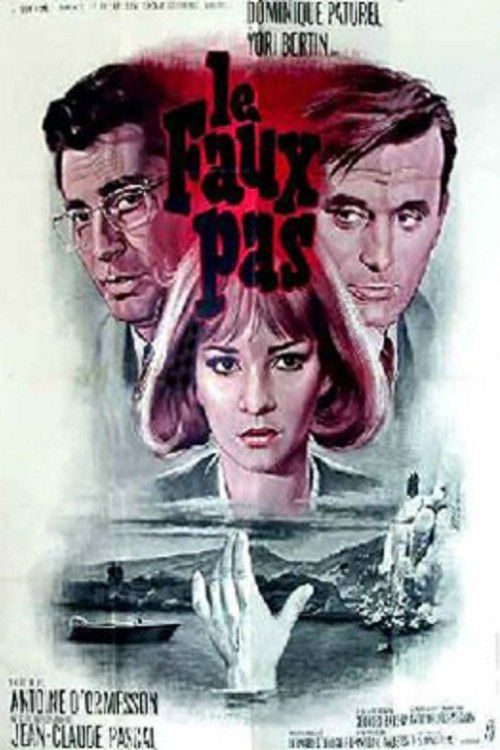
During a walk along the cliffs not far from Marseille, Elisa Langerot sees her husband slip and fall to his death. Inexplicably, Elisa flees the scene of the accident, stops a passing driver and tells him a made-up story about a stolen car, concealing her husband's death. Feeling sorry for the girl, the driver, Philippe Morçot, gives her a lift and later lets her stay at his house. The good deed, however, doesn't go unpunished, and soon Philippe is drawn into Elisa's twilight world of fantasies, lies and paranoia.
1960
1964

1956
1955

2022
1964
1978

1956
No reviews yet. Be the first to share your thoughts on this movie!
Use the rating form above to leave a star rating and optional review.