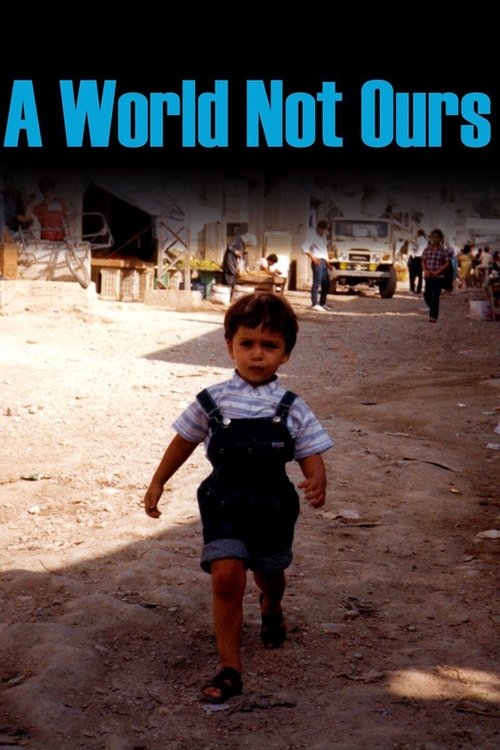
A World Not Ours
2014
No user ratings available yet
Representation score: 3.9 out of 10
Representation Score
Good
1998
Director
Mai Masri
Runtime
50 minutes
Average Rating
No ratings yetNew Showbiz Analysis
Mai Masri’s documentary stands out by challenging conventional Western-centric historical perspectives. By providing video cameras to the children of the Shatila camp, the film shifts the focus from the traditional victim narrative to a complex study of ability to act and identity. The work's strength lies in its post-colonial framework, which centers the overlapping experiences of poverty, displacement, and ethnic identity. It moves beyond simple inclusion to allow a underrepresented population to articulate their own reality. While the film lacks LGBTQ+ representation, it offers a deep exploration of ethnic and cultural identity. It successfully challenges the dominance of mainstream historical documentation through a self-authored lens.
Category Breakdown
The documentary focuses on the immediate survival and historical trauma of refugee populations. There are no LGBTQ+ characters or narratives featured in the film.
The film highlights the significant role of women within communal structures and challenges traditional patriarchal hierarchies by centering the perspectives of young girls like Farah.
This film explores ethnic identity and statelessness through a predominantly non-Western cast. The use of children's own footage provides an authentic, self-authored perspective on their identity.
The narrative critiques Western institutional failures through a post-colonial lens. It emphasizes the subjective morality of the displaced against oppressive geopolitical structures.
The film documents the psychological and physical consequences of trauma resulting from siege and starvation. These conditions are presented with dignity rather than as mere spectacle.
Present on Screen
Limited or Absent
Official Synopsis
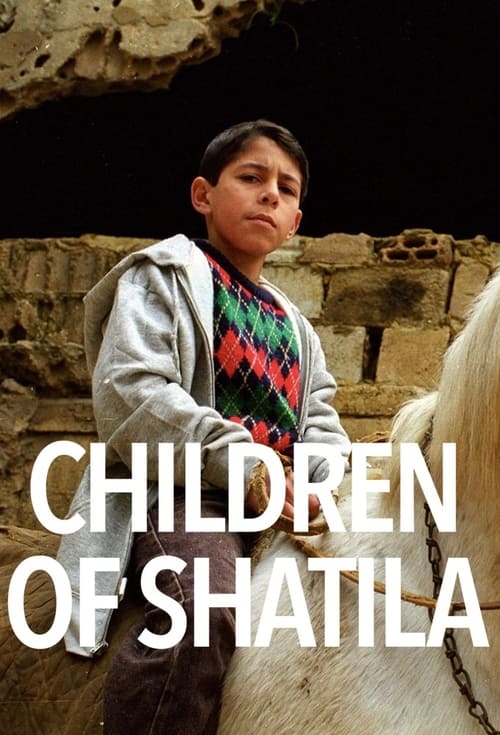
Many people first became aware of the Shatila refugee camp in Lebanon after the shocking and horrific Sabra-Shatila massacre that took place there in 1982. Located in Beirut's "belt of misery," the camp is home to 15,000 Palestinians and Lebanese who share a common experience of displacement, unemployment and poverty. Fifty years after the exile of their grandparents from Palestine, the children of Shatila attempt to come to terms with the reality of being refugees in a camp that has survived massacre, siege and starvation. Director Mai Masri focuses on two Palestinian children in the camp: Farah, age 11 and Issa, age 12. When these children are given video cameras, the story of the camp evolves from their personal narratives as they articulate the feelings and hopes of their generation.
2014
1998
2016
2011
1976
2004
2002
2019
No reviews yet. Be the first to share your thoughts on this movie!
Use the rating form above to leave a star rating and optional review.