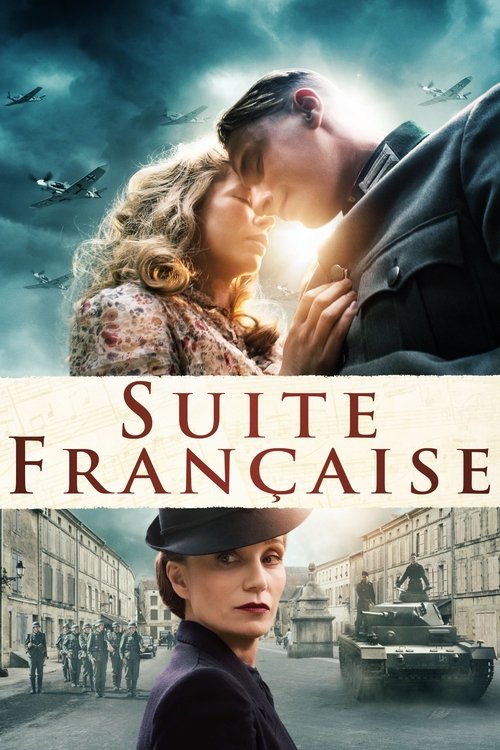
Suite Française
2015
No user ratings available yet
Representation score: 2.5 out of 10

Representation Score
Limited
1943
NRDirector
Michael Powell, Emeric Pressburger
Runtime
163 minutes
Average Rating
No ratings yetNew Showbiz Analysis
The film presents a striking contrast between its traditional casting and its progressive themes. While the cast is predominantly Anglo-Saxon, the narrative questions the institutions it portrays. The film avoids clichés by challenging the romanticized structures of the British Empire, despite its homogeneous demographic profile.
Category Breakdown
The film does not include any LGBTQ+ characters or non-straight relationships. Romantic storylines focus solely on heterosexual relationships within a traditional framework.
Female characters play a significant role in driving the protagonist's growth, but they are often defined by their relationships to the male lead.
The film focuses almost exclusively on the British officer class and lacks diverse racial or ethnic representation, reflecting the homogeneous social hierarchy of the time.
The film offers a nuanced critique of the 'gentlemanly code' and imperialist ideals. It examines the outdated moral frameworks of the Victorian era in the context of modern warfare.
The film does not depict any central narrative elements related to physical or neurodivergent disabilities.
Present on Screen
Limited or Absent
Official Synopsis
General Candy, who's overseeing an English squad in 1943, is a veteran leader who doesn't have the respect of the men he's training and is considered out-of-touch with what's needed to win the war. But it wasn't always this way. Flashing back to his early career in the Boer War and World War I, we see a dashing young officer whose life has been shaped by three different women, and by a lasting friendship with a German soldier.
2015

1932
1999

1927

1971

1940

2001

1949
No reviews yet. Be the first to share your thoughts on this movie!
Use the rating form above to leave a star rating and optional review.