Talking Horse Sense
1959
No user ratings available yet
Representation score: 0.8 out of 10
No Poster Available
Representation Score
Minimal
1964
ApprovedDirector
Seymour Kneitel
Runtime
7 minutes
Average Rating
No ratings yetNew Showbiz Analysis
Laddy and His Lamp functions as a standard folkloric adaptation of the Aladdin tale. It adheres to the mid-century animation norms of the 1960s, prioritizing archetypal storytelling over social complexity. The film relies on established cultural clichés rather than challenging them. The production reflects a traditionalist approach to animation. It focuses on a singular, conventional moral framework, avoiding multi-layered narratives. This results in a narrative that upholds established archetypes rather than questioning them. While the film utilizes a non-Western setting, it likely does so through a stylized lens. The lack of nuanced ethnic representation or systemic critiques keeps the representation within the bounds of mid-century studio standards.
Category Breakdown
The film follows a traditional 1960s studio perspective of a Middle Eastern folk tale. It lacks any evidence of non-binary or same-sex relationships.
The main character drives the plot, but female characters may serve as passive romantic goals. The film reinforces traditional gender roles typical of mid-century animation.
The setting is Eastern, reflecting the Arabian Nights mythos. However, it likely relies on stereotypical representations rather than nuanced ethnic diversity.
The narrative centers on conventional morality and magical elements. It lacks any critique of Western institutions or deconstruction of traditional family structures.
There is no evidence of characters with physical or neurodivergent disabilities within the story.
Present on Screen
Limited or Absent
Official Synopsis
A re-telling of Aladdin, with the magic lamp and the genie featured.
1959
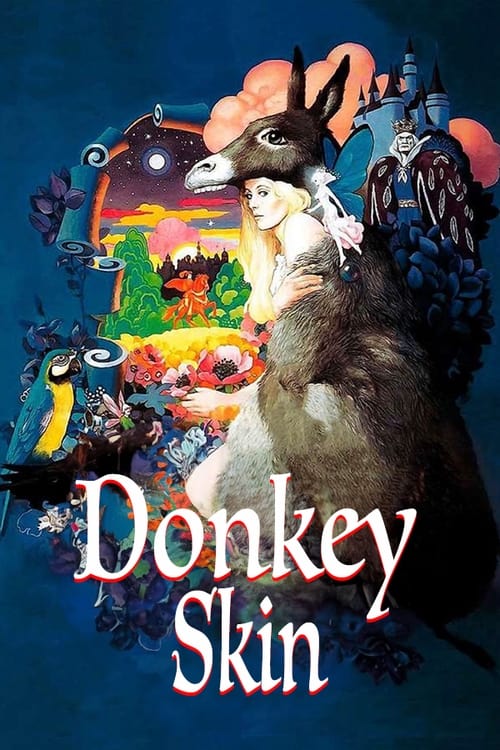
1970
1960
1964
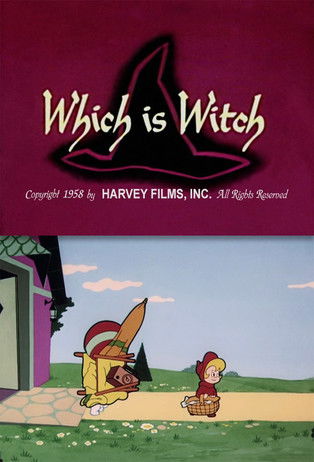
1958
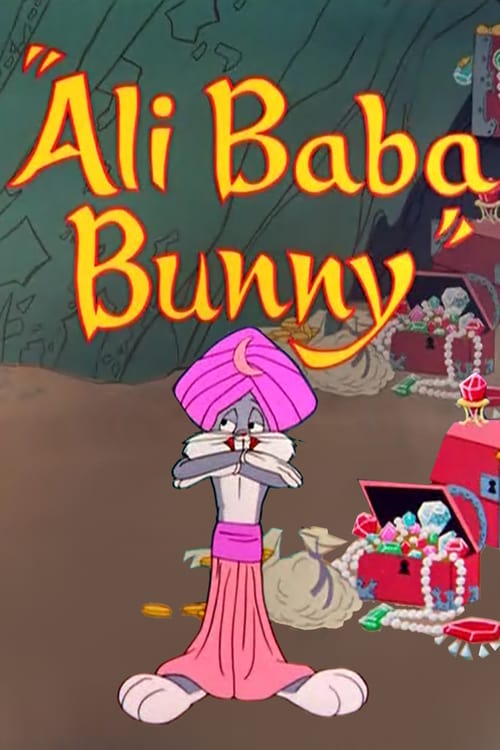
1957
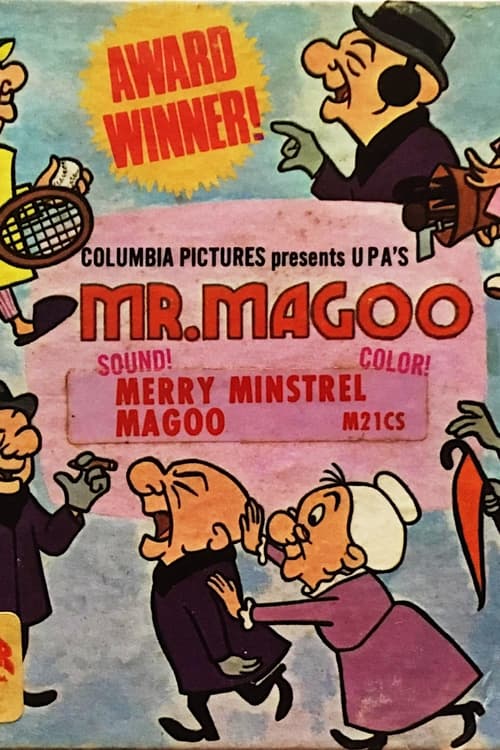
1959
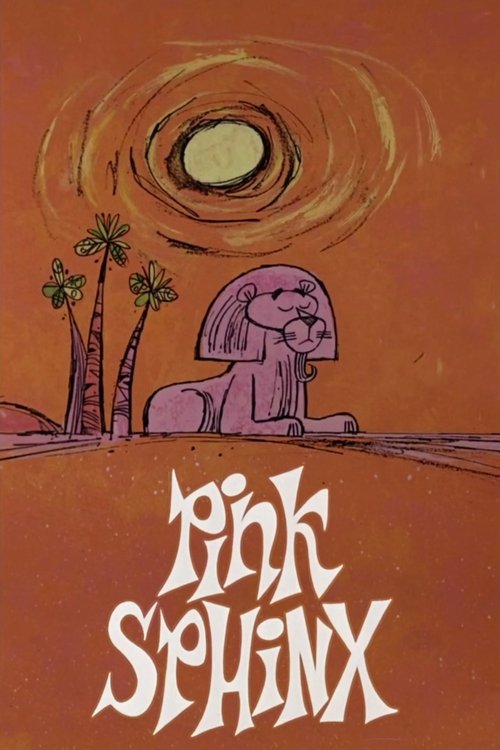
1968
No reviews yet. Be the first to share your thoughts on this movie!
Use the rating form above to leave a star rating and optional review.