Nearlyweds
1957
No user ratings available yet
Representation score: 1.1 out of 10
Representation Score
Minimal
1949
TV-PGDirector
Seymour Kneitel
Runtime
6 minutes
Average Rating
No ratings yetNew Showbiz Analysis
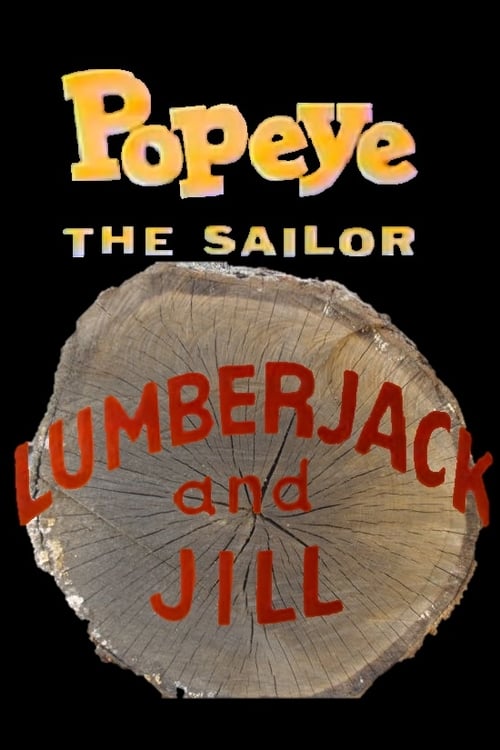
Lumberjack and Jill functions as a standard comedic short that upholds established social hierarchies. The narrative relies heavily on mid-century clichés, particularly regarding gender and romantic structures. The film lacks any meaningful characters who reflect more than one aspect of diversity or narrative complexity. It focuses on a homogeneous ensemble and traditional Western social dynamics, offering little in the way of cultural commentary or diverse perspectives. Ultimately, the animation reinforces conventional archetypes rather than challenging them, serving as a simple diversion through slapstick and physical competition.
Category Breakdown
The film follows a strictly straight-centered framework. The central conflict revolves around a romantic competition between two men for a single woman's attention.
The film portrays Olive Oyl as a passive object of desire rather than an active participant. Traditional roles of male competition and female receptivity are reinforced.
The cast is homogeneous and lacks racial or ethnic diversity. Characters reflect a culturally monolithic perspective typical of 1949 animation.
The narrative operates within a traditional Western framework without engaging in systemic critiques. It lacks engagement with secularism or religious deconstruction.
No characters with visible or invisible disabilities are given significant roles. Physical vulnerability is used for comedic effect.
Present on Screen
Limited or Absent
Official Synopsis
Popeye and Bluto are lumberjacks who compete for the affections of their new cook, Olive Oyl.
1957
1956
1954
1947
1933
1957
1937
1937
No reviews yet. Be the first to share your thoughts on this movie!
Use the rating form above to leave a star rating and optional review.