
Samundar
1986
No user ratings available yet
Representation score: 1.3 out of 10
Representation Score
Minimal
1988
Director
Shibu Mitra
Runtime
145 minutes
Average Rating
No ratings yetNew Showbiz Analysis
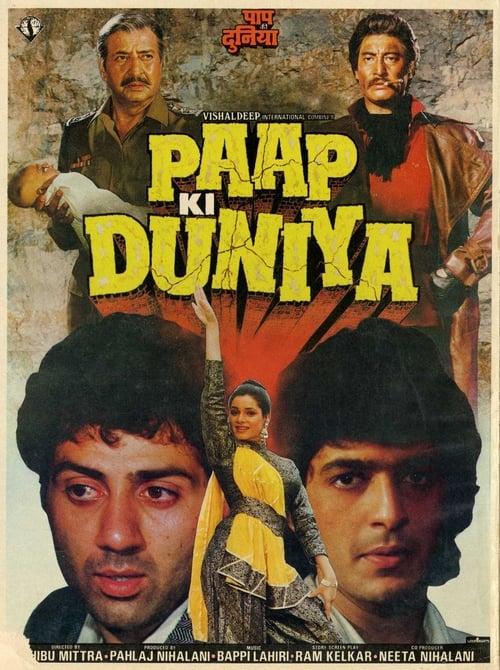
Paap Ki Duniya is a traditional crime melodrama that relies on well-known genre clichés. The plot revolves around a straightforward battle between underworld figures and law enforcement, emphasizing personal morality over systemic issues. The film upholds existing social norms without challenging them. The protagonist's journey is centered on choosing between a life of crime and a conventional romantic relationship, keeping the narrative within traditional boundaries. Overall, the film serves as a straightforward character study of redemption. It lacks the complexity necessary to provide nuanced perspectives on multiple aspects of identity or to question the status quo of its time.
Category Breakdown
The film focuses on a traditional heterosexual relationship without depicting any non-straight or non-cisgender identities.
Aarti's role is mainly reactive to the male lead's actions. She is defined by her response to his crimes rather than her own active involvement in the story.
The cast is made up of actors from similar ethnic backgrounds, reflecting the typical casting practices of Indian cinema in 1988. The film does not challenge social norms through diverse casting.
The story highlights the conflict between criminal subcultures and the law, focusing on individual morality without critiquing broader societal or political structures.
There are no visible or hidden disabilities represented in the narrative. The film does not include any characters with neurodevelopmental conditions.
Present on Screen
Limited or Absent
Official Synopsis
Gangster Pasha has brought up young Suraj as his own son, and has taught him all the skills needed for theft, break & enter, and acting as a hitman. Years later, Suraj has grown up and has become an expert in these skills. The law does catch up to him, and he is imprisoned. When he completes his sentence, he re-enters his world of crime with Pasha. One day he meets up with beautiful Aarti, and falls in love with her. Aarti too is attracted to him, and eventually falls in love with him. When Aarti finds out about his profession, she is dismayed and shocked, and will not have anything to do with him, unless and until he promises to give up on this career. Suraj does so, only to find Aarti's boyfriend Inspector Vijay to out to arrest him by hook or by crook on one hand, and on the other Pasha has ordered his death.
1986

1959
1989
1982
2004
1988

1988

1997
No reviews yet. Be the first to share your thoughts on this movie!
Use the rating form above to leave a star rating and optional review.