
Yuva
2004
No user ratings available yet
Representation score: 6.3 out of 10
Representation Score
Limited
1987
Not RatedDirector
Mani Ratnam
Runtime
156 minutes
Average Rating
No ratings yetNew Showbiz Analysis
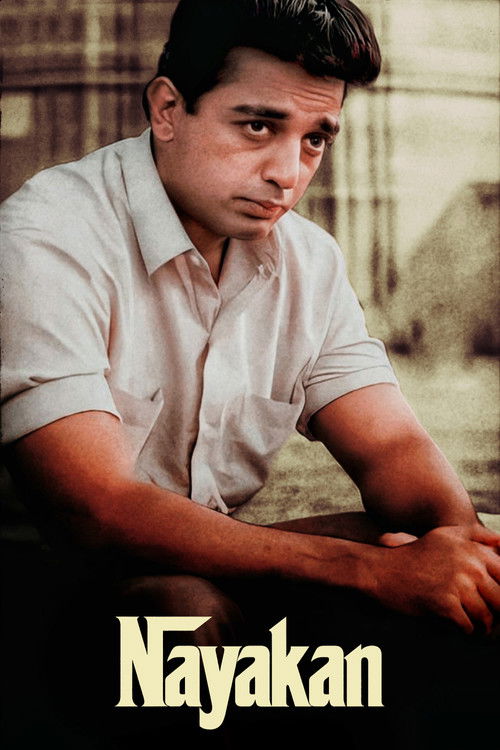
Nayakan is a deep exploration of how underrepresented identities create their own systems of order when the social contract fails. It redefines the traditional hero archetype by presenting organized crime as a communal survival mechanism rather than mere deviance. The film's strength lies in its nuanced portrayal of socioeconomic and cultural dynamics, focusing on the struggles of those at the bottom of the social hierarchy. However, it remains constrained by its 1987 setting, adhering to traditional gender roles and a strictly straight-centered framework, lacking representation for LGBTQ+ identities and disability.
Category Breakdown
The film follows a traditional focus on straight relationships, with no representation of LGBTQ+ identities or critiques of the assumption that everyone is straight.
The story centers around male-driven power dynamics. Female characters offer emotional support and moral guidance but do not challenge the existing patriarchal structure.
The film effectively showcases the socioeconomic and caste-related divisions. It highlights the ability to act of urban poor and underrepresented communities as they navigate systemic oppression.
The story provides a sophisticated critique of Western-style legal systems. It portrays vigilantism as a necessary response to predatory and ineffective state structures.
There are no prominent depictions of physical or neurodivergent disabilities used as central character drivers or plot devices.
Present on Screen
Limited or Absent
Official Synopsis
Velu Naicker, who witnesses the brutal murder of his father, kills a corrupt policeman and escapes to Mumbai, only to become a gangster.
2004
2011
1983
2018
1993
1998

2015
2006
No reviews yet. Be the first to share your thoughts on this movie!
Use the rating form above to leave a star rating and optional review.