
King of Kotha
2023
No user ratings available yet
Representation score: 1.9 out of 10
Representation Score
Fair
2006
Not RatedDirector
Selvaraghavan
Runtime
179 minutes
Average Rating
No ratings yetNew Showbiz Analysis
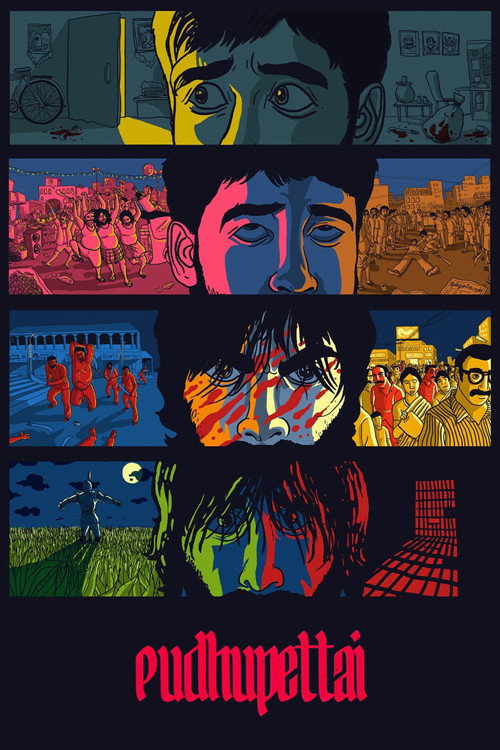
Pudhupettai is a gritty deconstruction of the gangster archetype that prioritizes systemic critique over demographic breadth. While it lacks representation for LGBTQ+ identities and women, it finds strength in its authentic portrayal of Chennai's socioeconomic realities. The film's power lies in its cultural commentary, portraying political and social structures as predatory. It replaces the traditional 'heroic' gangster with a volatile, psychologically unstable figure, offering a postmodern view of morality. Ultimately, the film trades traditional inclusivity for a deep, localized exploration of how corruption and environment shape human behavior.
Category Breakdown
The film focuses almost exclusively on hyper-masculine power dynamics and heterosexual relationships. There is no presence of LGBTQ+ or non-assuming gender matches what was assigned at birth identities, and it does not challenge the assumption that everyone is straight or cisgender.
The narrative structures are heavily centered around male-dominated hierarchies. Female characters often play secondary roles, functioning on the periphery of the protagonist's violent trajectory within traditional patriarchal power structures.
The story provides a concentrated look at the urban Tamil experience in Chennai's slums. It offers significant depth to a demographic often underrepresented in mainstream commercial cinema.
The film excels in critiquing established institutions like politics and law. It frames crime as a systemic response to an oppressive, corrupt environment rather than a simple moral failing.
There is no significant or intentional representation of physical or neurodivergent disabilities. The protagonist's psychotic traits serve character volatility rather than a nuanced exploration of mental health.
Present on Screen
Limited or Absent
Official Synopsis
The story of ‘Kokki’ Kumar, a carefree teenager from a Chennai slum who runs away from home in the wake of his mother’s death, gets recruited into a local gang and quickly evolves into the dreaded, psychotic right-hand man of a dirty politician.
2023
2018

2007

2009

2007

2011

2005

2004
No reviews yet. Be the first to share your thoughts on this movie!
Use the rating form above to leave a star rating and optional review.