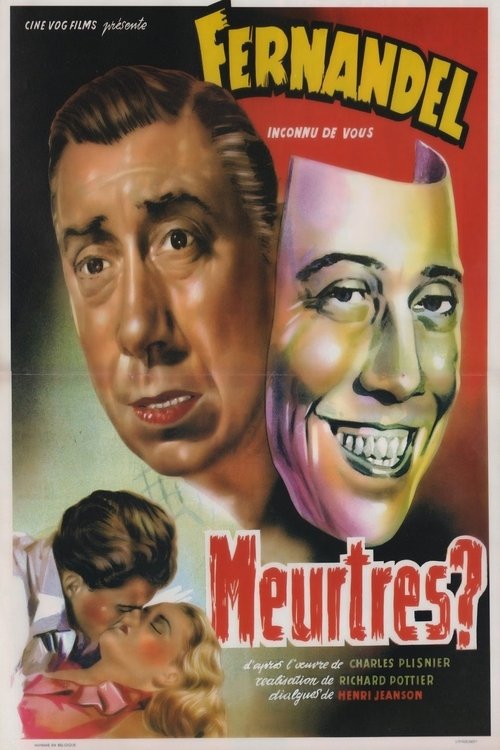
Three Sinners
1950
No user ratings available yet
Representation score: 3.3 out of 10
Representation Score
Minimal
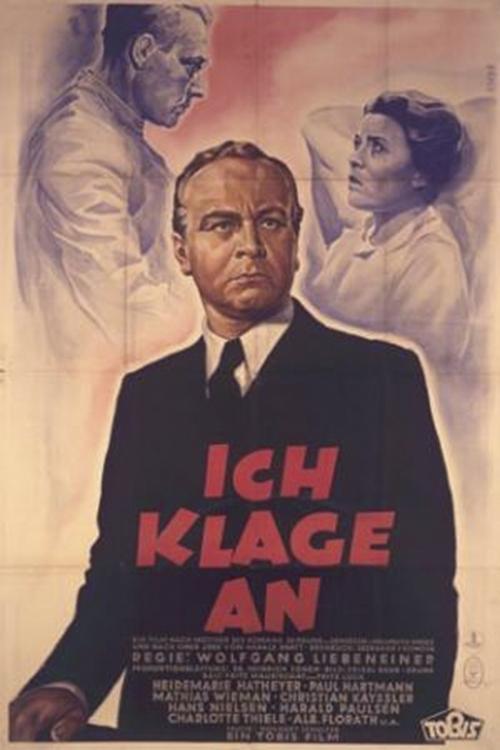
1941
Director
Wolfgang Liebeneiner
Runtime
125 minutes
Average Rating
No ratings yetNew Showbiz Analysis
I Accuse promotes a rigid social hierarchy through its narrative structure. The film deliberately avoids showing diverse perspectives, instead reinforcing authoritarian and exclusionary structures. The lack of diversity is a deliberate choice rather than an oversight. By presenting individual morality as an obstacle to national unity, the film undermines the values of personal autonomy and multi-layered identity. Ultimately, the film prioritizes collective identity over individual rights, presenting a worldview where the preservation of the collective justifies the suppression of individual ability to act.
Category Breakdown
The film does not include any representation of LGBTQ+ identities or non-straight relationships. It focuses solely on traditional heterosexual and cisgender roles.
Gender roles are emphasized through a female protagonist who primarily serves the collective good. Masculinity is portrayed through positions of authority and leadership.
The film features a homogeneous cast that fits specific racial stereotypes. There is no representation of diverse racial or ethnic backgrounds.
Personal emotions and family loyalty are portrayed as conflicting with the needs of the nation, suggesting that individual conscience is subversive.
Multiple sclerosis is used to explore debates around euthanasia, but the condition is not shown in a nuanced way that reflects the lived experiences of those with disabilities.
Present on Screen
Limited or Absent
Official Synopsis
In this film, the wife of a renowned doctor becomes ill with multiple sclerosis. Trying to spare her beloved husband the ordeal, the woman turns to a family friend, Dr. Lang, to help end her life. When this doctor declines to help with the assisted suicide, however, she is forced to turn to her husband. After much soul-searching, Dr. Heyt, her husband, assists in her suicide. The act, however, is witnessed by a chambermaid, who reports him to the police. Dr. Heyt is put on trial for murder and, at first, Dr. Lang testifies against him in court. Soon, however, Dr. Lang is faced with a similar case in his professional practice and this, along with Dr. Heyt’s impassioned performance in court, convinces Dr. Lang that, in some instances, mercy killing may be the right thing to do.
1950
1971
1962

2021
1948

1952

2004
1950
No reviews yet. Be the first to share your thoughts on this movie!
Use the rating form above to leave a star rating and optional review.