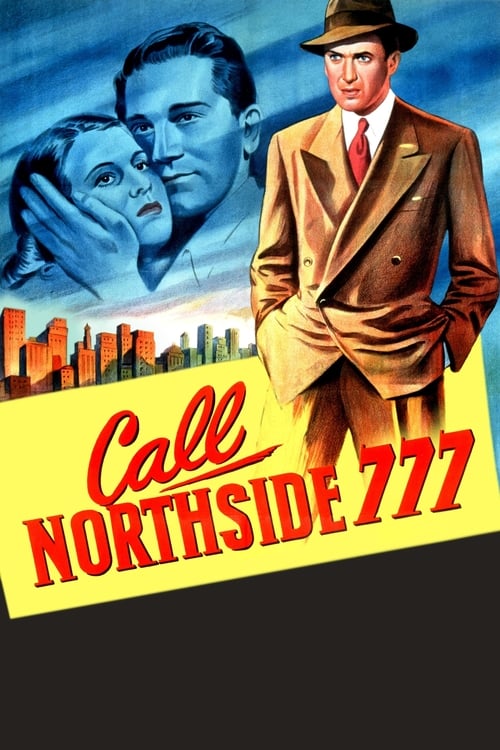
Call Northside 777
1948
No user ratings available yet
Representation score: 1.6 out of 10
Representation Score
Minimal
1959
ApprovedDirector
Richard Fleischer
Runtime
103 minutes
Average Rating
No ratings yetNew Showbiz Analysis
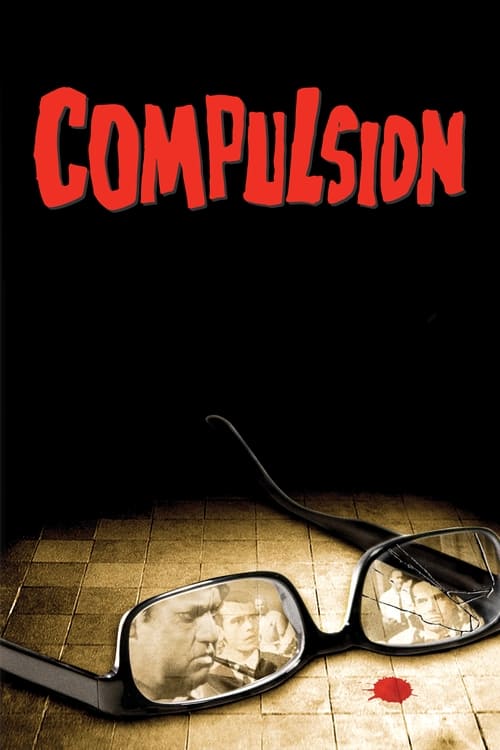
Compulsion is a classic mid-century psychological thriller that emphasizes suspense and moral inquiry over diverse representation. The narrative structure revolves around traditional social hierarchies and male-driven conflict. The film adheres to the formal constraints of 1950s studio filmmaking, focusing on individual guilt and ethical dilemmas within a narrow, homogeneous social context. It lacks the breadth needed for modern inclusive storytelling, reinforcing the social norms of its time.
Category Breakdown
The film sticks to traditional structures and does not include any queer subtext or non-cisgender identities.
The story focuses mainly on two male characters, emphasizing their psychological conflicts. Female characters play minor roles as plot catalysts without much depth or influence.
The cast is mostly white and middle-class, reflecting the demographic uniformity of 1950s urban dramas. There is no intentional inclusion of diverse ethnic backgrounds.
The film examines moral relativism and the tension between law and ethics, but frames these issues as personal dilemmas rather than societal critiques.
Spectacles are used as a key forensic element, but there is no meaningful depiction of lived disability. Psychological instability is portrayed through the lens of the time, viewing it as madness.
Present on Screen
Limited or Absent
Official Synopsis
Two close friends' plan to execute a flawless crime is crushed when one of them inadvertently leaves his glasses at the crime scene.
1948

1967
1996

1989
1957
1959

1991
1958
No reviews yet. Be the first to share your thoughts on this movie!
Use the rating form above to leave a star rating and optional review.