Papa, Mama, the Maid and I
1954
No user ratings available yet
Diversity score: 2.8 out of 10
1958
ApprovedDirector
Blake Edwards
Runtime
93 minutes
Average Rating
No ratings yetSynopsis
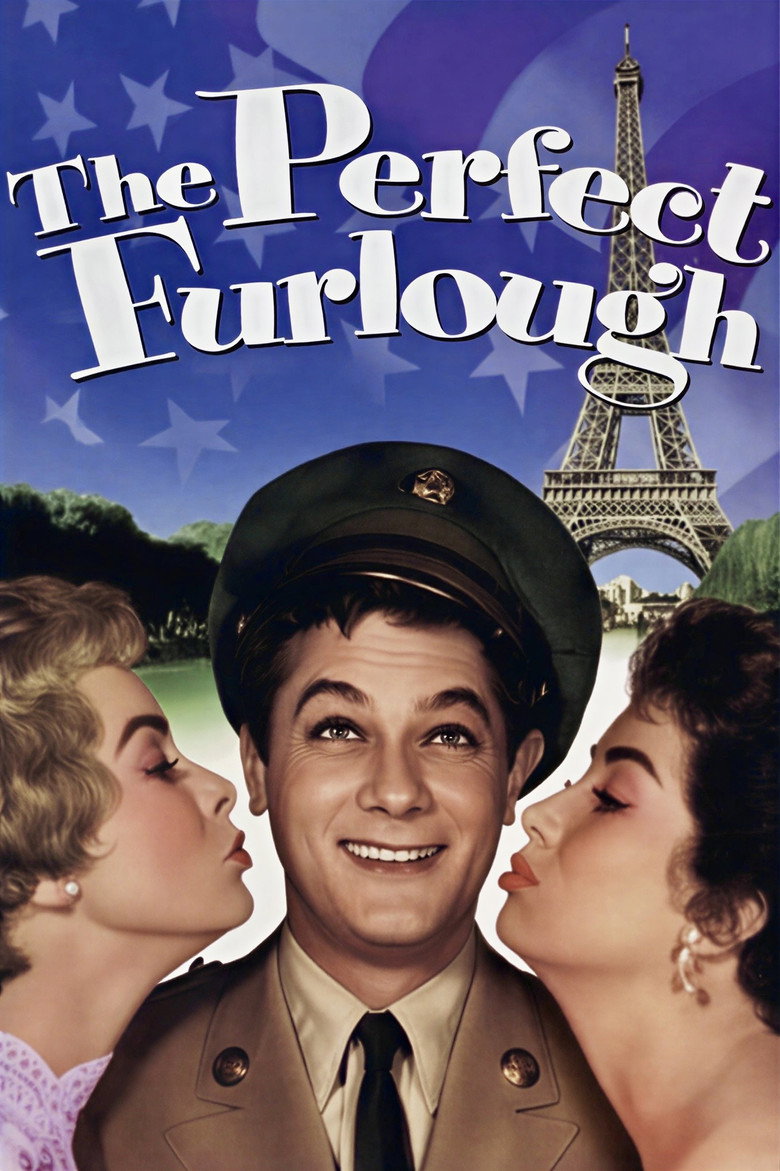
A love-starved soldier stationed at an Arctic base wins a furlough in Paris, but a pretty, no-nonsense military psychologist is ordered to accompany him as chaperone to keep him out of trouble.
Overall Score
Limited
Category Breakdown
LGBTQ+ Representation
The film follows a heteronormative romantic trajectory centered on a soldier and a female psychologist. There is no evidence of non-cisnormative identities or critiques of traditional romantic structures.
Gender Representation
A no-nonsense military psychologist provides a potential subversion of passive female roles through her professional authority. However, the chaperone trope often serves to reinforce social order rather than dismantle hierarchies.
Racial & Ethnic Diversity
The narrative likely reflects the era's tendency toward homogeneous casting. Without evidence of a diverse ensemble, the film appears to adhere to standard Western-centric casting norms of 1958.
Religious & Cultural Diversity
The story utilizes a Western travelogue structure moving from the Arctic to Paris. It emphasizes institutional stability and social propriety rather than challenging Western-centric social expectations.
Disability Representation
The synopsis contains no mention of characters with physical, sensory, or neurodivergent disabilities. No representation is present in this category.
Strengths
Areas for Improvement
AI Analysis
The film operates within the traditional social and narrative frameworks of the late 1950s. It relies heavily on established tropes, such as the chaperone, to drive its romantic comedy plot. While the inclusion of a professional female character offers a slight departure from purely domestic roles, the work remains anchored in conventional hierarchies. The focus on military discipline and institutional oversight suggests a preference for social stability over systemic subversion. Ultimately, the film reflects the era's standard approach to romance and gender, prioritizing heteronormative arcs and Western-centric perspectives.
1954

1956
1955

1966

1952
1954

1947
1948

1946
1948
1965
1948
No reviews yet. Be the first to share your thoughts on this movie!
Use the rating form above to leave a star rating and optional review.