
Her Bridal Night
1956
No user ratings available yet
Diversity score: 3.6 out of 10

1956
Not RatedDirector
Michel Boisrond
Runtime
86 minutes
Average Rating
No ratings yetSynopsis
Accused of dealing in counterfeit, Paul entrusts his daughter Brigitte to the care of a friend, Jean Clary. The girl, a walking catastrophe, finally wins Jean's heart. They unmask the forgers, clearing Paul's name and can now concentrate on their love.
Overall Score
Limited
Category Breakdown
LGBTQ+ Representation
The film follows a traditional romantic structure centered on a male protagonist and his fiancée. There are no queer narratives or non-cisnormative identities present in the story.
Gender Representation
A female character drives the plot through her charm and sexuality. While she possesses high agency, her role aligns with mid-century tropes of the 'sex-kitten' archetype.
Racial & Ethnic Diversity
Set in Paris, the film appears to reflect the demographic homogeneity of 1950s French cinema. The narrative lacks evidence of a diverse or multi-ethnic ensemble.
Religious & Cultural Diversity
The story leans into the comedy of manners tradition, focusing on social escapism and crime. It reinforces established social structures rather than offering a critique.
Disability Representation
The narrative contains no information regarding characters with physical, sensory, or neurodivergent disabilities.
Strengths
Areas for Improvement
AI Analysis
This mid-century romantic comedy operates within the standard heteronormative and Eurocentric frameworks of 1956 France. The plot relies on traditional social hierarchies and genre tropes common to the era. While the female lead provides a disruption to the male protagonist's stability, her agency is largely defined by her sexuality. This prevents the film from achieving significant gender subversion. The lack of intersectional complexity or diverse casting keeps the film firmly rooted in the period's conventional social norms.
1956
1966

1964
1955
1958
1954
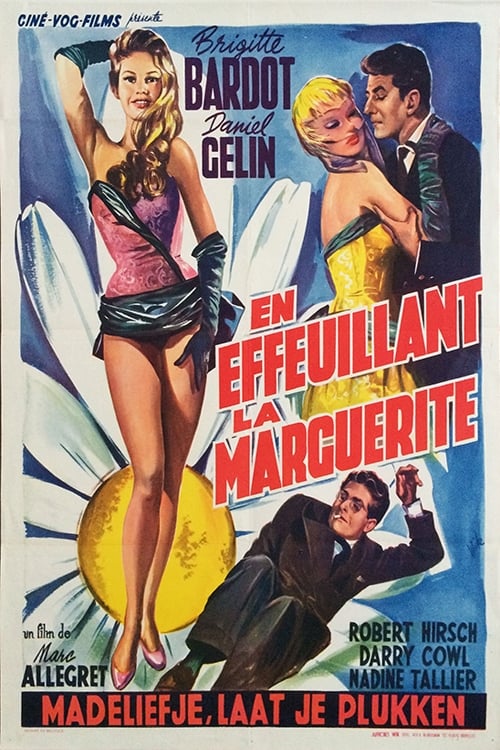
1956

1948
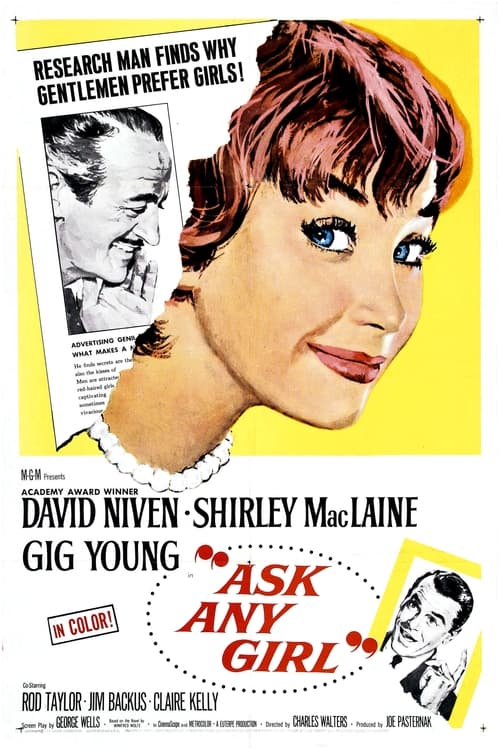
1959
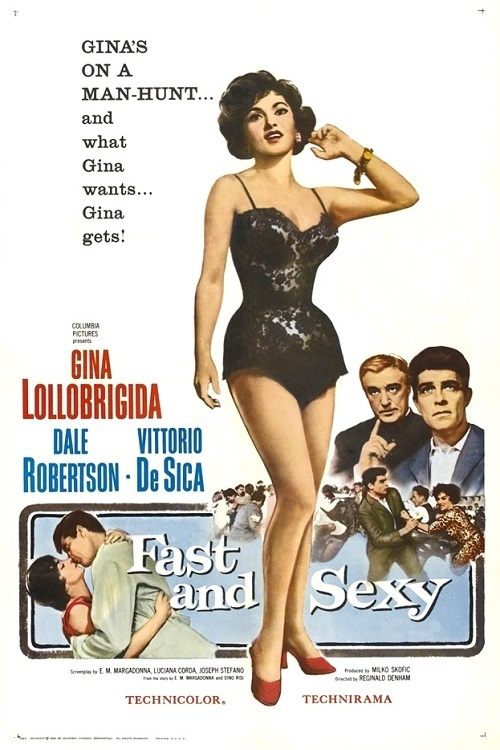
1958
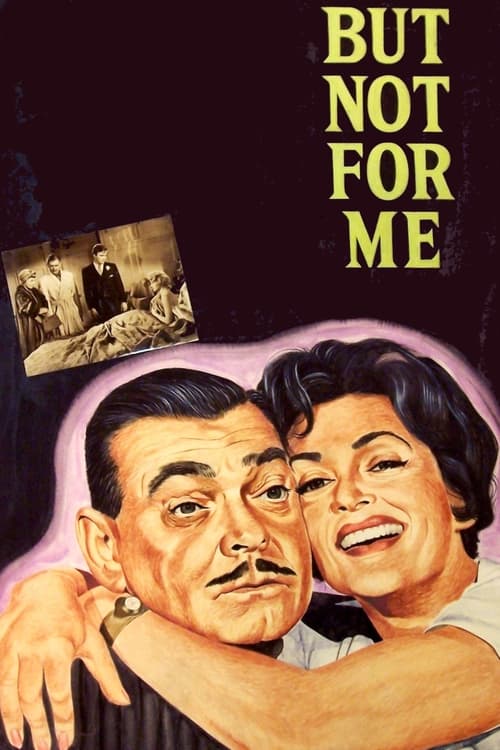
1959
1952
No reviews yet. Be the first to share your thoughts on this movie!
Use the rating form above to leave a star rating and optional review.