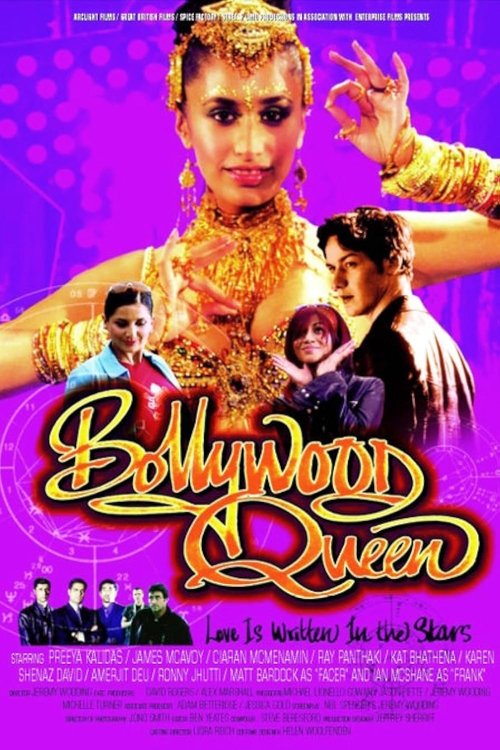
Bollywood Queen
2002
No user ratings available yet
Diversity score: 6.3 out of 10
2000
Director
J. P. Dutta
Runtime
207 minutes
Average Rating
No ratings yetSynopsis
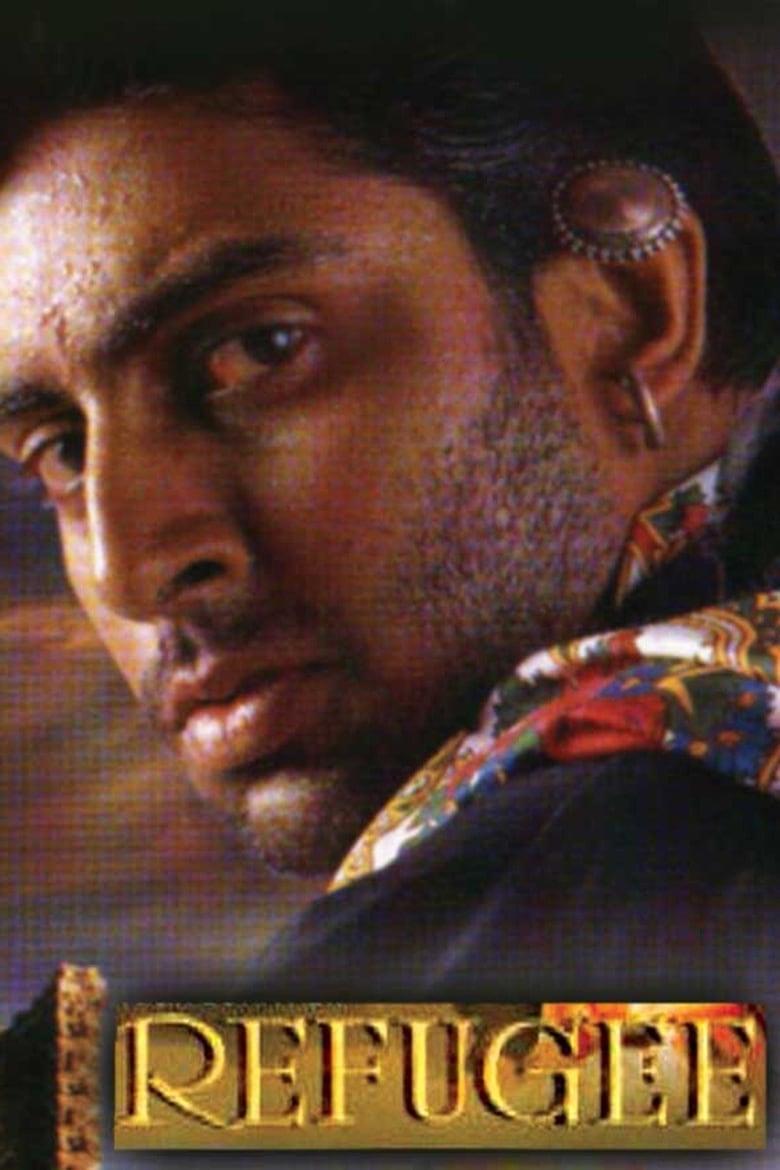
The films tells the story of an un-named Indian Muslim, who helps illegal refugees from both India and Pakistan to cross the border through the Great Rann of Kutch. The film is attributed to have been inspired by the short story "Love Across the Salt Desert" by Keki N. Daruwalla.
Overall Score
Fair
Category Breakdown
LGBTQ+ Representation
The film lacks LGBTQ+ characters or narratives. The romantic elements follow traditional structures centered on the two displaced protagonists.
Gender Representation
The female protagonist demonstrates significant emotional resilience and agency during her struggle for survival. While following some era-specific tropes, she remains a central figure in the journey.
Racial & Ethnic Diversity
The film excels by focusing on Bengali and Pakistani ethnic identities. It uses an unnamed Indian Muslim character to highlight the complexities of religious identity and statelessness.
Religious & Cultural Diversity
The narrative critiques rigid borders and nation-state structures through a humanitarian lens. It emphasizes the shared human cost of conflict over sectarian or religious divisions.
Disability Representation
There are no prominent depictions of physical or neurodivergent disabilities driving the narrative.
Strengths
Areas for Improvement
AI Analysis
Refugee is a poignant exploration of human displacement that prioritizes humanitarian survival over nationalist allegiances. It succeeds by centering marginalized, displaced ethnic identities and challenging the homogeneity of mainstream cinema. The film's strength lies in its post-colonial perspective, deconstructing the concept of borders as sources of suffering. However, it remains limited by a lack of LGBTQ+ representation and adherence to traditional gender tropes. Ultimately, the film provides a significant progressive framework by focusing on the systemic victimization of refugees and the intersection of religious identity with statelessness.
No reviews yet. Be the first to share your thoughts on this movie!
Use the rating form above to leave a star rating and optional review.