
Going Places
1974
No user ratings available yet
Diversity score: 5.9 out of 10
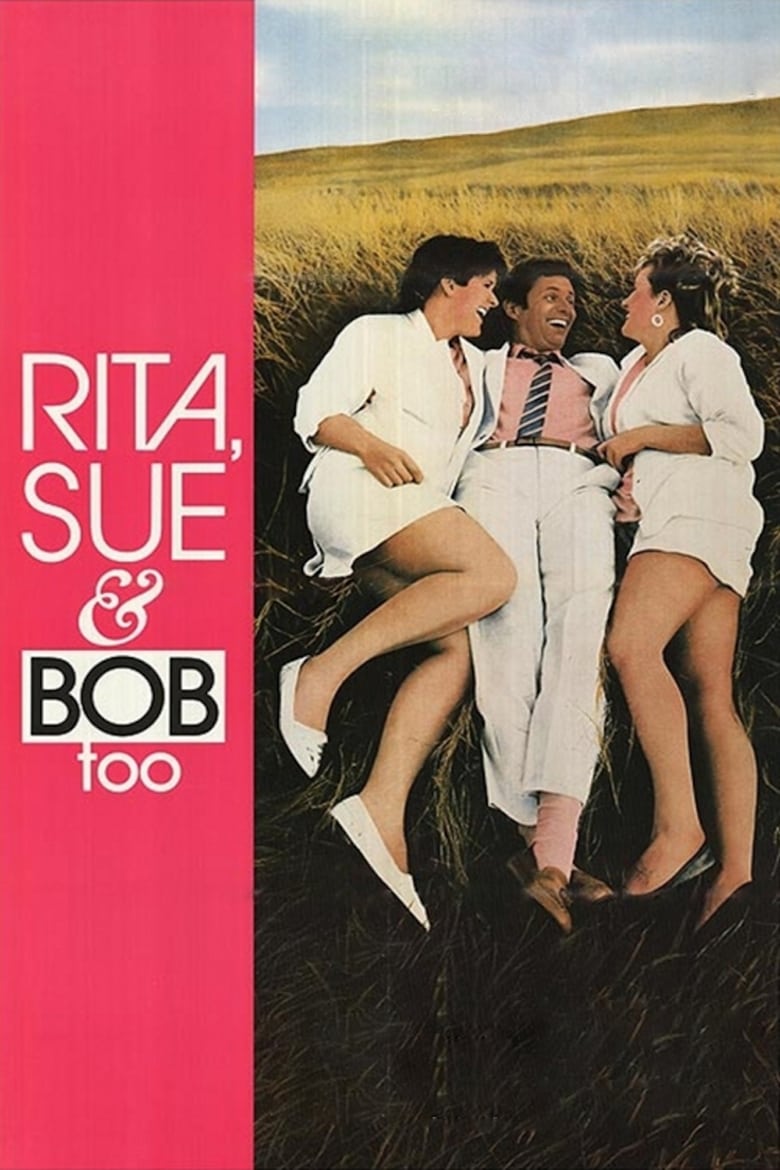
1987
RDirector
Alan Clarke
Runtime
94 minutes
Average Rating
No ratings yetSynopsis
On a run-down Bradford council estate, teenagers Rita and Sue both share a job babysitting for Bob and Michelle's children. On the way home one night, Bob takes Rita and Sue up to a deserted, countryside landscape. Knowing what he has in mind, the girls are only too happy to oblige and both have a sexual encounter with him that becomes a regular occurrence.
Overall Score
Fair
Category Breakdown
LGBTQ+ Representation
The narrative focuses on heteronormative sexual experimentation. It lacks non-cisnormative identities or explicit queer critiques of heteronormativity.
Gender Representation
Rita and Sue exercise significant agency and sexual autonomy. They subvert traditional feminine decorum by navigating encounters with pragmatic intent rather than passive victimhood.
Racial & Ethnic Diversity
The film is a localized study of the British working class in Thatcher-era Bradford. It lacks racial breadth but avoids relying on ethnic stereotypes.
Religious & Cultural Diversity
The film critiques Western institutions by depicting council estates as sites of stagnation. It presents anti-social behaviors as logical responses to a fractured social contract.
Disability Representation
There is no significant evidence of characters utilizing visible or invisible disabilities as central plot points or identity markers.
Strengths
Areas for Improvement
AI Analysis
Alan Clarke’s work provides a gritty, unvarnished look at the economically marginalized. By prioritizing lived experience over moralizing, the film challenges conventional cinematic comfort and traditional social hierarchies. The film excels in its cultural critique and its refusal to condemn unconventional social behaviors. It treats the characters' actions as reflections of environmental necessity rather than individual moral failings. However, the film remains narrow in its demographic scope. It lacks significant LGBTQ+ or racial diversity, focusing instead on a specific socioeconomic and heteronormative context.
1974

2019

1975
1970
1993
1971
1973

1970

1972
1989

1995

2013
No reviews yet. Be the first to share your thoughts on this movie!
Use the rating form above to leave a star rating and optional review.