
Luv Ka The End
2011
No user ratings available yet
Representation score: 2.2 out of 10
Representation Score
Fair
2013
Director
Ravi Jadhav
Runtime
109 minutes
Average Rating
No ratings yetNew Showbiz Analysis
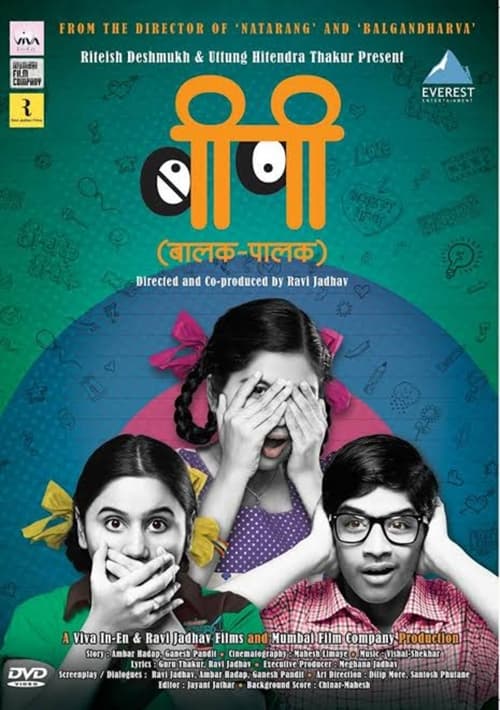
Balak Palak is a coming-of-age story that uses the curiosity of adolescents to challenge social stigmas. By framing the investigation of a neighbor's 'disgrace' as a quest for knowledge, the film questions the sanctity of community honor and traditional morality. The film stands out by dismantling conservative social structures. It replaces the typical cliché of childhood innocence with a pursuit of intellectual and social liberation, using the character Vishu to guide the protagonists toward secular enlightenment. While the film is progressive in its thematic approach to sexuality and authority, it lacks explicit representation of LGBTQ+ identities or characters with disabilities. It remains a culturally specific study of Indian social norms.
Category Breakdown
The film touches on themes of social disgrace and sexual taboos, creating a framework that could be open to non-traditional identities. However, there are no explicit LGBTQ+ characters shown on screen.
The narrative challenges traditional gender hierarchies by focusing on female empowerment and autonomy. It critiques patriarchal standards through the character of Jyoti tai and encourages young protagonists to question adult authority.
As a regional Indian production, the film presents a localized view of community life. It offers culturally specific representation without evidence of systemic exclusion or harmful stereotypes.
The film emphasizes secular curiosity over traditional moralism. It portrays parental authority as potentially repressive and frames the exploration of sexuality as a path to true understanding.
There are no characters with visible or invisible disabilities mentioned in the narrative.
Present on Screen
Limited or Absent
Official Synopsis
BP is about four teenage friends (Avya, Bhagya, Chiu and Dolly), who over hear that, a friend, a resident of their colony, Jyoti tai, has left their colony, as she has brought disgrace to her family. Having received unsatisfactory explanations from their parents for Jyoti tai's exit. It becomes imperative to find out what exactly was her disgraceful act. Kids decide to take up this challenge. In this journey to discover, they end-up bonding little too much with their over mature school-mate 'Vishu', the guiding star for the foursome. He enlightens them by throwing his divine light upon blue films. He feels, one has to read, watch, and if need be, perform to understand the true meaning of life (read SEX).
2011
1980

2005

2000

1972

2009

2013
2021
No reviews yet. Be the first to share your thoughts on this movie!
Use the rating form above to leave a star rating and optional review.