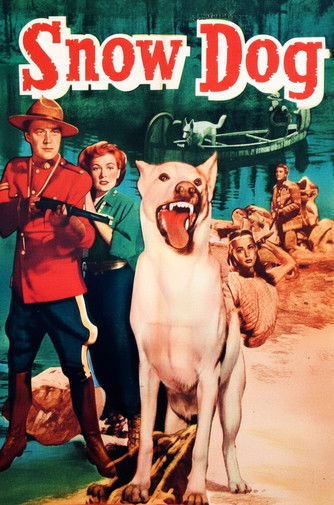
Snow Dog
1950
No user ratings available yet
Representation score: 0.2 out of 10
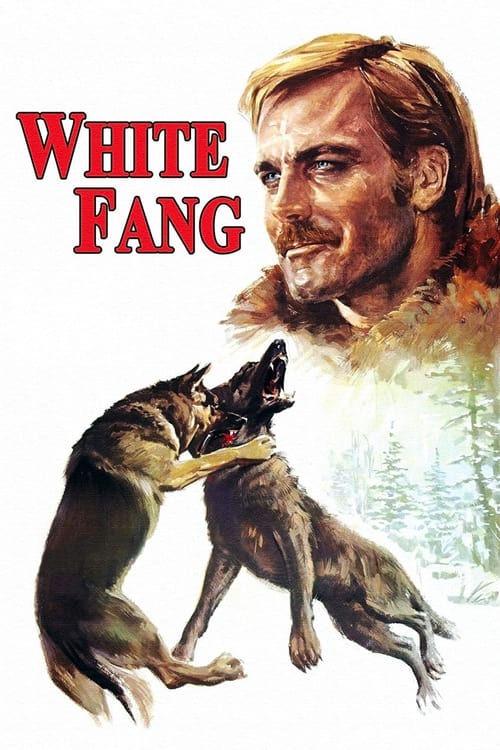
Representation Score
Limited
1973
PGDirector
Lucio Fulci
Runtime
102 minutes
Average Rating
No ratings yetNew Showbiz Analysis
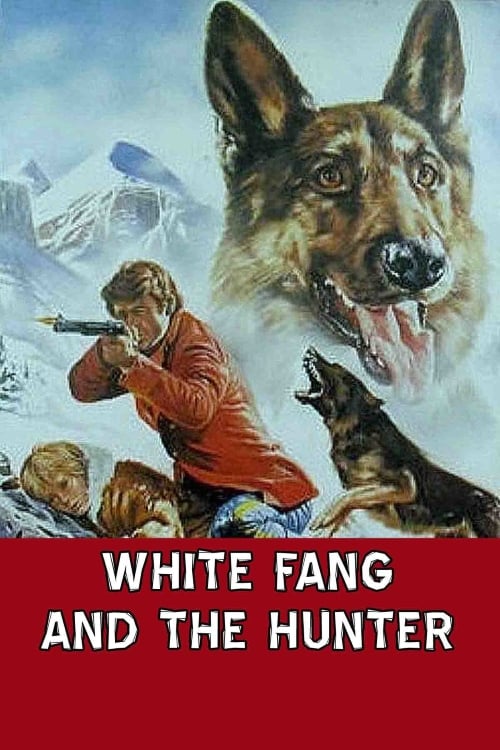
Lucio Fulci’s adaptation of *White Fang* is a traditional survival adventure set during the Klondike Gold Rush. The film highlights the relationship between humans and nature, focusing on instinctual bonds rather than exploring complex social hierarchies or identity dynamics. The story structure relies on conventional frontier clichés, emphasizing masculine competence and the struggle against a harsh environment. It does not engage with contemporary sociopolitical issues or the deconstruction of societal norms. Overall, the film adheres to a classic mid-century adventure format, emphasizing the raw experience of the wilderness and the conflict between civilization and nature.
Category Breakdown
The film does not depict any non-binary or LGBTQ+ identities, and there are no scenes showing same-sex intimacy. Relationships in the film follow traditional patterns.
The story centers around male characters, particularly hunters and trappers. Female characters, such as a nun, play supporting roles without significantly influencing the plot.
The cast is mostly white, reflecting the historical period. An Eskimo boy and his father add local ethnic representation but fit within traditional frontier roles.
The film follows typical Western adventure themes, emphasizing individual struggle and survival against nature. It does not critique the impact of Western expansion or institutions.
The film does not show any meaningful representations of physical or cognitive disabilities. Characters are primarily defined by their physical abilities and survival skills.
Present on Screen
Limited or Absent
Official Synopsis
The wolf dog, White Fang, aids a reporter, a fur trapper, a nun, a young Eskimo boy and his father of ridding a gold mining town of a sleazy crime lord in 1896 Yukon, Canada.
1950
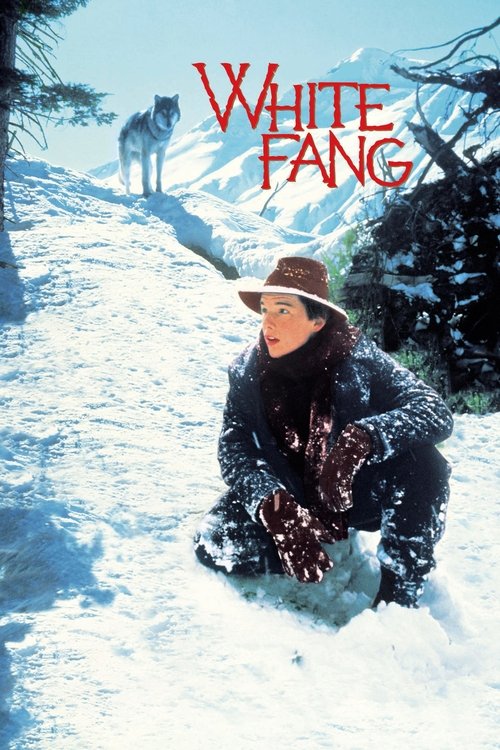
1991
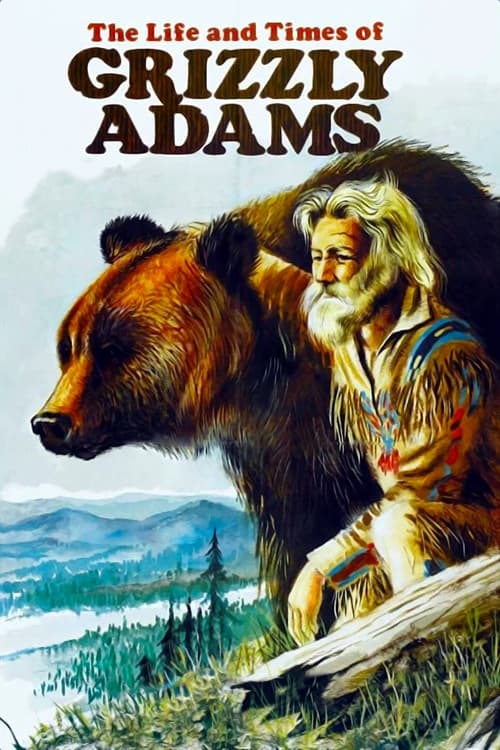
1974
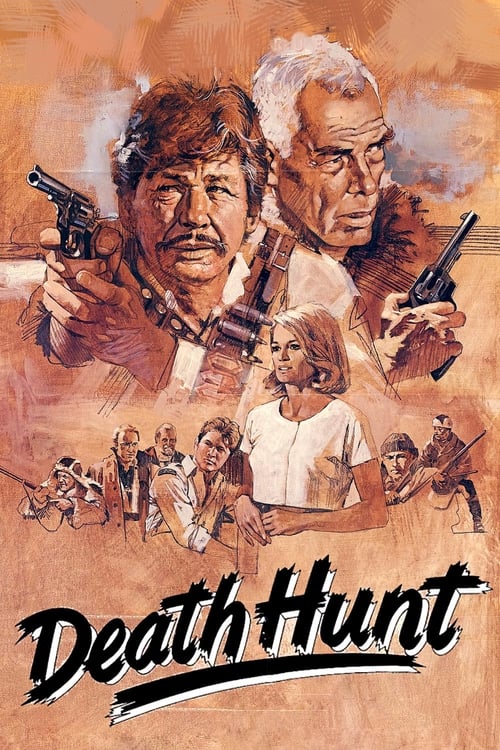
1981
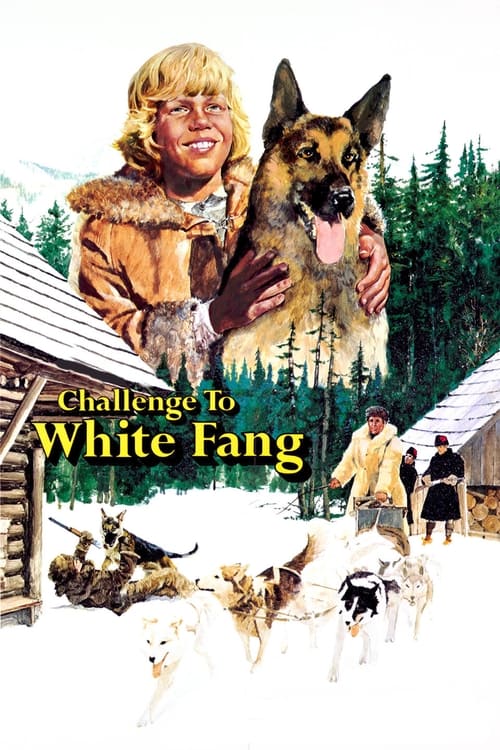
1974
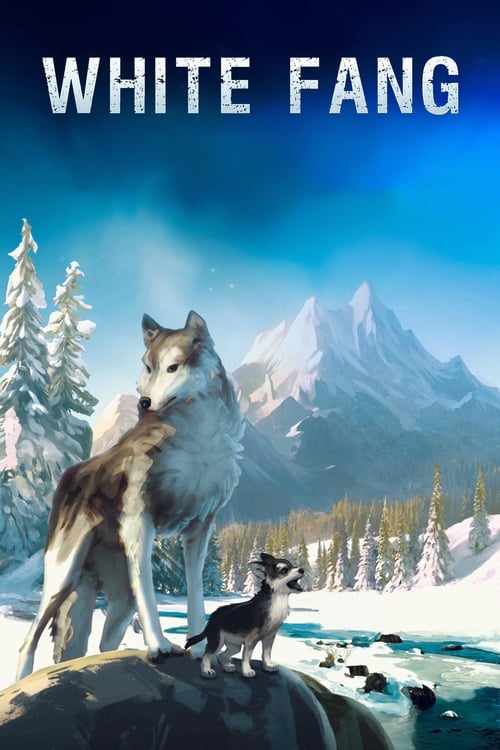
2018
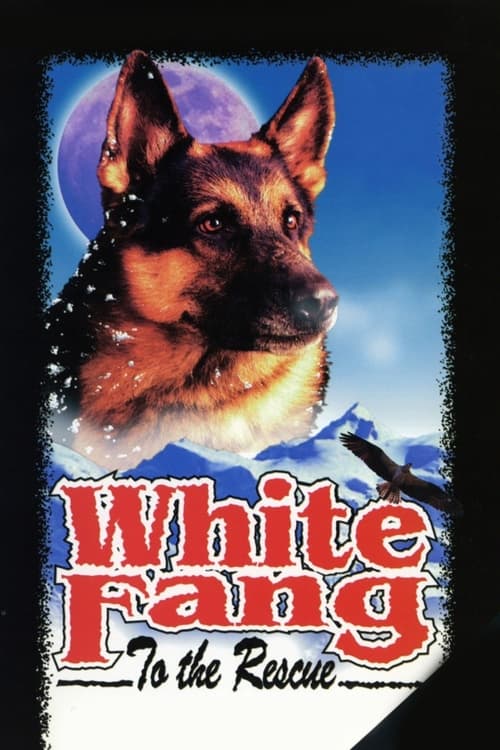
1975
1975
No reviews yet. Be the first to share your thoughts on this movie!
Use the rating form above to leave a star rating and optional review.