A Charlie Brown Celebration
1982
No user ratings available yet
Representation score: 5.3 out of 10
Representation Score
Limited
1971
Not RatedDirector
Bill Melendez
Runtime
24 minutes
Average Rating
No ratings yetNew Showbiz Analysis
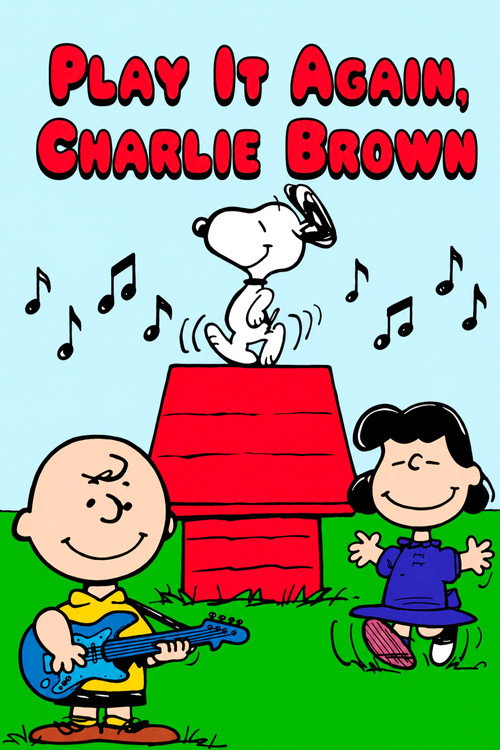
Play It Again, Charlie Brown is a character-driven film set in a traditional, mid-century American social context. While it avoids critiquing societal systems, it delves into the psychological intricacies of its young characters. One of the film's strengths lies in its subversion of traditional gender roles. Lucy's assertive personality challenges the stereotype of passive females, offering a more active female presence compared to many contemporary animations. However, the film remains limited by its homogeneity. The absence of racial diversity and the lack of LGBTQ+ themes make the narrative feel culturally narrow and less diverse.
Category Breakdown
The film does not include any LGBTQ+ characters or explore non-straight relationships. The interpersonal dynamics revolve around typical childhood friendships and social hierarchies.
Lucy van Pelt presents a nuanced portrayal that disrupts traditional gender roles. Her assertive behavior and pursuit of Schroeder challenge the stereotype of passive females.
The cast is predominantly white, reflecting a homogeneous, Anglo-centric aesthetic typical of the franchise. There is a noticeable absence of racial or ethnic diversity among the characters.
The special is set within a conventional middle-class context. It avoids criticizing Western institutions, focusing instead on stable social structures like family and school.
The narrative centers on the psychological struggles of characters like Charlie Brown. However, these internal issues are treated humorously rather than explored as disabilities.
Present on Screen
Limited or Absent
Official Synopsis
Through Lucy's meddling, Schroeder, the gifted pianist, is booked to play his toy piano for the P.T.A., though the audience may be expecting a rock concert from a boy who is strictly a Beethoven fan.
1982

1977

1972
1969
1978
1980
2002
1972
No reviews yet. Be the first to share your thoughts on this movie!
Use the rating form above to leave a star rating and optional review.