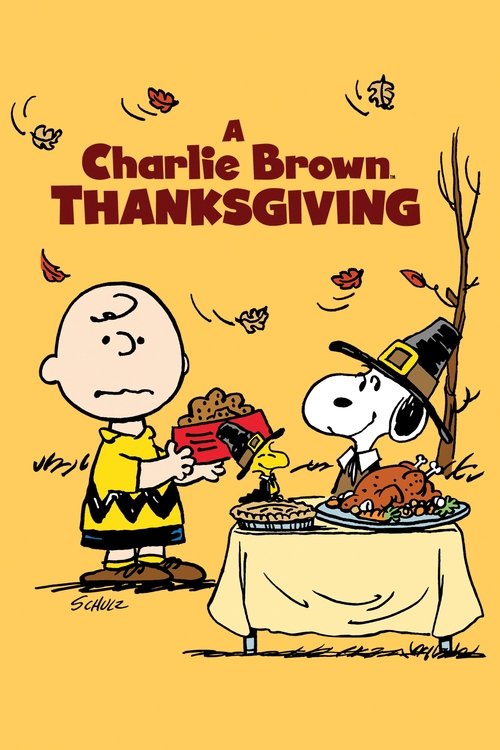
A Charlie Brown Thanksgiving
1973
No user ratings available yet
Representation score: 2.4 out of 10
Representation Score
Fair
1969
GDirector
Bill Melendez
Runtime
86 minutes
Average Rating
No ratings yetNew Showbiz Analysis
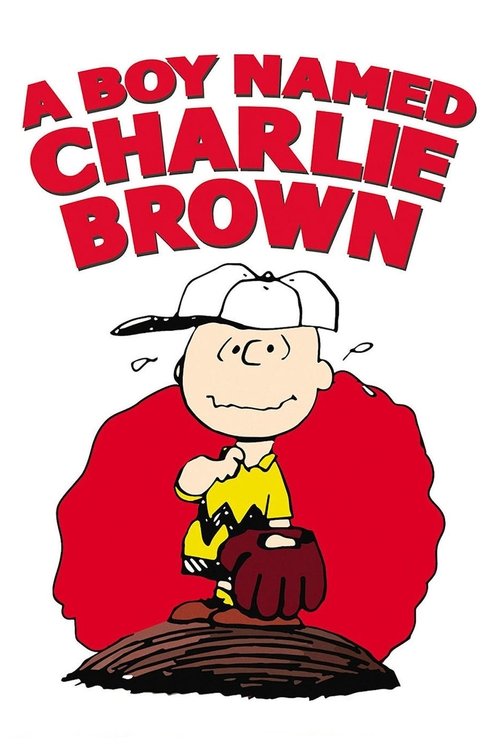
A Boy Named Charlie Brown successfully challenges traditional gender roles by showcasing strong, dominant female characters. The film delves into complex psychological themes, focusing on internal struggles and mental health issues. However, the film falls short in terms of racial and LGBTQ+ diversity, maintaining a homogeneous suburban setting. While it provides a nuanced view of social anxiety, it does not fully address broader multi-layered issues.
Category Breakdown
The film does not include any LGBTQ+ characters or explore non-traditional sexual orientations or gender identities. The social dynamics revolve around typical childhood friendships.
Female characters play prominent roles, showing strong personalities and often outshining their male counterparts. Lucy van Pelt is a key driver of the plot due to her intelligence and assertiveness.
The cast is primarily made up of characters from a single racial background, representing a typical suburban American setting. There is no visible racial diversity or intentional inclusion of different backgrounds.
The story emphasizes psychological and secular solutions rather than religious ones. It gently challenges the idealized child cliché through humor and unconventional behavior.
The film offers a detailed look at social anxiety and existential issues through Charlie Brown’s character. His neurodivergence and mental health struggles are central to the narrative.
Present on Screen
Limited or Absent
Official Synopsis
Poor Charlie Brown. He can't fly a kite, and he always loses in baseball. Having his faults projected onto a screen by Lucy doesn't help him much either. Against the sage advice and taunting of the girls in his class, he volunteers for the class spelling bee.
1973
1972
1965

1977
2015
1981
1966
1941
No reviews yet. Be the first to share your thoughts on this movie!
Use the rating form above to leave a star rating and optional review.