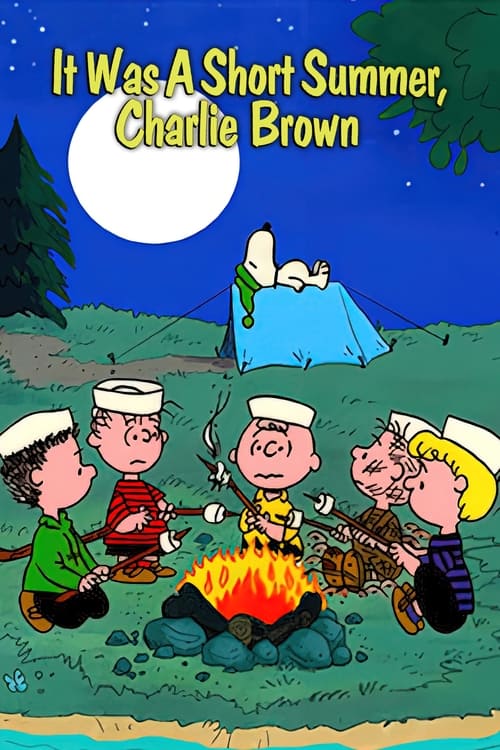
It Was a Short Summer, Charlie Brown
1969
No user ratings available yet
Representation score: 2.1 out of 10

Representation Score
Limited
1997
Director
Bill Melendez
Runtime
25 minutes
Average Rating
No ratings yetNew Showbiz Analysis
This production preserves the classic Peanuts aesthetic in a conservative manner. It prioritizes sentimentalism and thematic continuity over progressive representation or disruption of social hierarchies. The narrative structure reinforces established norms by focusing on predictable childhood archetypes, avoiding multi-layered complexity in favor of a homogeneous social environment. Ultimately, the work serves as a traditionalist piece of storytelling, maintaining the franchise's historical status quo without introducing diverse perspectives or modern social nuances.
Category Breakdown
There are no LGBTQ+ characters or themes in the film. The interpersonal dynamics revolve around typical childhood friendships and heterosexual relationships.
Gender roles adhere to traditional, predictable social scripts common in mid-century animation. The storyline centers on Linus's emotional vulnerability without challenging established gender norms.
The cast reflects a historically homogeneous demographic. The suburban setting lacks racial or ethnic diversity, reinforcing a traditional, predominantly white social baseline.
The narrative promotes conventional social cohesion and community through a singular moral perspective. It upholds the stability of standard social structures without critique.
Social anxiety is portrayed as a universal childhood experience. The film does not specifically address neurodivergence or characters with visible or invisible disabilities.
Present on Screen
Limited or Absent
Official Synopsis
Linus is planning a birthday party. While trying out his new in-line skates in the neighborhood park, he meets a nice little girl with a beautiful singing voice. Linus invites his new friend to the party. The party should be wonderful, but Linus will only be satisfied if the little girl attends. He is completely smitten!
1969

1977

1994
1980
1967
1969
2002
1972
No reviews yet. Be the first to share your thoughts on this movie!
Use the rating form above to leave a star rating and optional review.