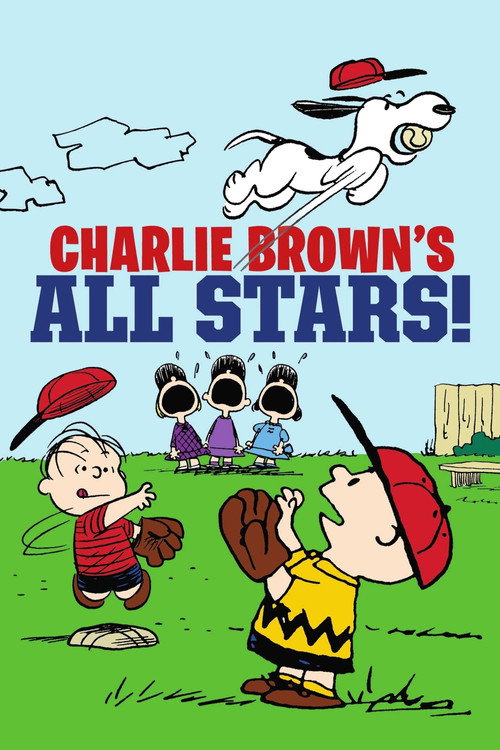
Charlie Brown's All-Stars!
1966
No user ratings available yet
Representation score: 2.3 out of 10
Representation Score
Limited
1969
GDirector
Bill Melendez
Runtime
24 minutes
Average Rating
No ratings yetNew Showbiz Analysis
This special exemplifies traditionalist mid-century animation, prioritizing a stable, conventional social order that reinforces established norms. While the film slightly challenges gendered competence by allowing female characters to exercise dominance, this remains localized to specific character traits. The work lacks the multi-layered complexity required for a higher rating. The narrative remains firmly rooted in a homogeneous cultural framework, providing a narrow demographic lens that lacks racial, cultural, or disability-related depth.
Category Breakdown
The film follows the assuming gender matches what was assigned at birth and straight-centered social structures of the late 1960s, with no depiction of non-assuming gender matches what was assigned at birth identities or same-sex intimacy.
Female characters like Lucy play a significant role in driving the story, often outperforming the boys in physical competitions. These dynamics are framed as childhood social friction rather than a systemic critique.
The cast is a homogeneous group lacking visible racial or ethnic diversity. The setting reflects a traditional, mid-century Western social norm.
The narrative reinforces a stable, conventional social order focused on childhood leisure. It lacks engagement with diverse cultural themes or the deconstruction of Western institutions.
There is no discernible representation of physical, sensory, or neurodivergent disabilities. Characters are depicted through a standard lens of childhood development.
Present on Screen
Limited or Absent
Official Synopsis
At camp, the boys find themselves consistently losing games to the girls. But their fortunes may change when Snoopy assumes the role of The Masked Marvel, potentially turning the tide in their favor.
1966

1977

1994
1969
1980
1980
2003
1973
No reviews yet. Be the first to share your thoughts on this movie!
Use the rating form above to leave a star rating and optional review.