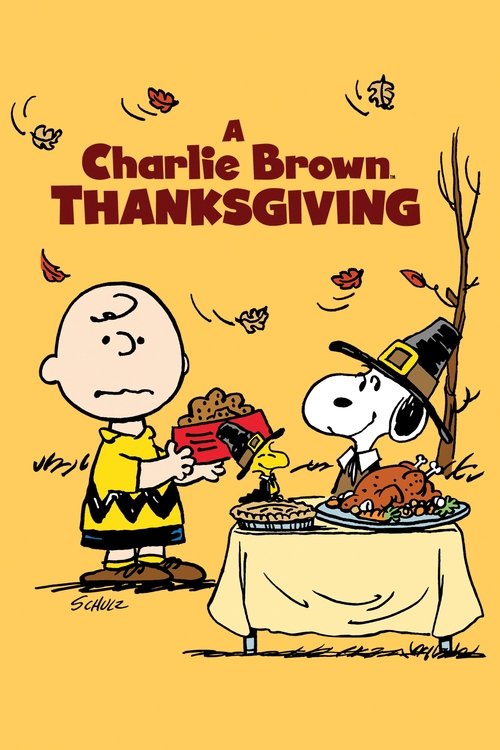
A Charlie Brown Thanksgiving
1973
No user ratings available yet
Representation score: 2.4 out of 10

Representation Score
Fair
1965
TV-GDirector
Bill Melendez
Runtime
25 minutes
Average Rating
No ratings yetNew Showbiz Analysis
A Charlie Brown Christmas is a thematic study of childhood alienation and the tension between commercialism and sincerity. It prioritizes psychological realism over demographic diversity, offering a sophisticated critique of mid-century consumer culture. While the film lacks diverse representation regarding race and orientation, it disrupts holiday norms. The portrayal of Charlie Brown's existential dread provides a level of emotional depth rarely seen in contemporary animation. Ultimately, the work is anchored in established Western spiritual institutions and traditional social structures, which limits its broader cultural inclusivity.
Category Breakdown
The film does not include any LGBTQ+ characters or non-cisgender identities. The interpersonal dynamics stay within the traditional heterosexual social structures of the 1960s.
Lucy subverts the typical passive female role by being a dominant, authoritative figure who drives the plot. However, the characters generally follow traditional social roles.
The cast is a homogeneous group within a suburban setting. There is no visible racial or ethnic diversity in the character designs or social environment.
The narrative effectively critiques Western capitalist consumerism. However, the resolution relies on a traditional religious framework rather than secular or moral relativist views.
Charlie Brown is shown with profound social alienation and anxiety. These traits are treated with narrative weight rather than as mere caricature.
Present on Screen
Limited or Absent
Official Synopsis
When Charlie Brown complains about the overwhelming materialism that he sees amongst everyone during the Christmas season, Lucy suggests that he become director of the school Christmas pageant. Charlie Brown accepts, but it is a frustrating struggle. When an attempt to restore the proper spirit with a forlorn little fir Christmas tree fails, he needs Linus' help to learn the meaning of Christmas.
1973
1969
1992
1974
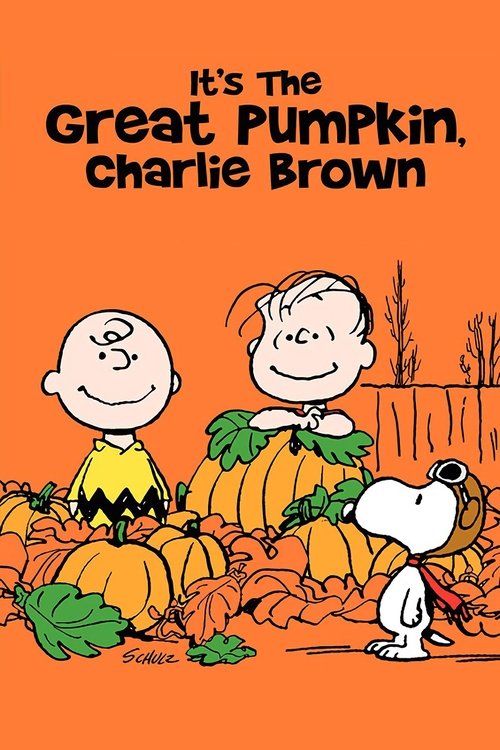
1966
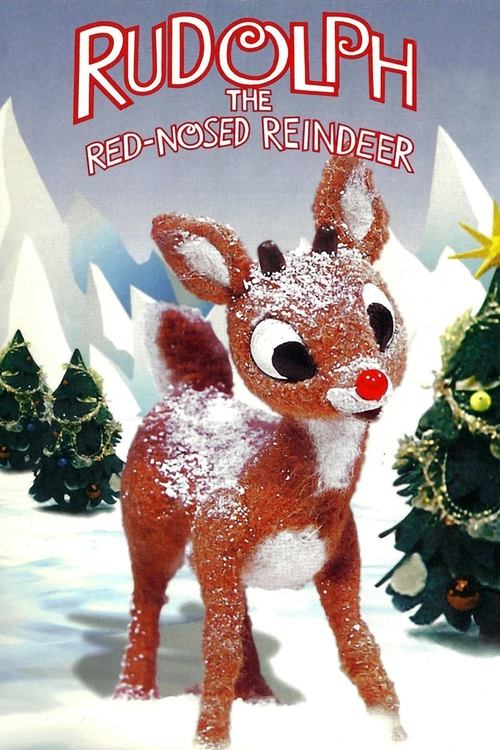
1964

1983
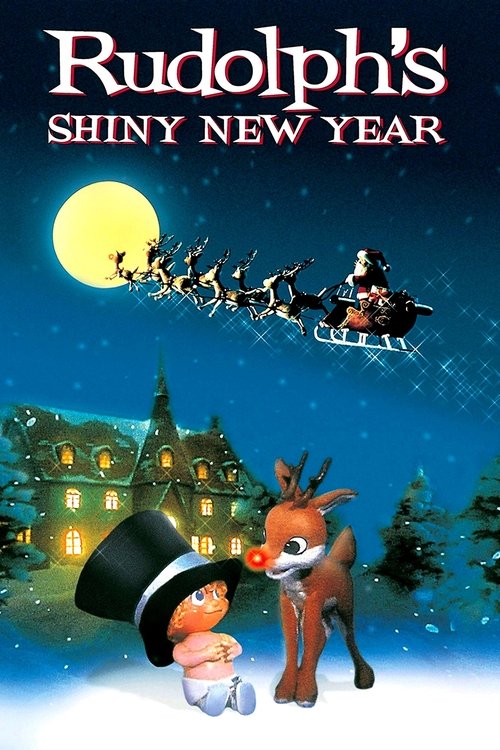
1976
No reviews yet. Be the first to share your thoughts on this movie!
Use the rating form above to leave a star rating and optional review.