
Gunsmoke Ranch
1937
No user ratings available yet
Representation score: 0.5 out of 10
Representation Score
Limited
1938
PassedDirector
Elmer Clifton
Runtime
55 minutes
Average Rating
No ratings yetNew Showbiz Analysis
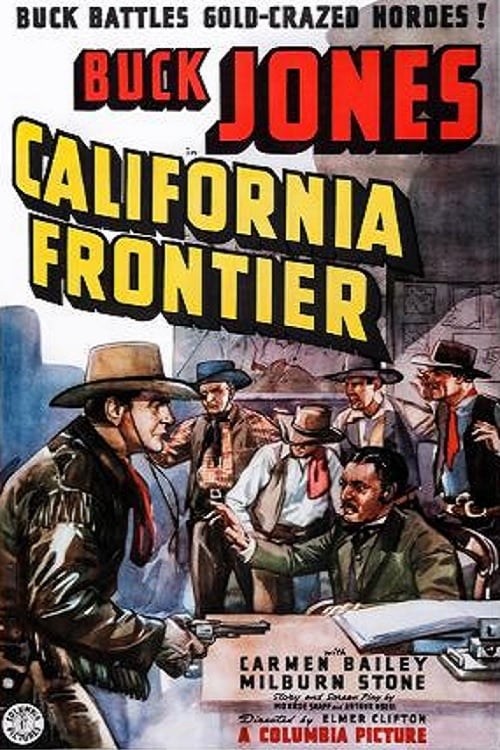
California Frontier is a product of its 1938 historical context, leaning heavily into established Western archetypes. The narrative focuses on male-driven conflict and land ownership disputes, limiting the scope of its social representation. While the film introduces ethnic tension through the struggle of Mexican characters against corrupt officials, it largely follows the period's conventional genre clichés. The presence of Juan Cantova as a central figure offers some ethnic depth, yet the film remains anchored in traditional hierarchies. Ultimately, the film functions as a standard genre piece. It addresses systemic dishonesty but does not move beyond the hero-versus-villain dichotomy typical of early Hollywood Westerns.
Category Breakdown
The film does not include any LGBTQ+ characters or narratives that challenge the assumption that everyone is straight. It follows traditional romantic structures common in 1930s Western cinema.
The plot is driven by male-centric conflicts involving Buck, Juan, and Halstead. Women play minor roles and seem to have limited influence within the narrative.
Mexican characters and land rights drive the central conflict. Juan Cantova serves as a key figure, offering moderate ethnic representation for the time.
The story explores systemic dishonesty through the Land Agent. However, it stays within standard frontier justice frameworks without broader cultural challenges.
There is no information regarding characters with visible or invisible disabilities in this production.
Present on Screen
Limited or Absent
Official Synopsis
Halstead forces the Land Agent to alter the records and then kicks the Mexicans off their land. Buck has been sent to investigate and quickly joins up with Juan Cantova in the fight against Halstead. To keep Buck from seeing the records, Halstead has the Agent murdered. His men then claim Juan killed him and both Buck and Juan then find themselves wanted dead or alive.
1937
1940
1939
1930
1938
1938
1945
1932
No reviews yet. Be the first to share your thoughts on this movie!
Use the rating form above to leave a star rating and optional review.