
Aftershock
2010
No user ratings available yet
Representation score: 5.3 out of 10
Representation Score
Good
2012
NRDirector
Feng Xiaogang
Runtime
145 minutes
Average Rating
No ratings yetNew Showbiz Analysis
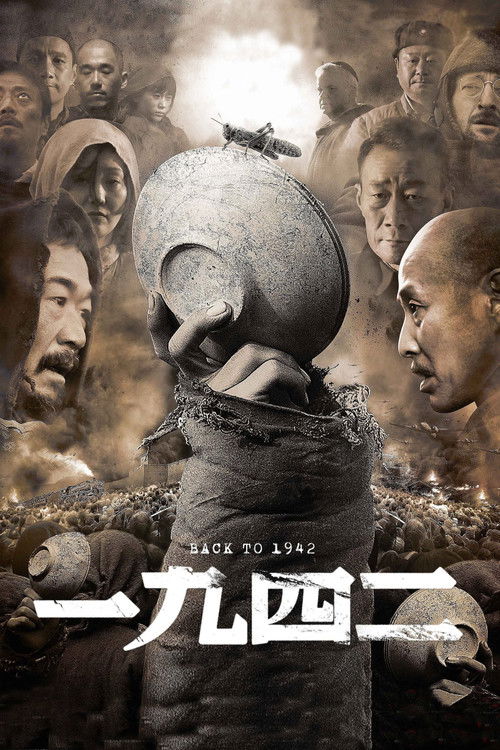
Back to 1942 is a visceral historical drama that prioritizes survival over modern identity politics. It deconstructs class hierarchies and criticizes institutional corruption that contributed to the Henan famine. The film uses the socioeconomic divide between the bourgeoisie and the peasantry to explore human rights. Despite lacking LGBTQ+ or neurodivergent representation, it offers a nuanced look at how systemic failure forces individuals into moral ambiguity. Ultimately, the film's strength lies in its portrayal of human resilience against a collapsing social order, using the physical toll of famine to highlight the scale of the tragedy.
Category Breakdown
There are no LGBTQ+ narratives or non-straight relationships in the film.
Women play a significant role in driving the story, navigating patriarchal constraints to secure resources and ensure their families' survival.
The cast is ethnically uniform, reflecting the historical Chinese setting. However, the film explores internal diversity through socioeconomic and class differences.
The narrative critiques the corrupt Kuomintang government, portraying traditional power structures as sources of systemic suffering and oppression.
Physical ailments and starvation are central to the realism, serving as markers of catastrophe rather than explorations of character's ability to drive the story.
Present on Screen
Limited or Absent
Official Synopsis
In 1942, Henan Province was devastated by one of the most tragic famines in modern Chinese history, resulting in the deaths of at least three million men, women and children. Although the primary cause of the famine was a severe drought, it was exacerbated by locusts, windstorms, earthquakes, epidemic disease and the corruption of the ruling Kuomintang government.
2010
1959

2017

2019

1997
1953
2009

2015
No reviews yet. Be the first to share your thoughts on this movie!
Use the rating form above to leave a star rating and optional review.